Most of the time, reality isn’t like the movies – especially political reality. In Hollywood, political characters are celebrated for their passion and eloquence, but that’s not how it works in Washington. At least not for Hillary Clinton. When Clinton was questioned about the attack on Benghazi by the Senate Foreign Relations Committee in 2013, she fought back and passionately defended her actions. If this were an Aaron Sorkin vehicle, Clinton would have been seen as a hero for standing up to the evil establishment. But Sorkin only writes Great Men, not Great Women, and Clinton was politically punished for her response. In the hearing’s most infamous moment, Clinton tried to expose the partisan intent of her questioners and exclaimed, “At this point, what difference does it make?” But it didn’t play well, and that clip – which, out of context, makes Clinton look insensitive and whiny – is currently playing on your TV in a series of GOP-created attack ads.
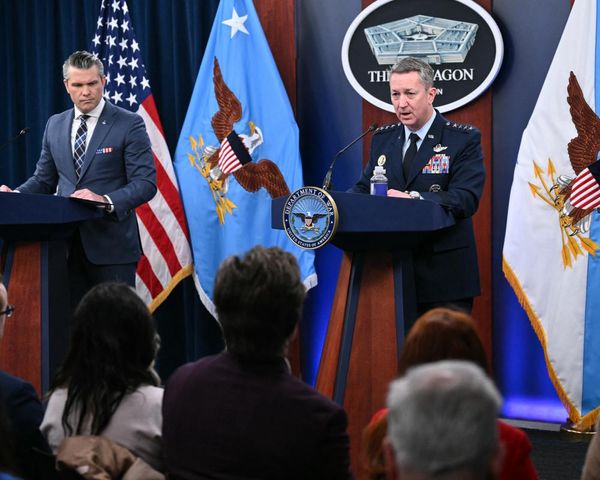
Unsurprisingly, Clinton tried a different approach when she appeared yesterday before a similar House committee. Instead of letting her emotions guide her, she opted for self-restraint, and apparently it worked. “Hillary Clinton triumphed at the Benghazi hearing by not losing her cool,” ran the Washington Post headline, and most political pundits agreed that Clinton appeared presidential, fending off the attacks of the Republican committee members with grace and quiet dignity. In other words, Sorkin wouldn’t have much use for her.
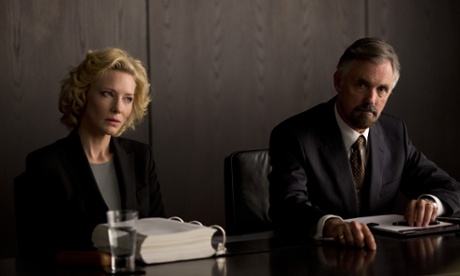
But yesterday’s hearing does bear a startling similarity to a scene from a movie currently in theatres: James Vanderbilt’s Truth, which depicts the 2004 controversy surrounding Dan Rather’s story on George W Bush’s military service. Surprisingly, Rather isn’t the lead character in Truth. Instead, the film focuses on his real-life producer Mary Mapes (Cate Blanchett), whose career was also destroyed by the political fall-out. In the film’s climactic scene, Mapes sits before an independent panel of conservative white men – the law firm is run by a former Bush ally – who aggressively question her in order to determine whether her political biases influenced the controversial story. Sounds familiar?
The film sets up this moment as a personal crossroads. Mapes, we learn, was abused by her father and, as a result, has a bit of a trigger with bullies, especially male ones. Her best shot at getting a favourable judgment from the all-male panel – as her lawyer instructs her – is not to fight back but to remain calm. To keep her cool. To be Clinton yesterday, not in 2013. In light of her personal trauma and the professional stakes, it’s about as challenging a task as she might ever face.
Yet, given that these nearly identical scenes have now played out both onscreen and off in the last few days, it’s hard not to draw larger conclusions here. It’s worthwhile to look at this through a feminist lens. One of the biggest obstacles women in the workplace face is the prejudice that they are too emotional for positions with serious responsibilities. Just this month, rapper TI had to apologise after stating that he would not vote for Clinton because “women make rash decisions emotionally … and then later, it’s kind of like it didn’t happen, or they didn’t mean for it to happen.” Any woman who has ever sought a promotion – like Clinton is currently doing – will have unfortunately heard similar sentiments.
Truth reflects these realities, and although it has received mixed reviews, the film probably deserves more credit for how it mirrors the realities of women in the workplace. Even the most basic choice made by Vanderbilt reveals his feminist intent: he made this story not about Dan Rather but his female producer, whose name is unknown to virtually everyone outside the industry. Clearly, he intends to place his film in a feminist context, and in its final scene – when Mapes must decide whether to keep her emotions in check and succeed, or speak her truth and suffer the consequences – it becomes a literal representation of the problems working women still face today.
Clinton tried to speak her truth back in 2013, and it didn’t work, but it’s worth wondering if we would expect the same self-restraint from a man. There is a long line of male politicians who have won support based on their fiery, impassioned rhetoric, but as events both onscreen and off make disappointingly clear, women are still held to a different standard.