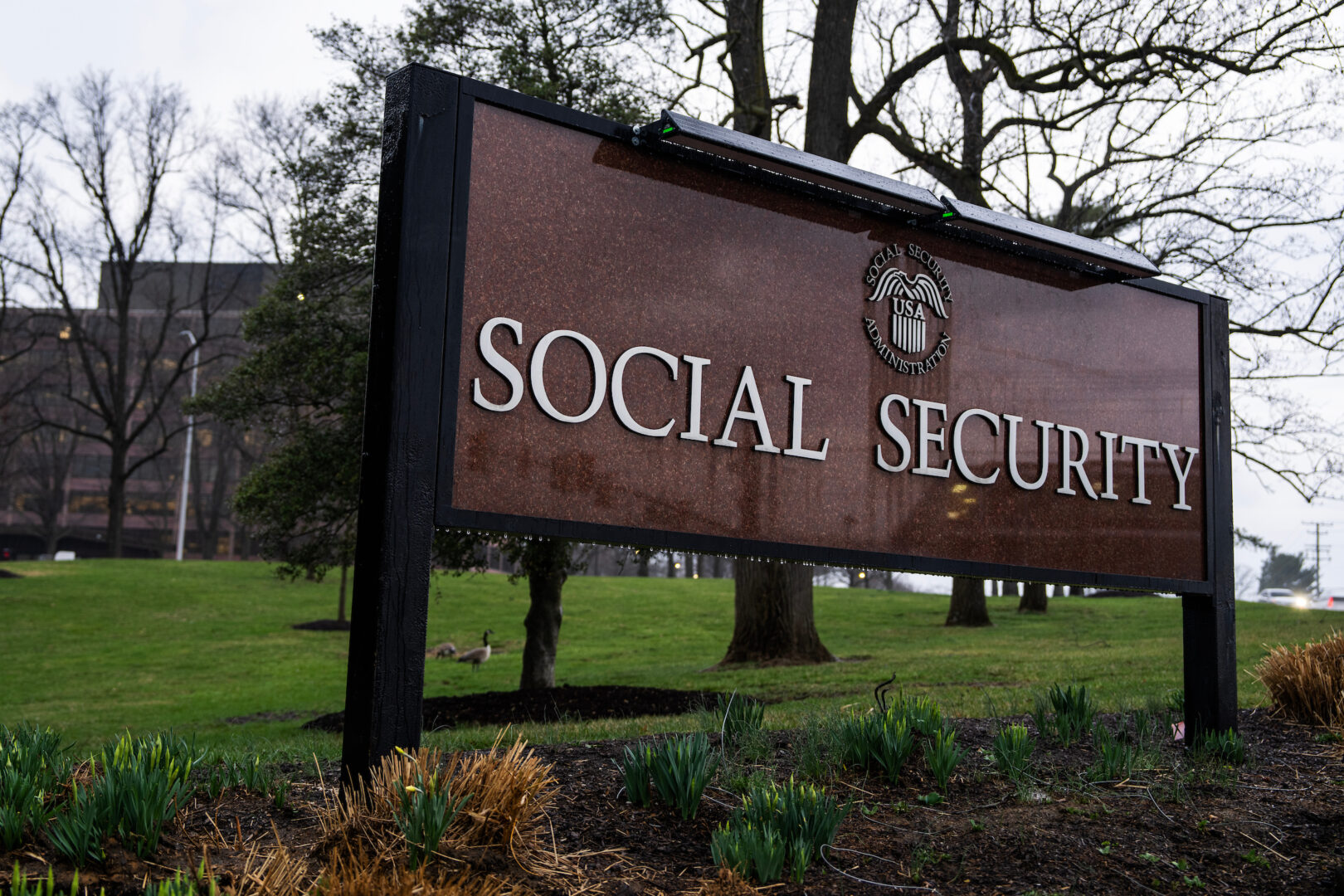
The financial health of Social Security and Medicare has worsened over the past year, with the programs’ trust funds expected to run dry three months sooner than anticipated, according to reports issued Tuesday by the programs’ trustees.
Without any changes, the main Social Security trust fund would be depleted in the fourth quarter of 2032, one quarter earlier than projected last year, the Social Security trustees said in their report.
Medicare’s hospital insurance trust fund would be depleted in the second quarter of 2033, which is likewise three months earlier than projected last year, the Medicare report said.
Under the latest projections from the Social Security trustees, Social Security retirement benefits will face a 22 percent cut six years from now, while Medicare hospital insurance benefits, which cover inpatient hospital care, will be cut by 11 percent in seven years.
By law, those cuts will take place unless Congress restructures the programs through higher taxes, benefit cuts, a combination of both, or borrows more money to sustain the programs.
In their annual report issued Tuesday, the trustees attributed the worsening financial picture to a variety of factors including fewer projected births and lower immigration, tax cuts and higher health care costs.
Overall, Social Security and Medicare spending has been growing faster than the economy as the programs’ costs exceed the revenue that supports the programs.
The trustees urged Congress to tackle the looming insolvency of the trust funds “in a timely way in order to phase in necessary changes gradually and give workers and beneficiaries time to adjust their expectations and behavior.”
As was the case in last year’s report, the Social Security Disability Insurance Trust Fund, which is separate from the Old-Age and Survivors Insurance fund, has plenty of life left. The trustees project it will be able to pay 100 percent of scheduled benefits through at least 2100, the last year of the projection period.
Analysts often group the OASI and disability trust funds together to get a sense of the overall picture. If the funds were combined, which would require legislation, there would be sufficient money to pay 100 percent of scheduled benefits until the third quarter of 2034, unchanged from last year’s report. After that, continuing income to the combined fund could pay 83 percent of scheduled benefits.
A second Medicare fund, the Supplementary Medical Insurance Trust Fund, covers physician costs, outpatient care and prescription drugs and is considered to be adequately financed into the future because its main financing sources are premiums paid by Medicare recipients and other federal revenue.
The Social Security trust funds and Medicare hospital trust fund are supported mainly by payroll taxes.
In an analysis of the worsening picture for Social Security, the trustees cited three factors. First, the assumed fertility rate was lowered from 1.9 children per woman to 1.75 children per woman. Second, estimates of future immigration to the United States are down. In both cases, that means fewer workers, less taxes paid and a smaller economy.
Third, the trustees said last year’s reconciliation bill, which made the 2017 tax cuts permanent and added other tax cuts, will reduce the amount of income taxes collected from Social Security benefits and thereby lower the amount of tax revenue going to the Social Security trust funds.
The trustees cited higher costs and tax cuts for the quicker depletion of the Medicare hospital insurance fund. They said higher expected utilization of some health care provider services, upward revisions to the cost of Medicare Advantage and anticipated lower revenue from taxation of Social Security benefits combined to worsen the picture.
More than 62 million people receive Social Security retirement or survivors’ benefits, and another 8 million plus receive disability insurance benefits. Sixty-nine million people are enrolled in Medicare.
The trustees are made up of Treasury Secretary Scott Bessent, Health and Human Services Secretary Robert F. Kennedy Jr., Social Security Commissioner Frank Bisignano and acting Labor Secretary Keith Sonderling.