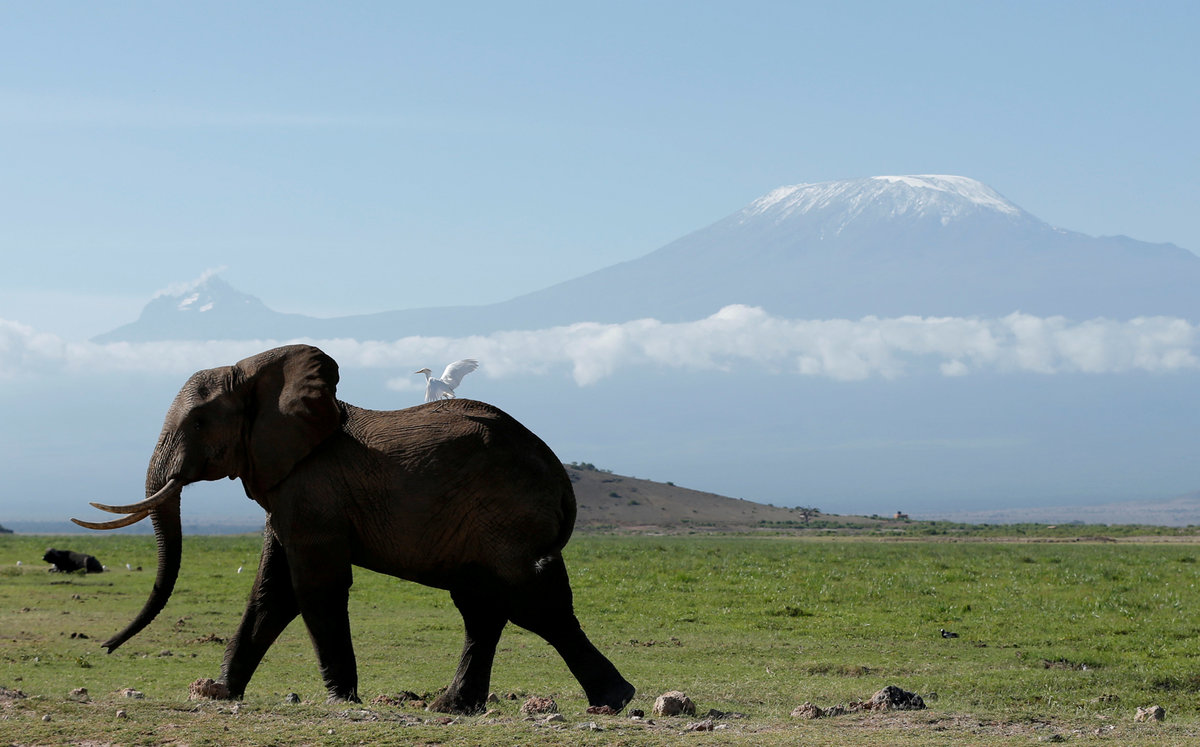
WASHINGTON (Reuters) - The most comprehensive elephant genome study ever conducted, covering seven living and extinct species, is offering some surprises about the family tree of the world's largest land animal while also settling a debate about Africa's elephants.
Researchers said on Monday their research confirmed that the two types of African elephants, those inhabiting forests and those roaming savannas, are separate species that have lived in nearly complete isolation from one another for the past half million years despite their close proximity.
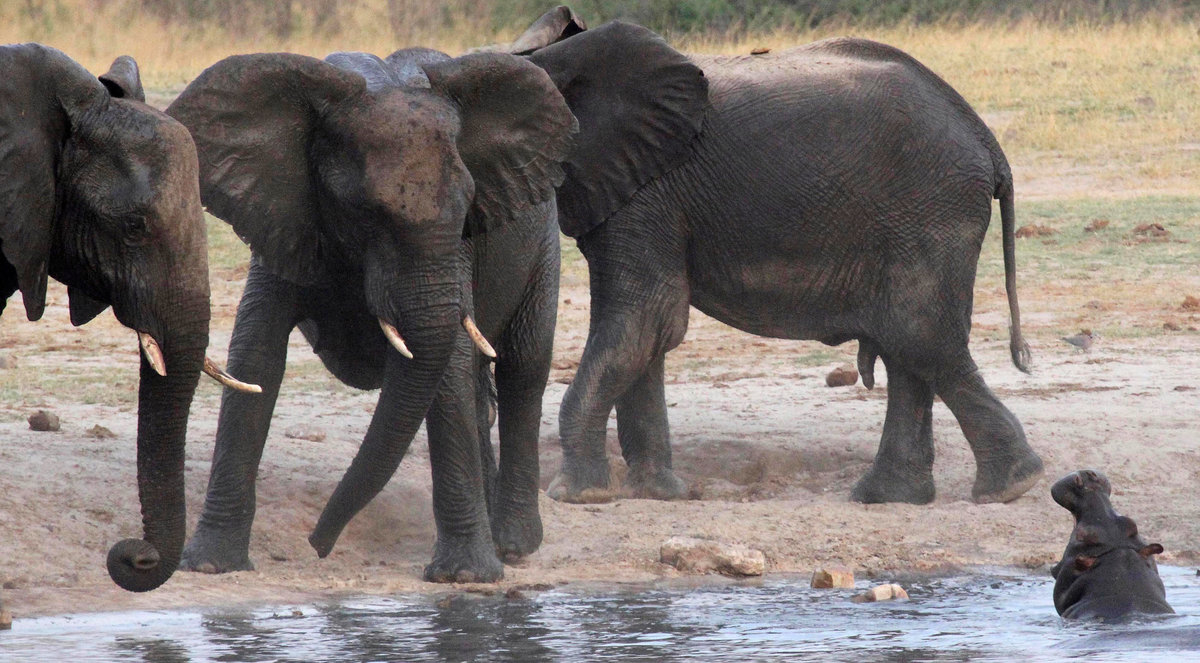
They join the Asian elephant as the world's three existing elephant species.
The scientists sequenced the genomes of two African savanna elephants, two African forest elephants, two Asian elephants, two extinct so-called straight-tusked elephants, four extinct woolly mammoths, including two from North America and two from Siberia, one extinct Columbian mammoth and two extinct American mastodons. Mastodons are not classified as members of the elephant lineage but are cousins.
"I hope that this study can create an appreciation for the rich evolutionary history of elephants and emphasize the need for protecting the only three elephant species that still walk the planet today, who are all under imminent risk of extinction from poaching and habitat loss," said Harvard Medical School geneticist Eleftheria Palkopoulou, one of the researchers.
The research found multiple instances of gene flow -- interbreeding -- between different extinct elephant species, though this has virtually stopped among today's elephants.
The straight-tusked elephants that once inhabited Europe and Asia -- the largest of the species studied at up to 13 feet tall (4 meters) and 15 tons -- are a case in point. The species turns out to be a hybrid with portions of its genome arising from an ancient African elephant, the woolly mammoth and the African forest elephants still alive today.
Straight-tusked elephants were traditionally thought to be most closely related to Asian elephants due to similarities in their skulls and teeth. One of the two straight-tusked elephants studied lived 120,000 years ago and provided one of the oldest high-quality genomes for any extinct species.
The scientists also found fresh evidence of interbreeding among the Ice Age Columbian and woolly mammoths, which crossed paths in locations where the more temperate regions of North America met the glaciers that then covered large parts of the continent.
The research was published in the Proceedings of the National Academy of Sciences.
(Reporting by Will Dunham; Editing by Sandra Maler)