Donald Trump has approved a landmark nuclear agreement with Saudi Arabia that could eventually allow the kingdom to enrich uranium, intensifying fears that the Middle East may be pushed towards a new nuclear arms race.
The 30-year agreement gives American companies access to Saudi Arabia's planned civilian nuclear programme and creates a pathway for the construction of reactors using US technology. However, unlike a previous US deal with the United Arab Emirates, it does not require Saudi Arabia to give up uranium enrichment or the reprocessing of spent nuclear fuel.
That omission is particularly controversial because Crown Prince Mohammed bin Salman has previously indicated Saudi Arabia might pursue a nuclear weapon if regional rival Iran obtained one. The deal has also been announced as Washington continues to challenge Tehran over the same enrichment technology that can support civilian energy but also, at far higher levels, help produce bomb-grade material.
Why Enrichment Raises Alarm
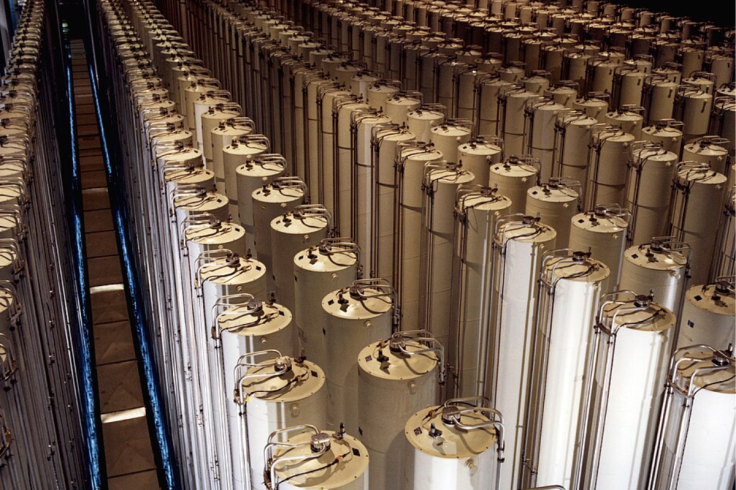
Uranium enrichment increases the concentration of the isotope needed to fuel nuclear reactors. Most commercial reactors use uranium enriched to relatively low levels, while material for a nuclear weapon requires much higher purity.
Having enrichment facilities does not automatically give a country a bomb. Developing a weapon also requires specialised engineering, explosives and a system capable of delivering it. However, enrichment is one of the most difficult and sensitive stages of the process, meaning a country that masters it could move closer to weapons capability if it chose to abandon its civilian commitments.
The US-Saudi agreement reportedly creates a legal pathway for cooperation on the nuclear fuel cycle, including enrichment. It does not force Washington to transfer the technology, and a joint feasibility study would be required before an enrichment facility could be built in Saudi Arabia. The infrastructure could also take years to develop.
Safeguards Left Out
The agreement does not contain the so-called 'gold standard' applied in the US-UAE nuclear pact, under which the UAE renounced domestic uranium enrichment and spent-fuel reprocessing.
It also omits the International Atomic Energy Agency's Additional Protocol. That measure gives inspectors broader access to information and sites, strengthening their ability to identify undeclared nuclear material or covert activity.
The Trump administration insists the agreement meets high standards for safety and non-proliferation. Energy Secretary Chris Wright said it would strengthen US-Saudi commercial ties, support American jobs and reinforce regional security.
Critics argue that bilateral safeguards cannot fully replace the independent oversight provided by the UN nuclear watchdog. They also fear the deal could set a precedent for other Middle Eastern countries to demand enrichment rights of their own.
Could the Deal Trigger a Regional Nuclear Race?
Saudi Arabia says it wants nuclear power to diversify its energy supply, reduce its reliance on oil and gas for electricity, and support energy-intensive activities such as water desalination. Using atomic power domestically could also free up more crude for export.
The danger lies in how neighbouring countries may respond. Allowing Riyadh to develop enrichment capabilities could discourage Iran from limiting its own programme and encourage other regional governments to seek similar technology.
The agreement must now undergo a congressional review lasting 90 session days. Lawmakers can attempt to block it, although overriding a presidential veto would require a two-thirds majority.
Trump's deal may bring lucrative reactor contracts and bind Saudi Arabia more closely to American technology. Yet the most important question is not whether Riyadh intends to build a weapon today. It is whether giving the kingdom the tools to enrich uranium could make a future nuclear confrontation in the Middle East far harder to prevent.