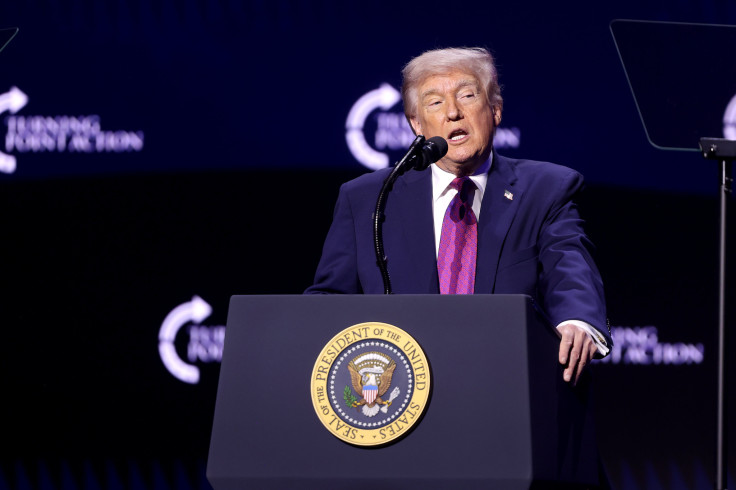
Donald Trump's Memorial Day messaging has triggered a political storm after a series of explosive Truth Social posts in which he threatened Iran with 'bigger than ever' military escalation while simultaneously demanding peace agreements from multiple countries.
The contradictory tone of the posts, issued early in the morning on a day traditionally reserved for honouring fallen service members, has reignited debate over his rhetoric, foreign policy stance and approach to global diplomacy.
Critics say the message combined war threats, political insults and confusing international demands in a way that overshadowed the solemn meaning of the holiday.
Truth Social Post
Trump posted a Memorial Day message on Truth Social that quickly escalated into a sweeping political statement. While he initially offered traditional holiday greetings, including praise for US military sacrifices, the tone shifted sharply as he criticised political opponents and framed his message around ongoing global conflicts.
In the same post, Trump signed off with a formal presidential-style signature while launching into a broader rant about international security and US strength. Observers noted the unusual structure of the message, which mixed tribute, political attacks and foreign policy demands in a single stream of commentary. Critics argued that the post blurred the line between ceremonial remembrance and active geopolitical threat-making, especially given the timing on Memorial Day morning.
He stated that if conditions were not met, military action would become 'bigger and stronger than ever before'. At the same time, he demanded that nations move towards peace agreements, creating what critics describe as a contradictory diplomatic position.
The president also referenced the need for a normalisation deal involving Israel, despite ongoing tensions in the region and existing diplomatic frameworks established under previous administrations. Critics highlighted that the messaging appeared to conflate multiple conflicts and political realities into a single demand-driven narrative.
Political commentators noted that the combination of escalation threats and peace demands created confusion over what policy direction was actually being proposed. Supporters, however, argued that the rhetoric reflected a hardline negotiation strategy intended to pressure adversaries. The result has been a renewed debate over whether such statements strengthen deterrence or undermine diplomatic credibility.
Confused Regional Demands Draw Foreign Policy Scrutiny
Further controversy arose from Trump's reference to several countries including Pakistan, Turkey, Egypt, Jordan, Saudi Arabia and Qatar in connection with peace agreements. Analysts quickly pointed out that many of these nations are not directly involved in the Iran-Israel conflict and do not share the geopolitical positioning implied in the post.
This led to accusations that the message lacked coherence in its foreign policy framing, with critics suggesting it reflected a broad and imprecise view of Middle Eastern alliances. Some commentators argued that grouping unrelated countries into a single peace demand undermined the seriousness of the diplomatic issue being discussed.
The inclusion of Pakistan in particular drew attention, as analysts emphasised that it is not part of the regional negotiations referenced. This aspect of the post fuelled further debate over whether the statement was strategic messaging or an unscripted expression of frustration.
Memorial Day Tone
Beyond foreign policy concerns, the timing of the message on Memorial Day has intensified criticism. Trump's post included references to Democrats, whom he accused of disrespecting the military, alongside traditional tributes to fallen service members. Critics argue the combination diluted the solemn purpose of the day, which is intended to honour those who died in US military service.
Attention also turned to broader claims made in the post about military success and ongoing global operations. Analysts and commentators noted that the tone shifted rapidly between remembrance, political confrontation and foreign threats, creating what some described as a fragmented narrative.
Opponents of Trump's messaging said the rhetoric showed a lack of restraint during a sensitive national holiday, while supporters insisted it reflected a strong stance on national security and global deterrence. The result has been renewed political division over how former and current leaders should communicate during moments of national remembrance.