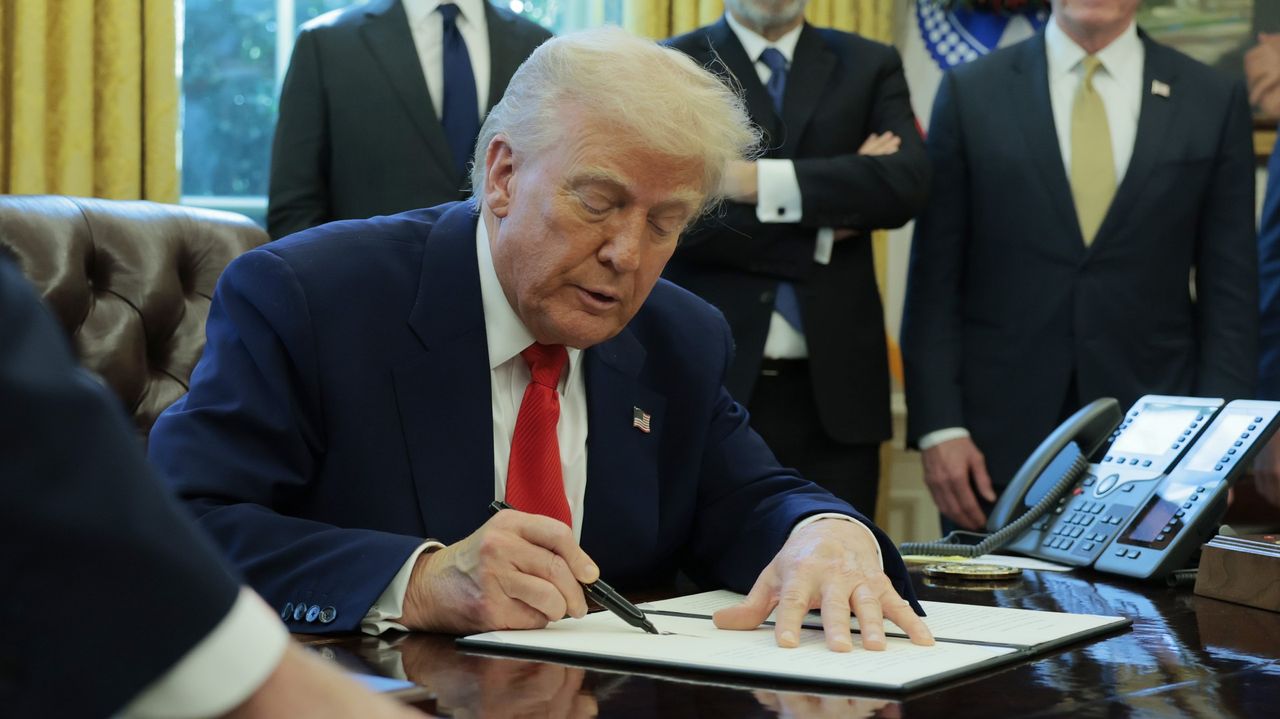
AI is about to fall under new regulatory practices, assuming President Trump's recent social media post leads to legislation. The President shared that he will sign an executive order this week that prevents states from setting their own regulations related to AI.
President Trump shared the following on Truth Social:
"There must be only One Rulebook if we are going to continue to lead in AI. We are beating ALL COUNTRIES at this point in the race, but that won’t last long if we are going to have 50 States, many of them bad actors, involved in RULES and the APPROVAL PROCESS. THERE CAN BE NO DOUBT ABOUT THIS! AI WILL BE DESTROYED IN ITS INFANCY! I will be doing a ONE RULE Executive Order this week. You can’t expect a company to get 50 Approvals every time they want to do something. THAT WILL NEVER WORK!"
The executive order, which has been discussed for weeks, would streamline the process of AI pushing forward with new tools and ideas. At the moment, AI companies have to navigate through dozens of regulations set by various states, which supporters of the executive order argue can slow innovation.
National Economic Council Director Kevin Hassett spoke with CNBC about the executive order and noted that a near-final draft has been reviewed by the President.
“There are some states that want to regulate these companies within an inch of their lives, and when they make a misstep, fine the heck out of them,” said Hassett. “This executive order that he’s promised to come out is going to make it clear that there’s one set of rules for AI companies in the US.”
A previous attempt to stop states from creating AI regulations failed in July, as reported by CNN.
I don’t think it’s unreasonable to ask that it have at least as much safety regulation in place as we have for a carton of milk.
Microsoft President Brad Smith, February 2024
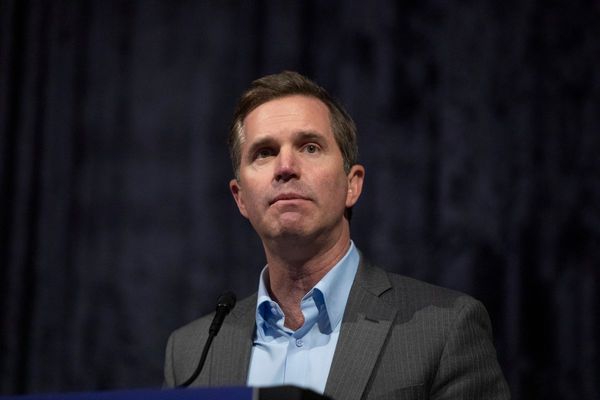
Federal laws preventing states from regulating AI are seen as overreaching by critics. Florida Governor Ron DeSantis spoke of earlier efforts to prevent states from regulating AI on X:
"Stripping states of jurisdiction to regulate AI is a subsidy to Big Tech and will prevent states from protecting against online censorship of political speech, predatory applications that target children, violations of intellectual property rights and data center intrusions on power/water resources.
The rise of AI is the most significant economic and cultural shift occurring at the moment; denying the people the ability to channel these technologies in a productive way via self-government constitutes federal government overreach and lets technology companies run wild."
The Financial Times highlighted that Senator Josh Hawley (Missouri) and Arkansas Governor Sarah Huckabee Sanders are also among those who have spoken out against the concept presented in President Trump's upcoming executive order.
Risks of AI
The adoption of AI is happening at an accelerating rate — which many claim is alarming. While there are hypothetical issues that could be caused by AI, such as the claimed 99.999999% probability of ending humanity, there are also concrete examples of AI being dangerous right now.
ChatGPT reportedly encouraged one user to kill themselves earlier this year. The maker of ChatGPT, OpenAI, is facing a lawsuit about the death of 16-year-old Adam Raine.
OpenAI reportedly sent RSVPs for GPT-4o's launch party before testing even began on the model. Situations like that cause concern from users and legislators.
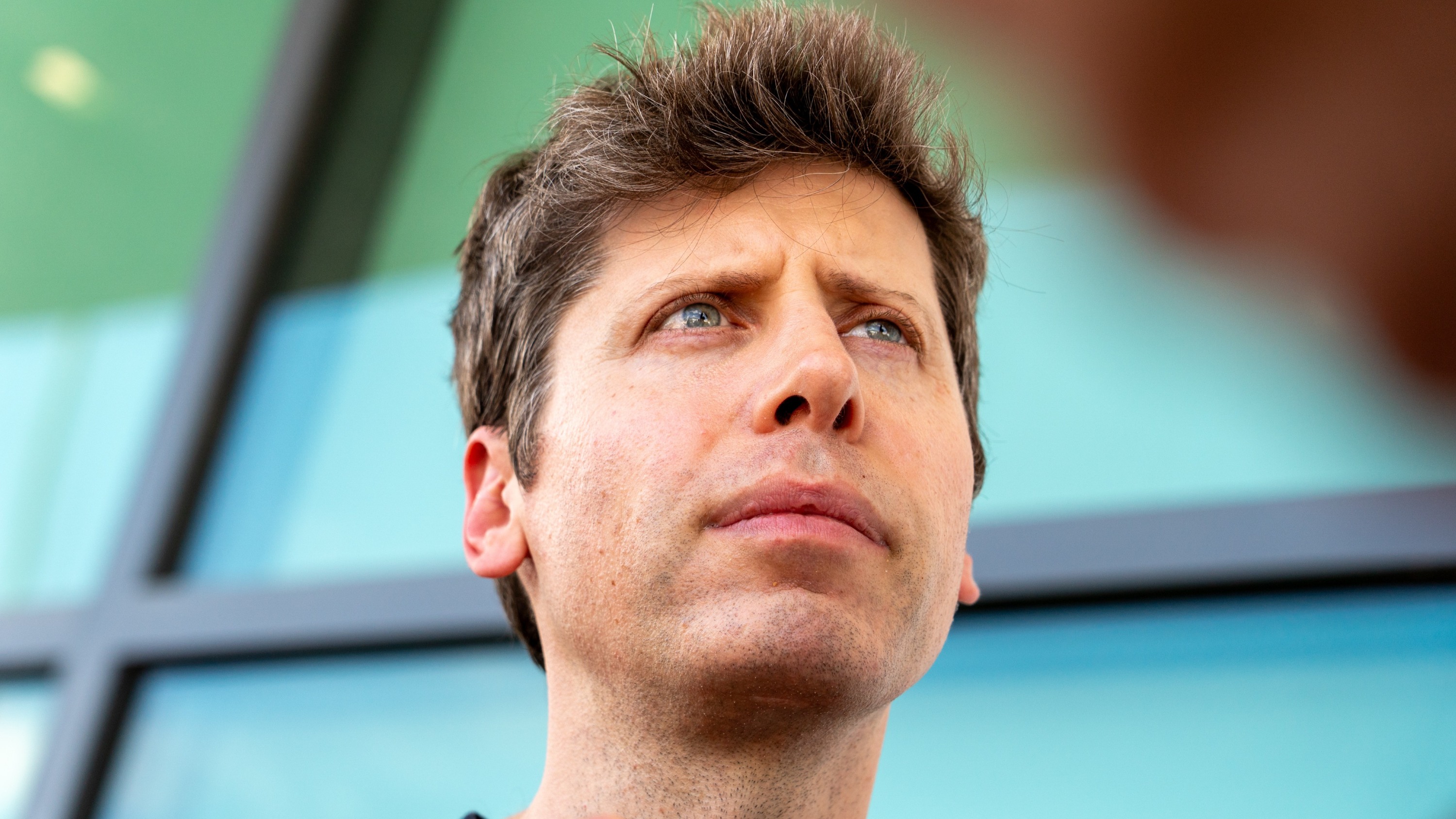
OpenAI CEO Sam Altman said in 2024 that AI should be regulated like airplanes and have an international agency. Though it should be noted his comments were likely about the need for regulation rather than a statement about which specific government bodies should make the regulations.
Altman has also expressed concern about how young people over-rely on ChatGPT and that people may trust tech too much.
Microsoft President Brad Smith has pushed for regulation of AI, stating, "If this is, as I think it is, the most advanced technology on the planet, I don’t think it’s unreasonable to ask that it have at least as much safety regulation in place as we have for a carton of milk."
The form those regulations will take going forward remains a question mark. Depending on President Trump's upcoming executive order, we could see them strictly at a federal level when dealing with AI in the United States.

Follow Windows Central on Google News to keep our latest news, insights, and features at the top of your feeds!