SAN DIEGO _ The fate of a $25 million settlement that would end the Trump University litigation remained uncertain Thursday as a San Diego federal judge takes time to decide whether the objections of a Florida woman are legally valid enough to potentially upend the entire deal.
U.S. District Judge Gonzalo Curiel heard arguments from attorneys but declined to issue a ruling from the bench. A written decision could come later Thursday.
The judge had already given preliminary approval to the settlement in December, but objections filed in March by two former students raised questions.
Sherri B. Simpson, a bankruptcy attorney in Florida who enrolled in Trump University's $35,000 "Gold Elite" program, argued she was not given a second chance to opt out of the case once the settlement was reached and wanted to preserve her right to sue Trump individually. And Florida resident Harold Doe, who said the money he spent on Trump University caused his family to go homeless and hungry, argued he deserved at least three times the loss.
The judge spent no time on Doe's objection, instead focusing on whether it was reasonable for Simpson to expect after reading the 2015 class notice that she would have a later opportunity to leave the case should there be a settlement.
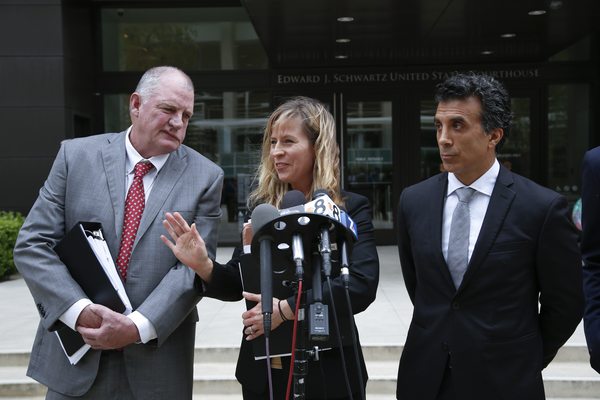
Patrick Coughlin, one of the plaintiffs' attorneys in the two San Diego lawsuits, argued the objections weren't valid and shouldn't endanger the ability of thousands of class members to recover losses.
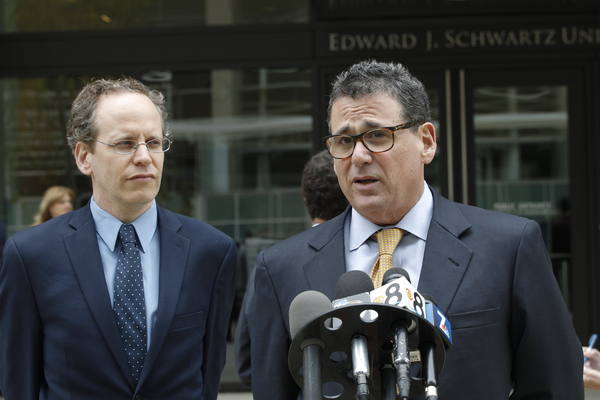
Simpson's lawyer, Gary Friedman of New York, argued his client has a due process right to clear language in a class action notice and that she interpreted the wording correctly.
"She just wants her day in court," Friedman said outside the courthouse.
About 7,000 students qualified to split $21 million of the settlement, but only about 3,730 class members submitted valid claim forms by the March 6 deadline.
The New York attorney general's office, which was promised the remaining $4 million of the settlement, has agreed to give up $1.6 million to the class members in the San Diego cases, attorneys announced Thursday.
With that boost in money, attorneys predict the students will end up receiving at least 90 cents on the dollar of what they spent on Trump University. The amount is not exact because claim forms were still being processed and validated.
The lawsuits claimed Trump University misled students into spending thousands of dollars on real estate seminars and a yearlong mentorship program that didn't live up to promises. Students were falsely told that instructors and mentors were "handpicked" by Trump and led to believe the program was an accredited university, according to the lawsuits.
Trump University "playbooks" were leaked that instructed staff how to maximize their selling techniques at seminars _ from the room temperature to massaging money fears to manning exits. In a deposition Trump admitted he didn't know or couldn't remember many of the instructors.
Until the very end, Trump boldly shut down any possibility of settling, at one point telling supporters at a May 2016 rally that the presidency wouldn't stop him from fighting: "I could have settled this case numerous times, but I don't want to settle cases when we're right. I don't believe in it. And when you start settling cases, you know what happens? Everybody sues you because you get known as a settler. One thing about me, I am not known as a settler."
He blamed the students' failure to succeed on their own shortcomings and the downturn of the real estate market. He pointed to a 98 percent approval rate on student feedback forms.
His victory in the presidential election changed everything. Days after winning the White House, and just as the first of the cases was set to go to trial in San Diego, both sides negotiated seriously for the first time and reached the settlement. Trump later said on Twitter that he needed to focus his attention on transitioning to office.