WASHINGTON (Reuters) - President Donald Trump on Monday will order his top trade adviser to determine whether to investigate Chinese trade practices that force U.S. firms operating in China to turn over intellectual property, senior administration officials said on Saturday.
The move, which could eventually lead to steep tariffs on Chinese goods, comes at a time when Trump has asked China to do more to crack down on North Korea's nuclear missile program as he threatens possible military action against Pyongyang.
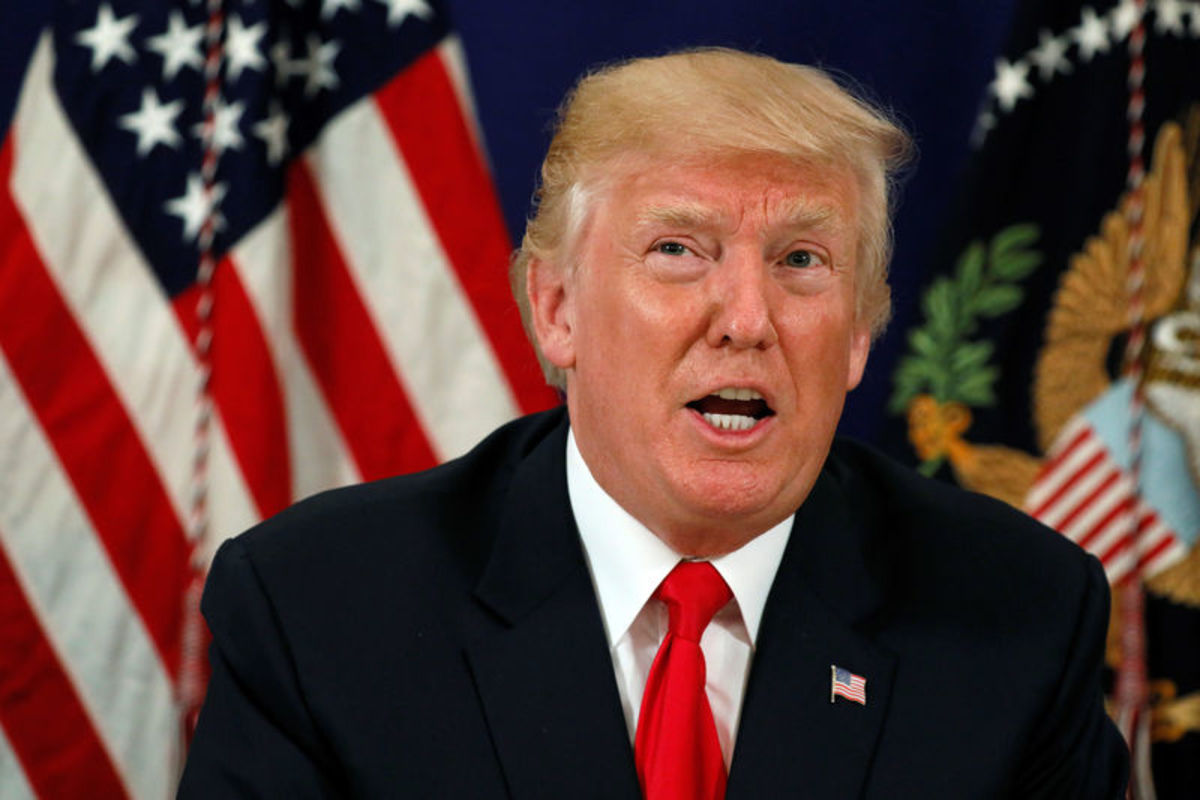
Trump has said he would be more amenable to going easy on Beijing if it were more aggressive in reining in North Korea.
An administration official, however, insisted diplomacy over North Korea and the potential trade probe were "totally unrelated," saying the trade action was not a pressure tactic.
"These are two different things," the official said, speaking to reporters on a conference call.
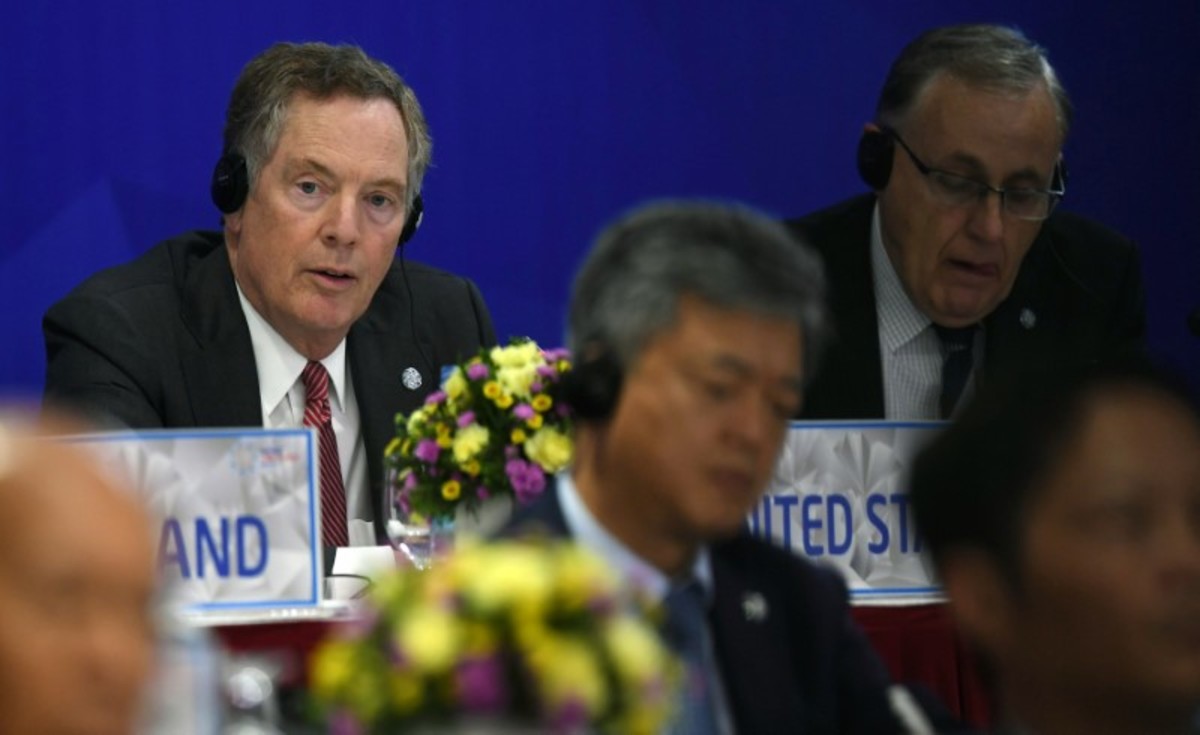
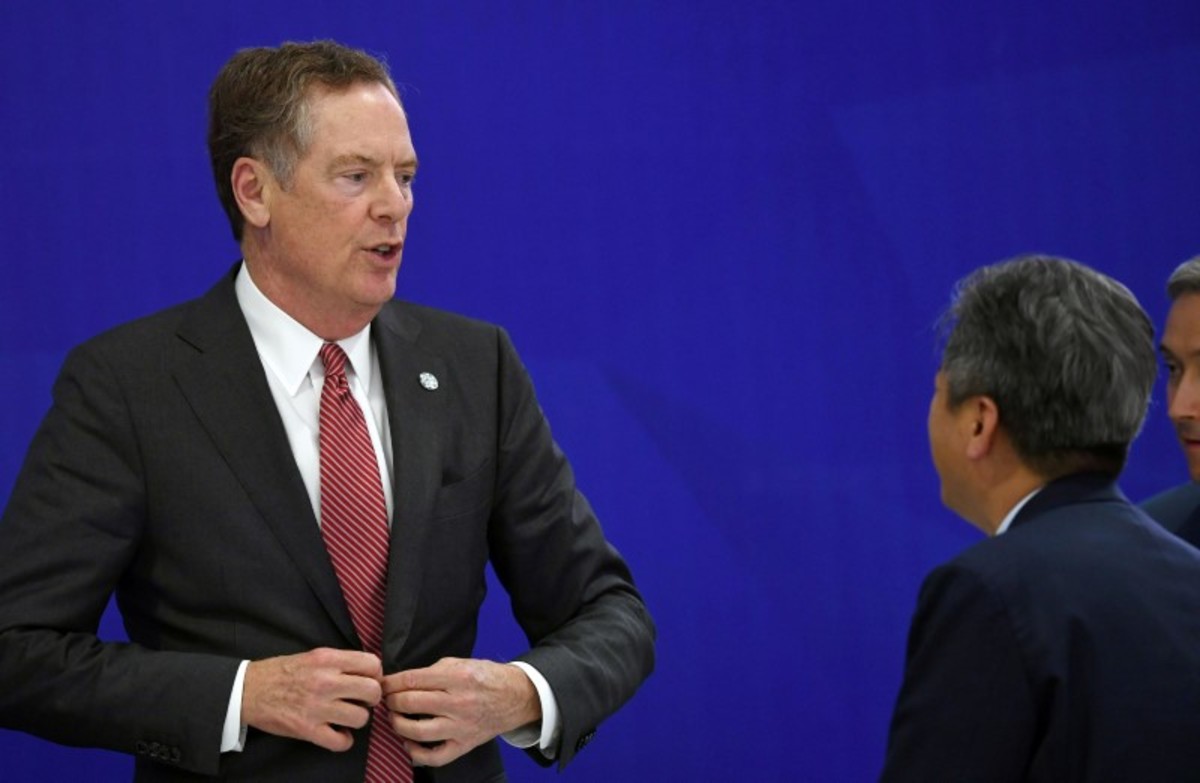
Trump will direct U.S. Trade Representative Robert Lighthizer to determine if an investigation is warranted of "any of China's laws, policies, practices or actions that may be unreasonable or discriminatory, and that may be harming American intellectual property, innovation and technology," the official said.
"China's unfair trade practices and industrial policies, including forced technology transfer and intellectual property theft, harm the U.S. economy and workers," a second official told reporters. "The action being taken on Monday is a reflection of the president's firm commitment to addressing this problem in a firm way."
Any investigation that may be launched could take as long as a year to conclude, a third official said. He said it would be premature to speculate on actions that could eventually be taken against China, and added that the issue could be resolved through "negotiated agreement."
Trump, who will interrupt a 17-day working vacation to make a day trip to Washington for the trade announcement, had been expected to seek a so-called Section 301 investigation earlier this month, but an announcement was postponed as the White House pressed for China's cooperation on North Korea.
While China joined in a unanimous U.N. Security Council decision to tighten economic sanctions on Pyongyang, Trump has kept up pressure on Beijing to do more.
"We lose hundreds of billions of dollars a year on trade with China. They know how I feel," he told reporters on Thursday. "If China helps us, I feel a lot different toward trade."
Trump and Chinese President Xi Jinping spoke by telephone on Friday and reiterated their mutual commitment to denuclearize the Korean peninsula, the White House said in a statement. It was unclear whether the issue of trade came up.
Section 301 of the Trade Act of 1974, a popular trade tool in the 1980s that has been rarely used in the past decade, allows the president to unilaterally impose tariffs or other trade restrictions to protect U.S. industries from "unfair trade practices" of foreign countries.
The process can bypass World Trade Organization procedures for adjudicating grievances. Though widely used worldwide, the WTO process is viewed unfavourably by the Trump administration.
"We're at the beginning of this process and no firm decisions have been made as to how that is going to work in terms of whether we would pursue WTO action or action outside the WTO," the first administration official said.
In addition to the United States, the European Union, Japan, Germany and Canada have all expressed concern about Chinese theft of intellectual property. The technology sector has been especially hard-hit in intellectual property disputes.
(Reporting by Lesley Wroughton; Editing by Tim Ahmann and Sandra Maler)