Staffers for President Donald Trump celebrated the administration's elimination of 90 percent of USAID’s work with a cake — even after they were warned the cuts would lead to millions of deaths, according to a report.
A month into Trump’s second term, an inexperienced team led by Marine veteran Peter Marocco and Jeremy Lewin, a 28-year-old with no prior government or aid experience, began to cut U.S. Agency for International Development programs, ProPublica reported.
By late February, once the aides were on track to eradicate 90 percent of the work done by USAID – the largest humanitarian donor in the world – they celebrated with congratulatory speeches and a sheet cake.
The impacts of the cuts were felt immediately. Days after news of the cuts, a clinic in a remote part of South Sudan at the epicenter of a massive cholera outbreak said it would shutter.
The clinic, run by the Christian, Maryland-based humanitarian organization World Relief and funded by USAID, saved over 500 people from the deadly disease, which is caused by poor sanitation.
While the Trump administration promised to keep or restore necessary lifesaving programs affected by the cuts, it did not. Diplomats and government experts around the world warned Trump officials that getting rid of the funding would result in countless deaths.
Even still, Trump-appointed and Department of Government Efficiency workers cut programs “in ways that guaranteed widespread harm and death in some of the world’s most desperate situations,” ProPublica wrote in their report.
In a statement to The Independent, State Department Principal Deputy Spokesperson Tommy Pigott said the report was attempting to “undermine” the Trump administration’s work in public health and disaster response.
“ProPublica’s attempt to undermine the Trump administration’s work on public health and disaster response will fail miserably. Our new model cuts out the corrupt NGO industrial complex to ensure assistance is more effectively delivered in a way that solves problems, addresses crises, and is in line with our national interests,” Pigott said.
The abrupt cuts let aid workers and communities without adequate time to find other sources of funding, food or medicine. The official death count in South Sudan has reached nearly 1,600, making it the worst cholera epidemic in the country’s history. However, that figure is likely much smaller than the actual death count, according to the outlet, who say they found “newly dug, unmarked graves” in the area.
Tibor Nagy, who was Trump’s acting undersecretary of state for management until April, had been a critic of the number of nonprofits funded by American taxpayers — but said Trump’s team didn’t care to differentiate between the “fluff” and vital humanitarian efforts.
“It was the most harebrained operation I’d seen in my 38 years with the U.S. government,” Nagy told ProPublica. “Who knows how much damage was done.”
Secretary of State Marco Rubio has insisted that no one died because of cuts to U.S. foreign aid and that his staff reinstated lifesaving operations, but the ProPublica report found that wasn’t the case.
While those critical programs remained on the books, funding didn’t restart for months, if it returned at all. Additionally, several critical programs that run on year-long grants expired without renewal, according to the report.
South Sudan, the youngest and poorest country in the world, relies heavily on American aid.
USAID needed less than $20 million – three percent of its budget for South Sudan last year – to fund lifesaving health programs in the struggling country for three months at the beginning of the year. The funding was denied and delayed for months, and people in South Sudan died as a result, according to the report
“We had to start rationing lifesaving interventions,” Lanre Williams-Ayedun, the senior vice president of international programs for World Relief, told ProPublica. “To have something like this happen in a place like this, where there aren’t mechanisms for backup, just means people are going to die.”
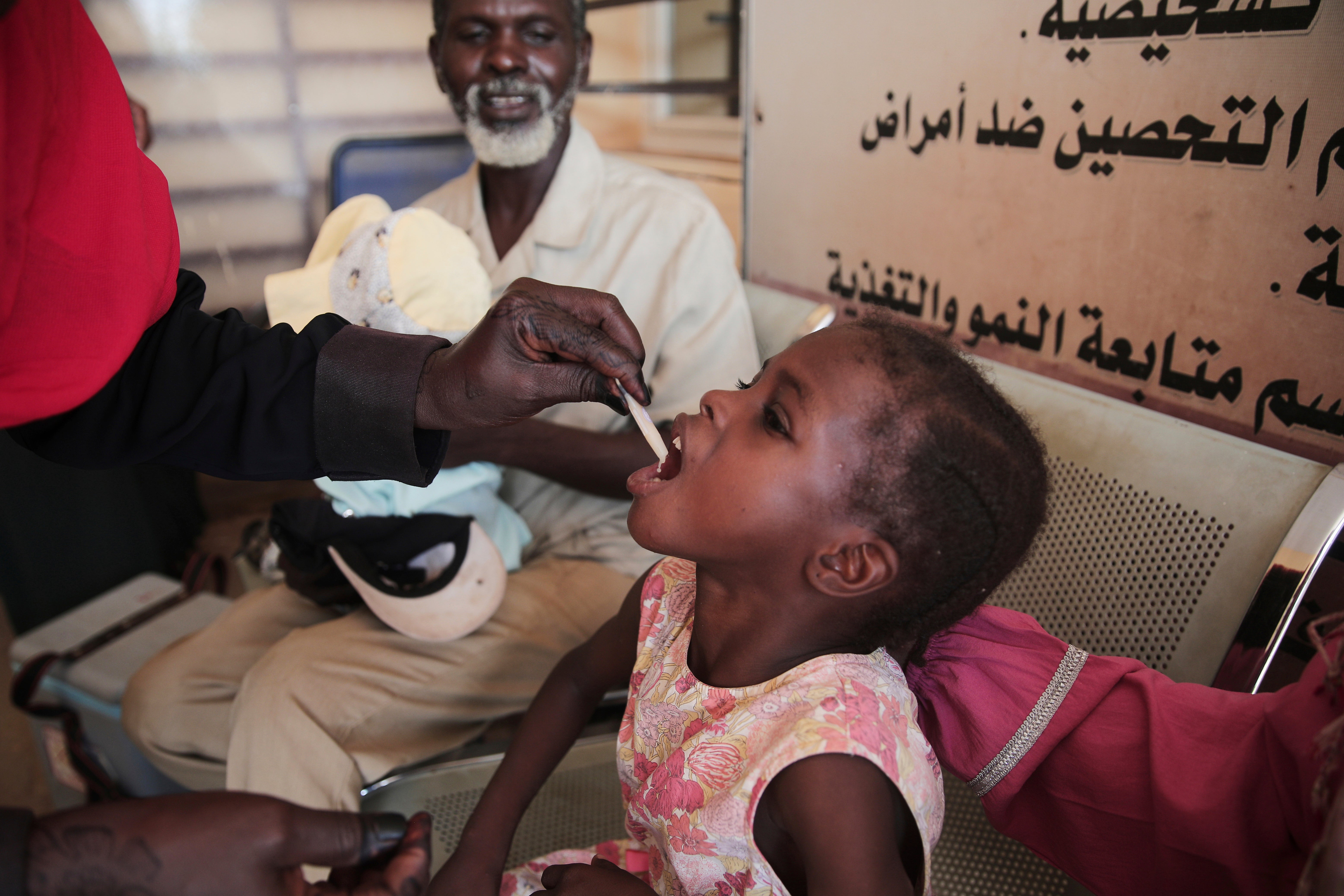
While cholera cases were decreasing in South Sudan, they started to surge after the funding was stopped, according to the report.
A senior State Department official told ProPublica that the changes were necessary to reform a “calcified system,” and that the changes would later benefit both the U.S. and the world, according to the report.
The official maintained that no one died as a result of the funding cuts, telling ProPublica, “That’s disgusting framing.”
“There are people who are dying in horrible situations all around the world, all of the time,” the official said.
“Who is responsible for the suffering of the people of South Sudan?” the official added. “The South Sudanese [government leaders] who take their oil revenues and buy private jets and fancy watches and don’t see to their own people? Or the United States? Are we responsible for every poor person all around the world?”
More than 5,000 USAID programs were canceled with the cuts, leaving fewer than 1,000. However, the surviving programs also weren’t receiving money, according to the report. The remainder of the programs were later absorbed by the State Department.
The aid cuts could cause more than 14 million deaths by 2030, according to a report published by researchers in the Lancet medical journal, the BBC reported.
The authors of the report called the numbers “staggering” and warned that a third of those at risk were children.
The shuttering of USAID, founded in 1961, has sparked widespread condemnation by humanitarian organizations across the globe. Further cuts to foreign aid will also impact HIV and AIDS programs.
The world had been on track to end the AIDS pandemic by 2030. The unprecedented cuts are explored in The Independent’s documentary, Death Sentence, about the deadly impact of the collapse of USAID funding.