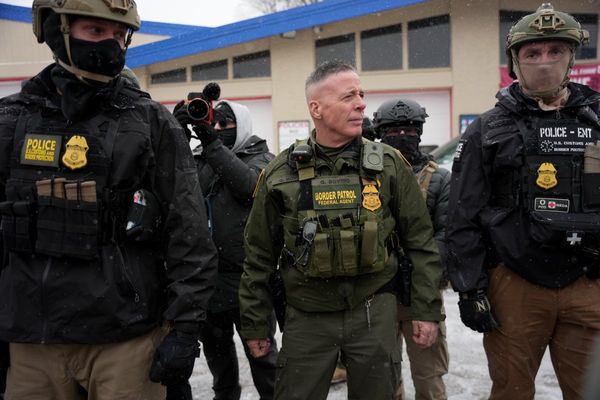
Protests and unrest stemming from racial discrimination continue in the United States. The turmoil was exacerbated by U.S. President Donald Trump's provocative remarks. First and foremost, society as a whole must regain its composure.
The situation was triggered by the death of a black man who was pinned down by a white police officer who put his knee on the man's neck for about nine minutes. Although the police officer was arrested and indicted, the charge of third-degree murder -- which is applicable in cases where there was not clear intention to kill or planning -- sparked criticism for being too light.
Protests have spread across the United States, including Washington, D.C. and Los Angeles, in the slightly more than a week since the incident. This is said to be the first occurrence of such unrest since the assassination of black civil rights leader Martin Luther King Jr. in 1968.
In some areas, illegal acts such as looting and arson were rampant and curfews were imposed.
Of course, crimes and violence that take advantage of opportunities for demonstrations are unacceptable. The younger brother of the black man who was killed called for peaceful demonstrations, saying that exploding in anger and committing destructive acts did not help, and that it is "not going to bring my brother back at all." His anguished cry must be heard.
The root of the problem is discrimination against black people, which is deeply rooted in society.
There are many cases in which white police officers are not properly punished for violent and fatal crimes against black people. A number of such cases happened even during the administration of Barack Obama, who was the first black president.
In areas where many black people live and where crime rates are high, police officers tend to regard them as suspects. Black people feel that they are always being treated unfairly, and they are deeply angry. The only solution is to reform the police and patiently disentangle this mutual distrust.
The spread of the novel coronavirus has caused hardships for many black people. Some data show that the proportion of people who have died or lost their jobs due to the coronavirus is higher among black people than other races in the United States.
The recent demonstrations should be seen as an opportunity to confront racial disparities in income, education and medical care.
Leaders from all walks of life must send a message of reconciliation to the public to calm the situation.
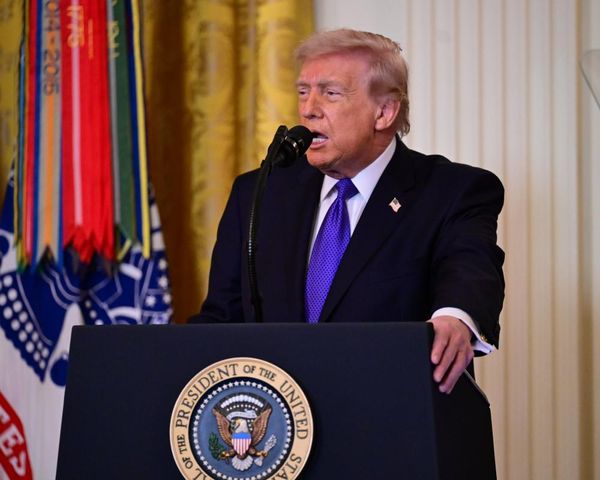
Trump's behavior is far from that. He criticized Democratic governors for being weak and stressed the need to control their states by force. With the presidential election approaching in November, he seems to be focusing only on white voters.
To what extent does Trump understand the sensitivity of racial issues? It is feared that the anti-discrimination movement in the United States, which has been active for more than half a century, will be undermined, and the possibility of reconciliation will recede.
-- The original Japanese article appeared in The Yomiuri Shimbun on June 4, 2020.
Read more from The Japan News at https://japannews.yomiuri.co.jp/