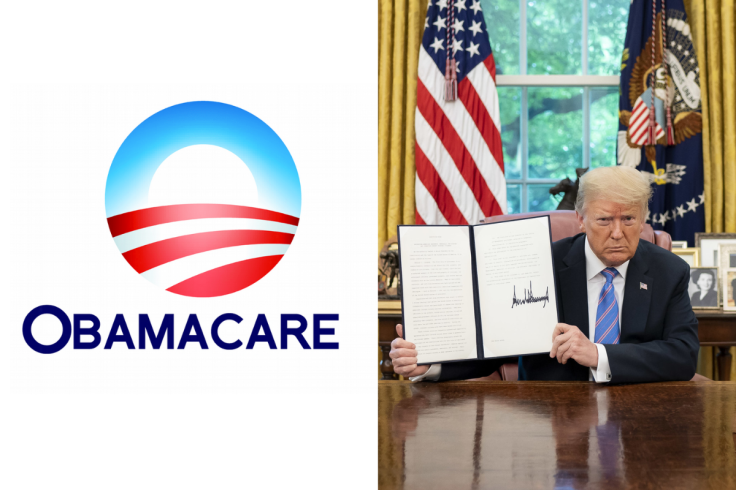
Trump's assertion that health care costs in the United States are climbing 'because of Obama' encapsulates a familiar political narrative, but facts and data complicate that claim. In a recent social media video circulating on Instagram, Trump blamed the Affordable Care Act (ACA), often labelled 'Obamacare', for escalating health care costs.
Conservatives and some members of Congress echo similar rhetoric as debates rage on over the future of federal health policies. However, independent analyses and data show that no single law, including the ACA, is solely responsible for rising costs, which have multifaceted roots stretching decades.
Rising Costs Reflect Long-Term Trends, Not a Single Law
Health care costs in the US have been rising for many years, long before the ACA became law in 2010. Broad measures like total national health expenditure, which surpassed £3.8 trillion ($5.2 trillion) by 2025, illustrate a trend that predates both Obama and Trump administrations.
Most analyses by independent researchers attribute rising health care spending to factors such as demographic changes, increased utilisation of services by an ageing population, advanced medical technologies, higher pharmaceutical prices, and market consolidation among providers and insurers.

The Kaiser Family Foundation (KFF), a non-partisan research institution, has highlighted that a small portion of the population, particularly older adults and those with chronic illnesses, accounts for a disproportionate share of total spending in a given year. This reflects inherent cost dynamics rather than the direct consequence of any one policy.
Furthermore, the Congressional Budget Office and other health policy analysts have repeatedly emphasised that cost growth is shaped by long-term structural drivers, such as medical inflation and labour shortages, rather than single legislative features.
Studies routinely find that costs have risen irrespective of political party control of the White House or Congress. Independent fact-check organisations have detailed similar conclusions in past assessments of presidential claims about 'Obamacare' and health-care spending.
The Affordable Care Act's Role: Complex, Not Causal
The ACA expanded health coverage through Medicaid and subsidised marketplace insurance, increasing access for millions. In the process, premiums for certain plans did rise in the individual market at times, particularly in early years.
But these increases were not uniform across all markets and were influenced by technical factors, such as the phasing out of temporary reinsurance programmes and risk-sharing mechanisms built into the ACA itself, rather than a simple causation by the law. Many early rate jumps reflected short-term corrections to align premiums with underlying medical costs.
Importantly, the ACA enshrined consumer protections that require coverage of essential health benefits and preventive care. While these protections can raise administrative and plan costs, they also eliminate many hidden expenses that previously burdened consumers. Moreover, the law's subsidy structure mitigates premium increases for most people purchasing plans on the federal marketplace, meaning many consumers pay less out-of-pocket than they otherwise would.
Today's health care cost pressures partly stem from policy changes under later administrations, including actions taken by Trump's own government. For example, regulatory changes that allow plans with higher deductibles, combined with the forthcoming expiration of enhanced premium tax credits that were expanded during the COVID-19 pandemic, are projected to sharply increase costs for millions of people by 2026.
Independent analyses predict that without the extension of these subsidies, average premium costs could rise significantly, from £715 ($888) to £1,536 ($1,904) per year for many ACA enrollees.
Additionally, rules from the current administration aimed at altering ACA marketplace regulations have been shown by the non-partisan Centre on Budget and Policy Priorities to increase premiums and out-of-pocket costs for millions of Americans. These changes reduce financial assistance and expand insurers' ability to raise cost-sharing charges, raising overall health care expenses for families. Health care costs in the United States reflect longstanding systemic trends rather than the actions of any single administrator.