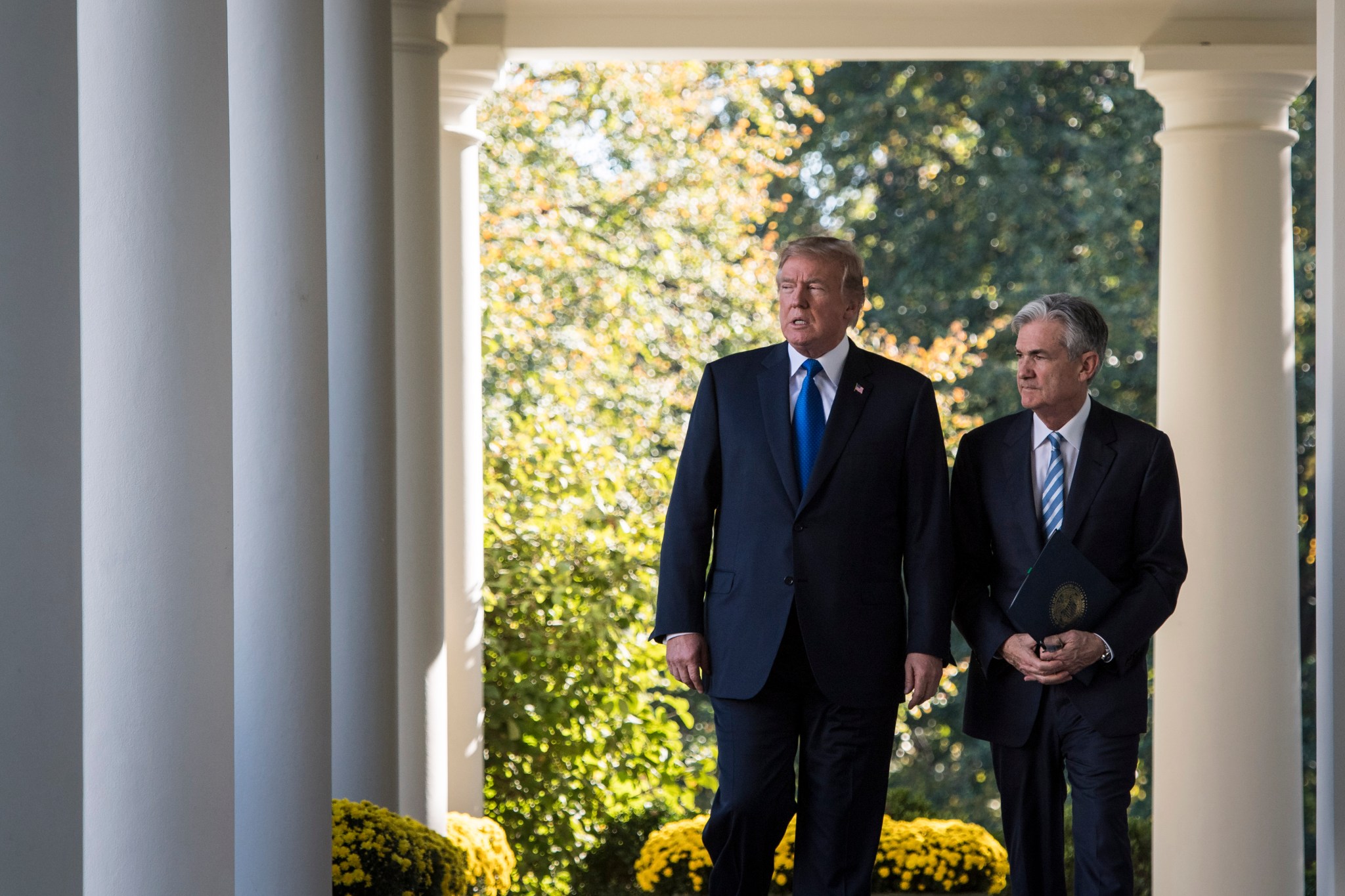
Intentional or not, any hints Jerome Powell may drop about his outlook on the economy have the potential to move markets. While the chair of the Federal Reserve has insisted time and again that the only factors he is focused on is a mandate of inflation at 2% and maximum employment, he’ll also be keeping Wall Street in his periphery.
But before too long, the attention of analysts and investors may move elsewhere: President Trump is ready to announce his nomination.
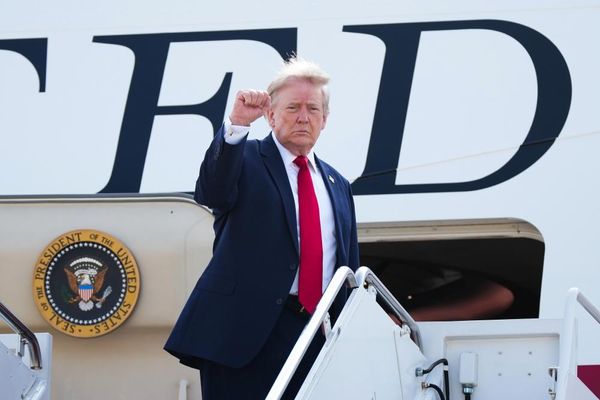
“I know who I am going to pick,” Trump told reporters on Air Force One on his way back to Washington on Sunday night. “We’ll be announcing it.”
With Chair Powell (himself a Trump nominee) coming to the end of his term next spring, speculation has been rife throughout 2025 as to who will replace him. The White House has been transparent about potential names on the list: “two Kevins” (Trump’s chief economic advisor Kevin Hassett and former Fed governor Kevin Warsh) as well as some names within the Fed. These have included current Federal Open Market Committee members such as governors Chris Waller and Michelle Bowman. BlackRock’s Rick Rieder has also been a name floated in contention.
One person who has been continually lobbied for the job is Treasury Secretary Scott Bessent, who told his boss he doesn’t want to leave his current cabinet position.
At the time of writing, Hassett leads the polls as the person most likely to receive Trump’s backing, with odds on prediction markets platform Kalshi sitting at 79%. Next is Warsh at 13%, and governor Waller at 8%.
The frenzy over the nomination has been all the more fraught because of Trump’s one-sided battle against Powell this year. The president threatened to fire Powell before quickly retreating when markets shifted nervously on fears over Fed independence, though questions of central bank autonomy have lingered ever since.
And the chaos isn’t over yet: When the future chair of the Fed is announced, will Powell or his successor hold more sway with the markets? The incoming authority will have more supporters in the White House than the Fed’s current leadership, to be sure, but whether they’ll receive the same welcome from inside the Fed remains to be seen.
Casting a shadow
Investors are also betting Trump will announce the incoming chair in 2025, in line with the mood music out of Capitol Hill for most of the year. In doing so, Trump will (deliberately or not) be delivering on an idea suggested by Bessent earlier this year: a “shadow” chair looming over Powell in his final Federal Open Market Committee meetings.
Bessent had originally suggested the nomination should be made public a year before Powell steps down in May, explaining: “You could do the earliest Fed nomination and create a shadow Fed chair. And based on the concept of forward guidance, no one is really going to care what Jerome Powell has to say anymore.”
Commentators are already eyeing the trajectory of U.S. monetary policy under a new chair, even before a nomination has been announced: “New Fed leadership could increase easing bias,” wrote Mark Haefele, global wealth management chief investment officer at UBS, in a note to clients Monday. He added: “Hassett is viewed as dovish on Fed policy and closely aligned with the Trump administration, which favors lower rates. If indeed appointed, he would likely reinforce market expectations for a more aggressive rate-cut cycle, adding further downward pressure on the dollar.”
Likewise, UBS chief economist Paul Donovan was also peering ahead, telling clients in an audio bulletin this morning that the Senate is unlikely to upset the apple cart by rejecting Trump’s nomination.
“Although there is quite a wide range of talent among the pool of candidates, none of the names suggested are so radical as to induce the Senate to take an independent view,” added Donovan.
Hassett emerging as a front-runner, added Donovan, “might give parallels” to the disastrous alliance between President Nixon and Fed Chair Arthur Burns. “Burns ultimately faced rebellion within the ranks of the Fed, and the Fed has been showing more independence of spirit in its voting patterns on policy of late, so one should be cautious of reading too much into the actions of a single individual at the Fed,” he added.