Elon Musk’s destruction of USAID ran counter to the Trump administration’s broader goals and ignited a firestorm that the White House couldn’t control, Donald Trump’s chief of staff revealed in a bombshell new interview.
The explosive Vanity Fair interview with White House chief of staff Susie Wiles hit D.C. Tuesday and provides a stark view of her opinion of Musk, recently one of the most powerful people in the United States government with a small army of minions who oversaw the disassembling of the nation’s foreign assistance apparatus amid a campaign of unchecked cost-cutting across the federal government.
Wiles gave an almost completely unguarded critique of her colleagues, including the president, and the dynamics that let to a perception of abject chaos surrounding the White House for the first half of 2025. In a statement released on Musk-owned X following the article’s publication, Wiles and the White House lashed out at Whipple and Vanity Fair over the direct quotes published by the news organization. She did not dispute their veracity.
It was against Musk that Wiles levied the strongest criticisms as she portrayed his leadership of the Department of Government Efficiency — “DOGE” — as a messy and poorly-managed initiative that held true to the “move fast and break things” motif, stopping only to inform the White House after plans were already in motion. That applied to USAID, which the chief of staff said that Musk told the White House he was dismantling as he was “already into it”.
“The challenge with Elon is keeping up with him,” Wiles said of Musk in one conversation that occurred during his DOGE tenure, according to Vanity Fair. “He’s an avowed ketamine [user]. And he sleeps in a sleeping back in the [Executive Office Building] in the daytime.”
Further describing Musk as an “odd, odd duck” whose eccentricities were “not helpful,” Wiles strongly critiqued the dismantling of USAID: “I was initially aghast, because I think anybody that pays attention to government and has ever paid attention to USAID believed, as I did, that they do very good work.”
She went on to say that Musk shuttered programs meant to save lives including disruptions to the AIDS treatment program were done against the president’s wishes. U.N. officials have warned that the disruptions to the aids program will result in millions of more deaths from HIV/AIDS over the next five years.
“No rational person could think the USAID process was a good one. Nobody,” Wiles said, explaining that she had to inform Musk he didn’t have the authority to lock officials out of their offices.
The White House chief of staff was equally blunt about the reason that Musk’s destruction of USAID and the disruptions to key programs weren’t stopped: Because Donald Trump didn’t know about them or care about them.
“The president doesn’t know and never will,” she said during one of 11 interviews with Vanity Fair for the piece. “He doesn’t know the details of these smallish agencies.”
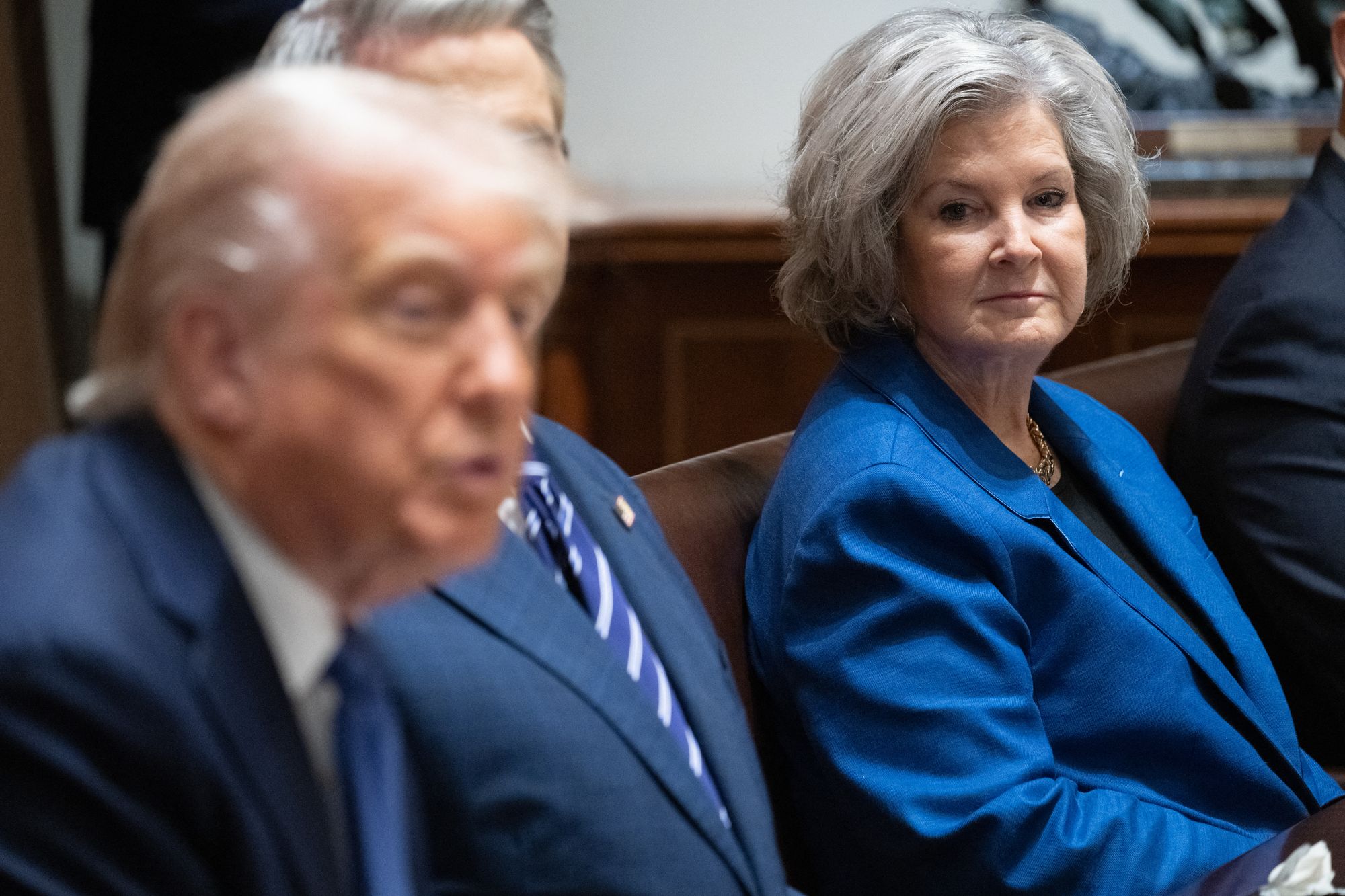
The comment was jarring, given the amount of policymaking and agency leadership the White House has centralized in the West Wing over the past year and reveals the newfound importance and power that Trump’s unelected advisers such as Stephen Miller still maintain within the Executive Branch.
Musk’s dismantling of USAID occurred in the earliest days of the administration and during the Tesla chief’s first few weeks on the job in the White House. The agency, established during the Cold War, was a chief instrument of American diplomacy, influence and support for developing countries.
“We spent the weekend feeding USAID into the wood chipper,” Musk boasted in one social media post, arguing: “USAID is a criminal organization.”
.jpeg)
More than 80 percent of the USAID’s work was ended after a six-week review led by DOGE and Secretary of State Marco Rubio, who oversees USAID under traditional federal structures.
Rubio was appointed as USAID’s acting administrator in February and in August handed the role off to Russ Vought, another fiscal hawk and close ally of the president whom Rubio said would close down the agency entirely. Only an act of Congress would legally be able to do that, but it’s unclear what functions the agency still continues to perform given that the Secretary of State oversaw a shift of “core programs” to the State Department itself.
“Since January, we’ve saved the taxpayers tens of billions of dollars. And with a small set of core programs moved over to the State Department, USAID is officially in close out mode,” said Rubio in August.
Musk recently visited the White House for the first time since his unceremonious ousting earlier this year and the explosive break-up he had with Donald Trump over X.
The former DOGE chief accused Trump of being “in the Epstein files” and attacked Republicans over congressional spending levels, before easing up on his criticism.
In an interview with Katie Miller, wife of Stephen Miller, last week Musk claimed that DOGE was “somewhat successful” in reaching its cost-cutting goals but said he wouldn’t launch the initiative again, if given the chance by Trump. The agency, which had been officially disbanded by November of 2025, claimed to have cut $214 billion in spending during its tenure but the actual figure is unverified and seemingly a mystery to many in Washington given the lack of congressional oversight and factual information released by the White House.
Why Donald Trump’s $10bn lawsuit against the BBC is doomed to fail
The major takeaways from Vanity Fair’s interviews with Trump ‘ice maiden’ Susie Wiles
BBC facing legal bill of millions as it vows to defend $10bn Trump defamation case
Jared Kushner ditches Serbia hotel project after four officials charged with bribery
What we know about the latest Ukraine peace deal – and Russia’s objections
Trump’s chief of staff confirms Trump is in the Epstein files as she torches Bondi