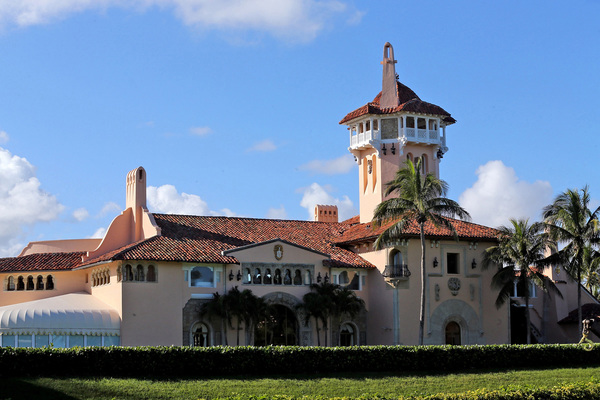
WEST PALM BEACH, Fla. _ President Donald Trump is expected at his Winter White House in Palm Beach for the holidays, but records showing who will be visiting him at his Mar-a-Lago Club aren't available to the public.
The Trump administration has swatted down attempts by government watchdog groups to obtain White House and Mar-a-Lago visitor logs through the Freedom of Information Act.
The administration has argued that visitor logs fall under the Presidential Records Act, which means the information could be kept secret up to 12 years after Trump leaves office. The Obama administration initially fought efforts to make its White House visitor information public, but finally agreed to settle a lawsuit by turning over some of the records.
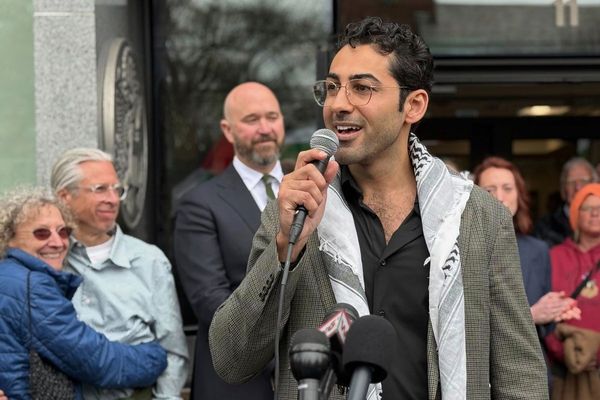
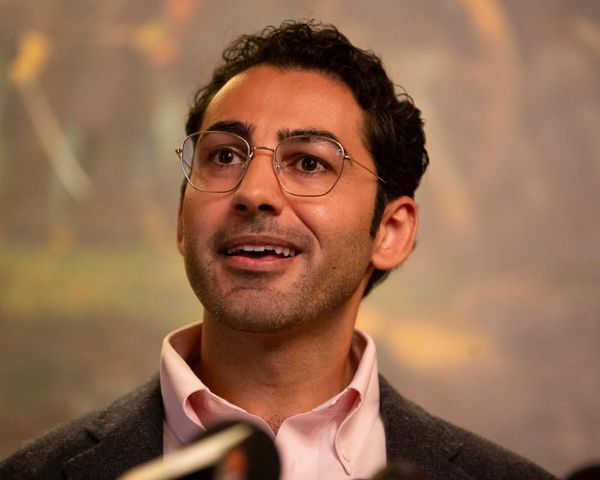
Alex Abdo, a senior staff attorney at the Knight First Amendment Institute at Columbia University, said he thinks the public should be able to see who is meeting with the president. Exemptions are already in place that allow information to be kept secret if its release would jeopardize national security, he said.
"One critical aspect of understanding government is to know who has influence over elected officials," Abdo said. "The logs reveal who has the president's ear."
Abdo's organization joined with the Citizens for Responsibility and Ethics in Washington and the National Security Archive in filing a lawsuit seeking the records.
A spokesman for the Department of Homeland Security declined to comment because of the pending litigation. White House officials cited national security and privacy concerns in declining to release the records.
The Obama administration started releasing visitor logs in 2009 but with the caveat that records related to "particularly sensitive meetings," such as discussions with Supreme Court nominees, could be excluded. Judicial Watch, a conservative legal group, argued that the settlement was inadequate because it gave the administration wide discretion to exclude records.
Mar-a-Lago differs from previous presidential retreats, such as George W. Bush's ranch in Crawford, Texas, said Jordan Libowitz, a spokesman for Citizens for Responsibility and Ethics in Washington.
Visitors couldn't buy access to Bush's ranch, he said.
"It wasn't open to the public, where people could pay to stay a couple of bedrooms down from the president," Libowitz said.
Soon after Trump was elected, annual membership fees for Mar-a-Lago's private social club doubled to $200,000.
So far, the federal government has provided only the names of 22 Japanese officials who visited Mar-a-Lago in February.
Robert Kraft, the owner of New England Patriots, was photographed eating dinner with Trump and Japanese Prime Minister Shinzo Abe during the Japanese visit. But the records don't reflect Kraft as having visited Mar-a-Lago.
Officials with the Secret Service have also said there is no system of keeping track of presidential visitors at Mar-a-Lago as there is at the White House.
Visitors to the White House must provide their Social Security numbers and undergo background checks. The names of people meeting with the president or his staff are then entered into what is known as the Workers and Visitors Entry System.
Several Mar-a-Lago guests have said security has checked their names against lists on weekends when the president was there, according to the lawsuit.
In court filings, the Secret Service has acknowledged that it has some records relating to visitors to Mar-a-Lago, but the government maintains that those records pertain to the president's schedule and don't have to be released.
A hearing date in the lawsuit hasn't been set, but it will likely be sometime in the next few months, Libowitz said.
Trump has owned the Mar-a-Lago estate and private club since the 1980s. In the first year of his presidency, he spent many weekends in South Florida during the social season, which ends around Easter.




.jpg?w=600)