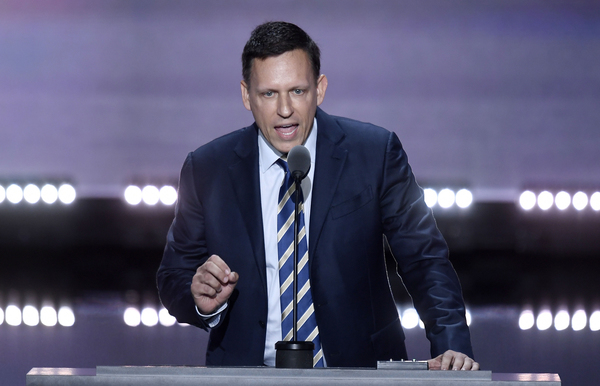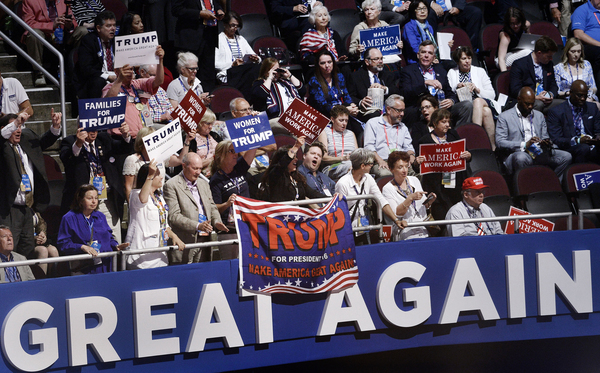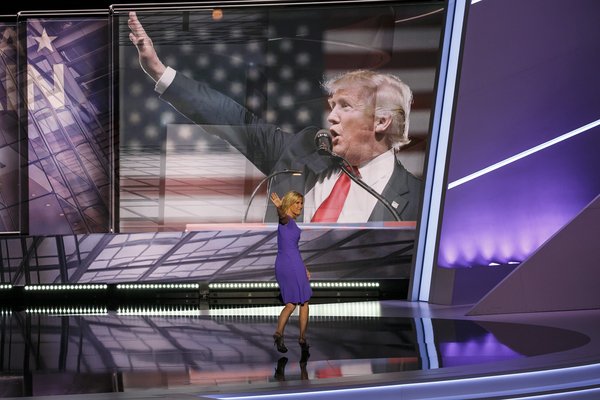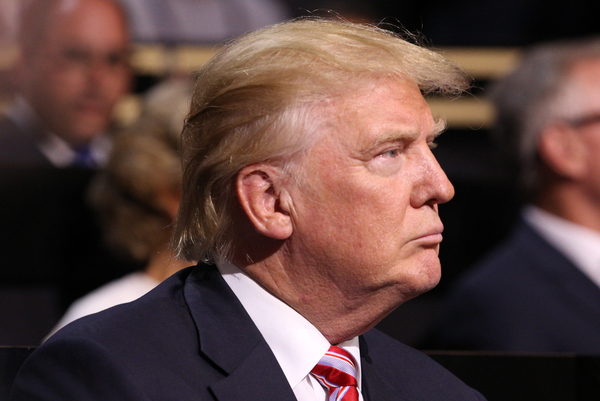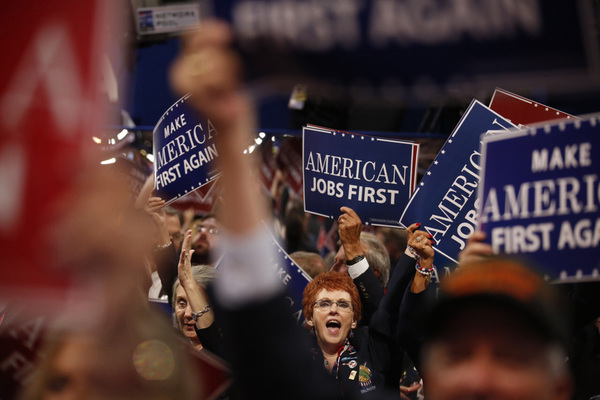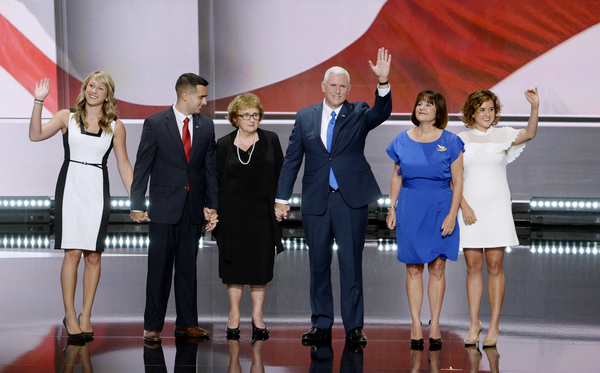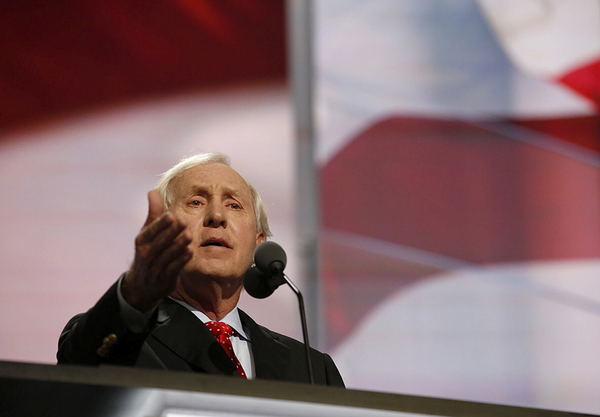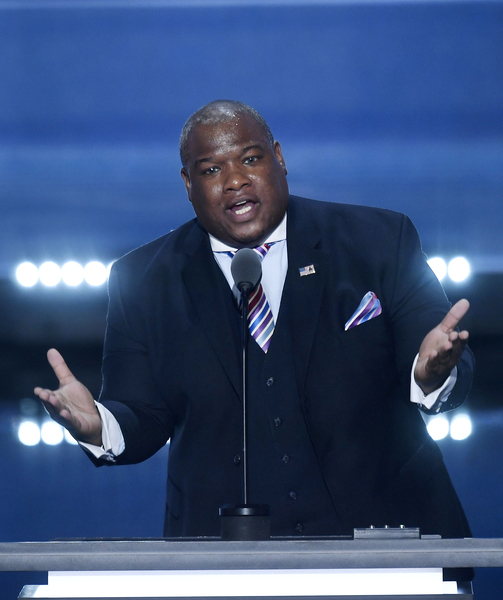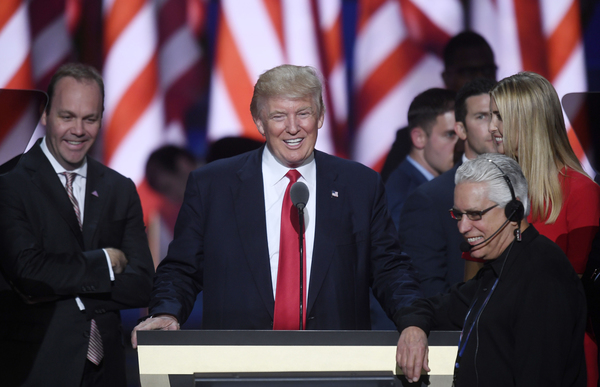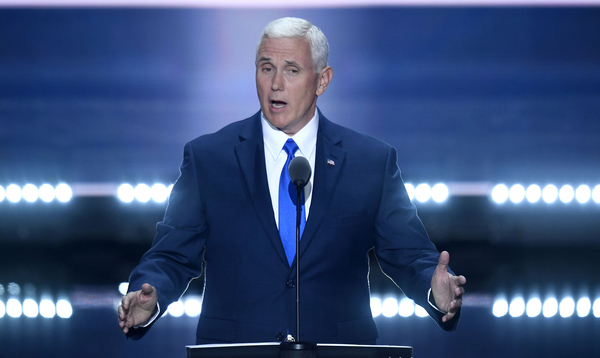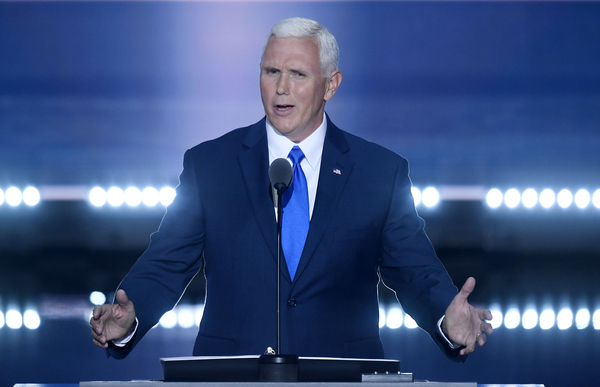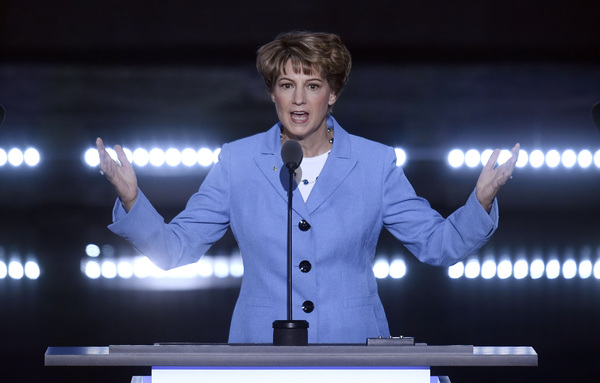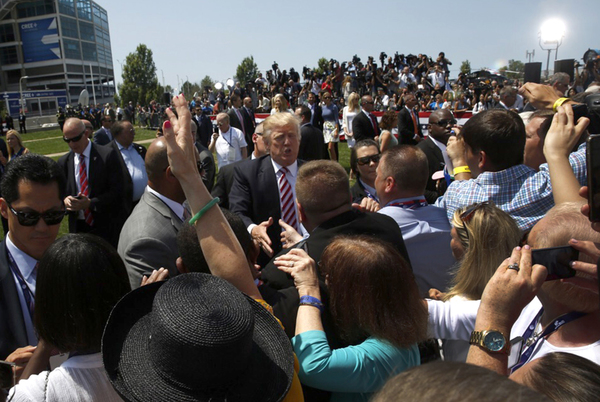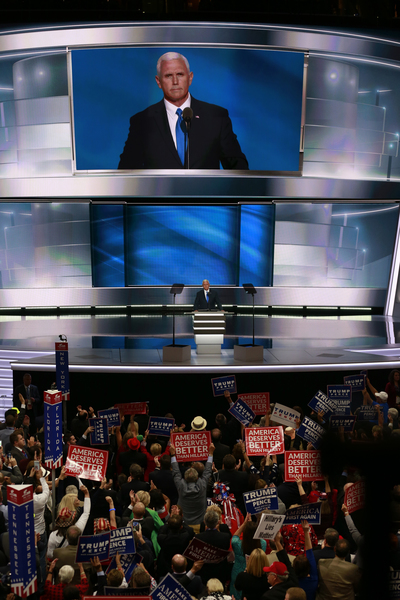
CLEVELAND _ Donald Trump always said he could be presidential.
But he always seemed to be having too much fun being the bombastic billionaire who enjoyed pummeling his opponents with mockery and offering the occasional profanity or off-color allusion.
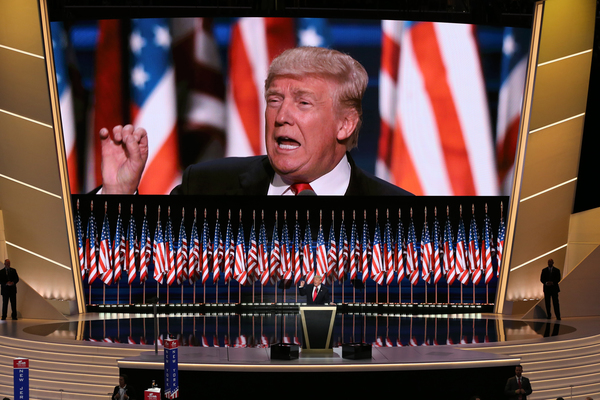
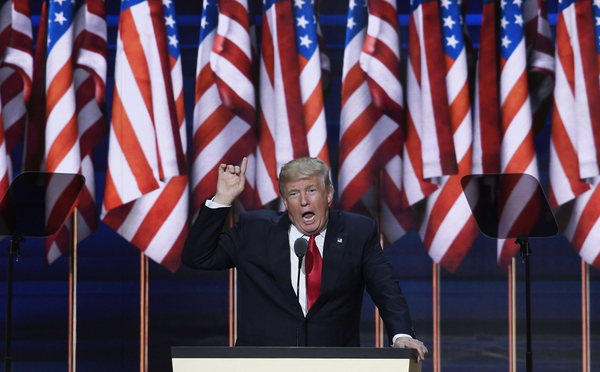
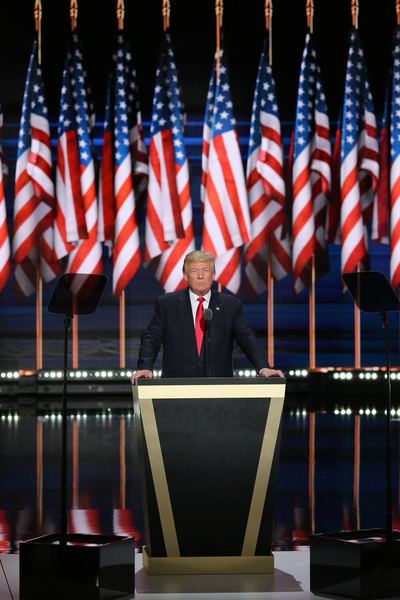
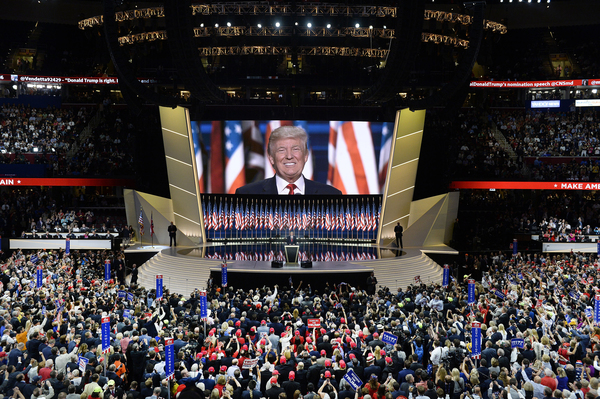
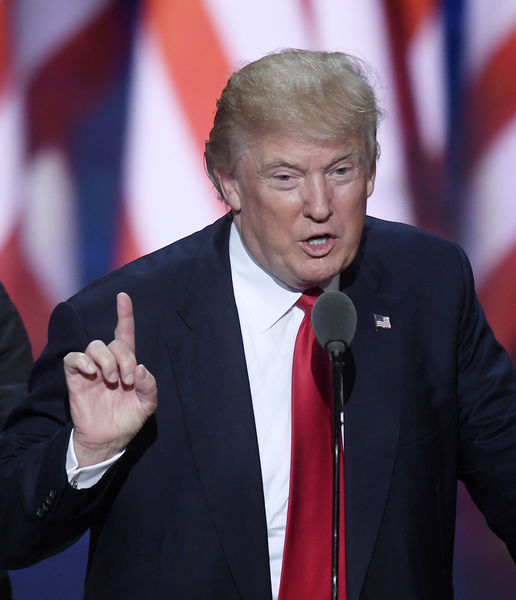
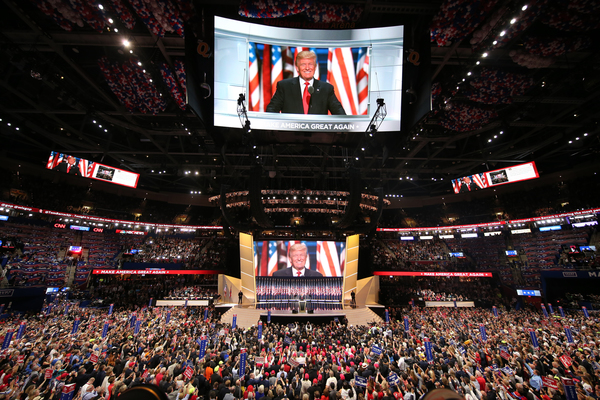
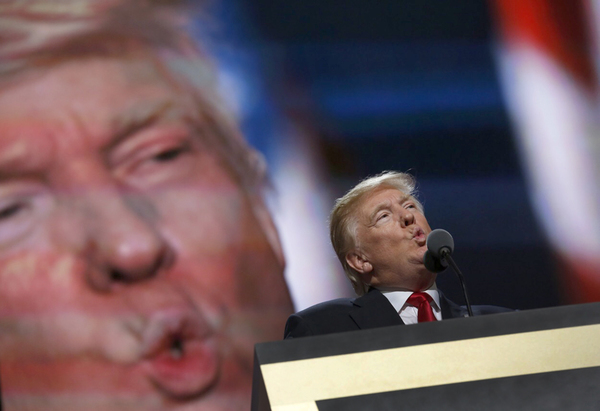
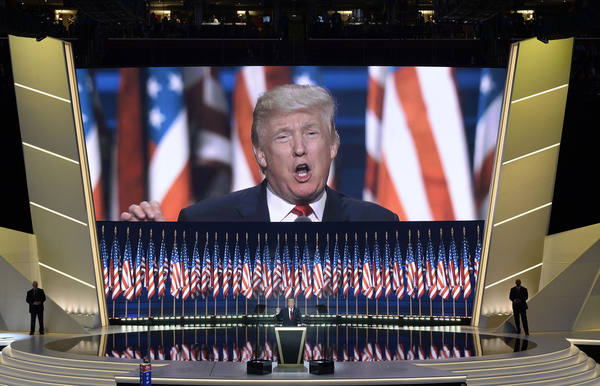
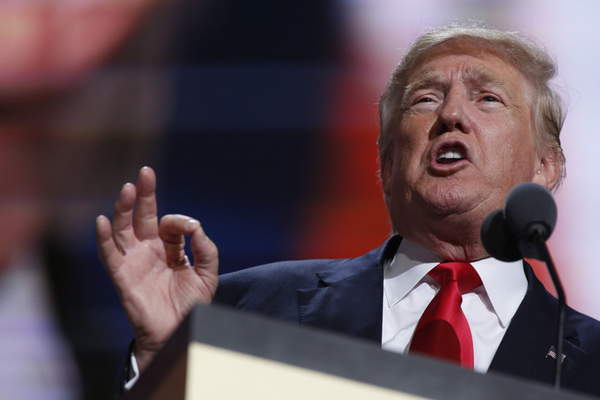
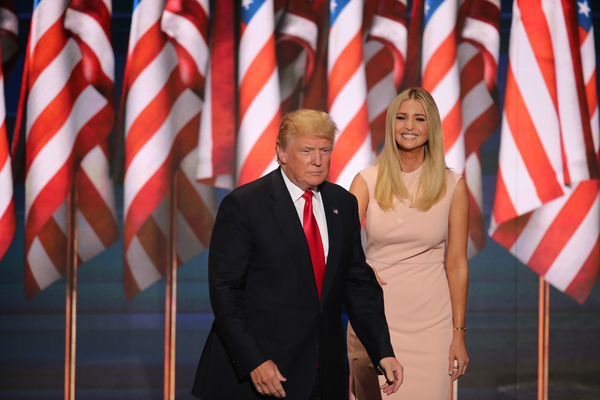
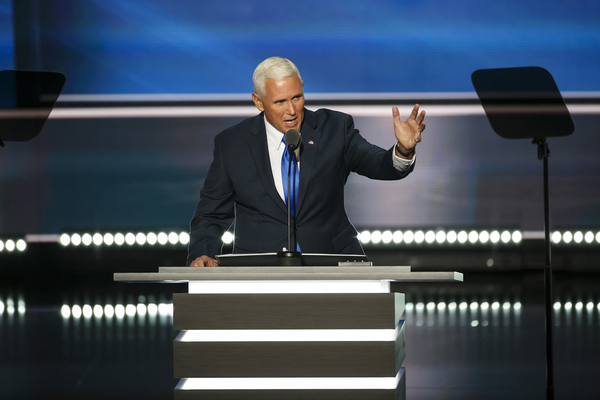
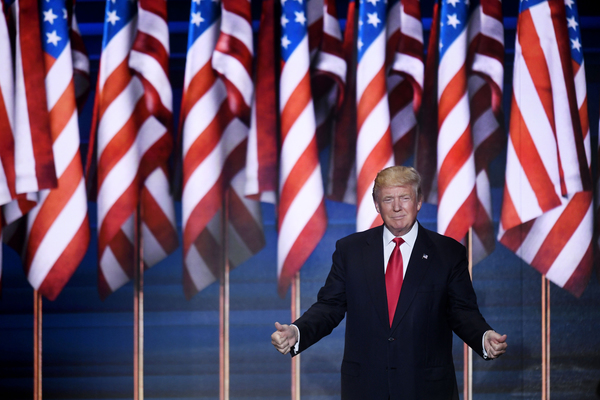
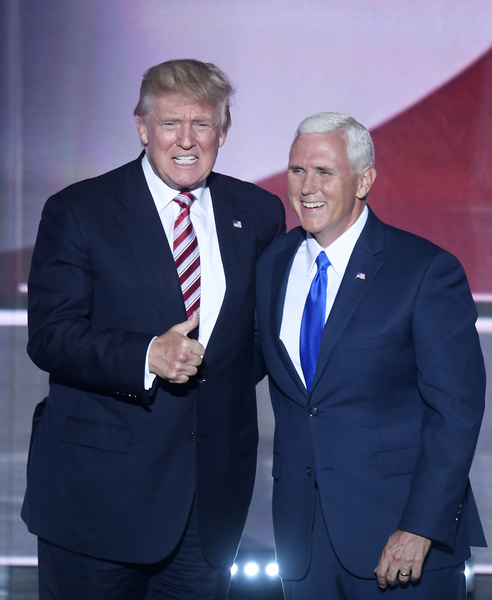
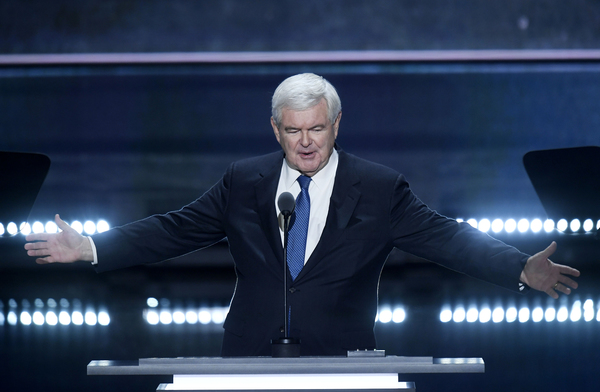
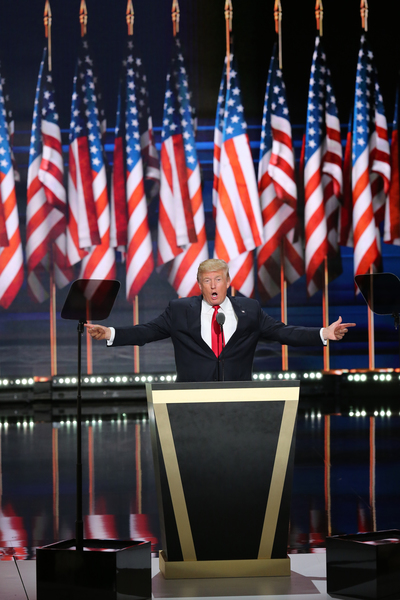
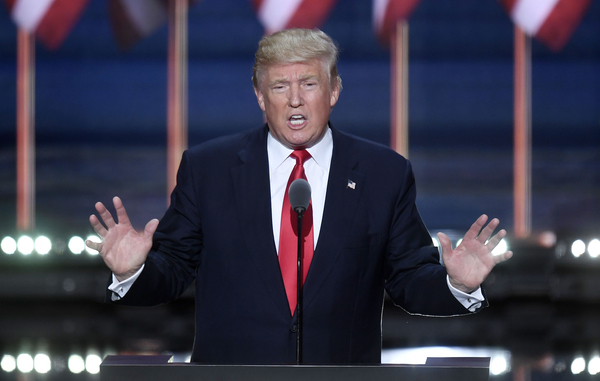
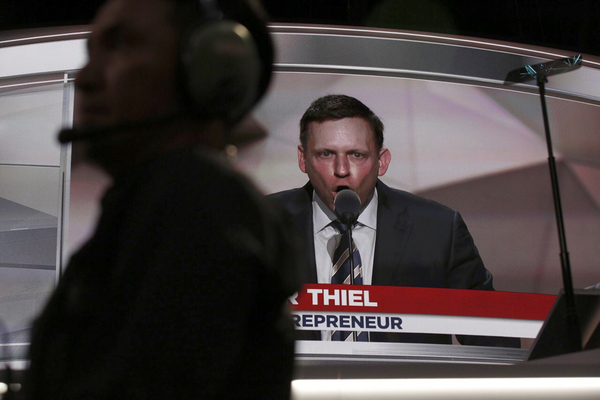
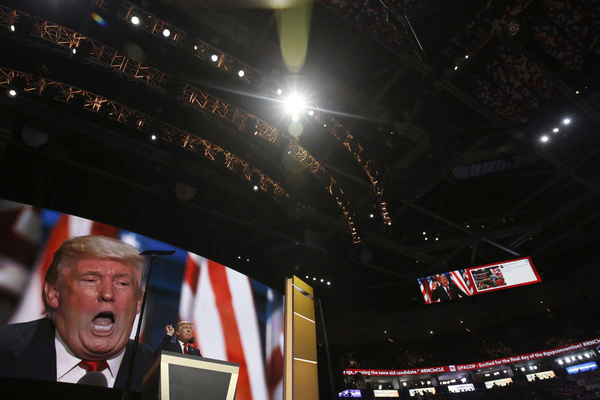
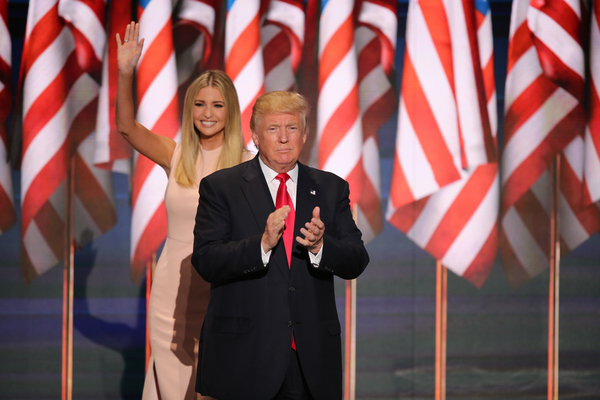
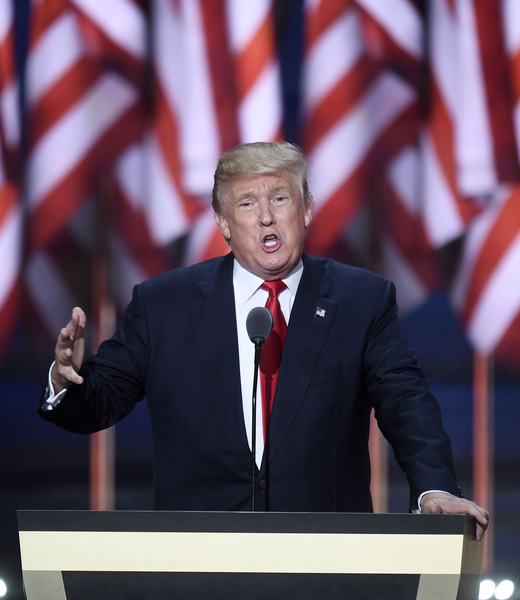
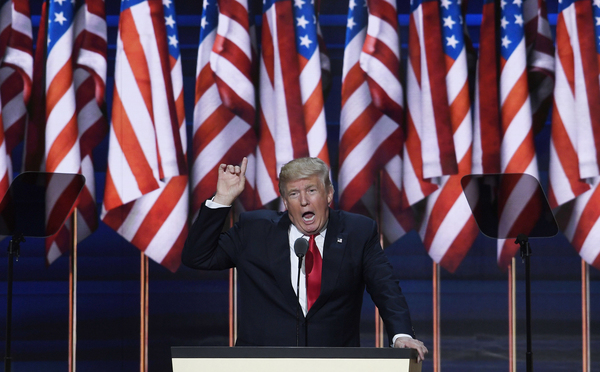
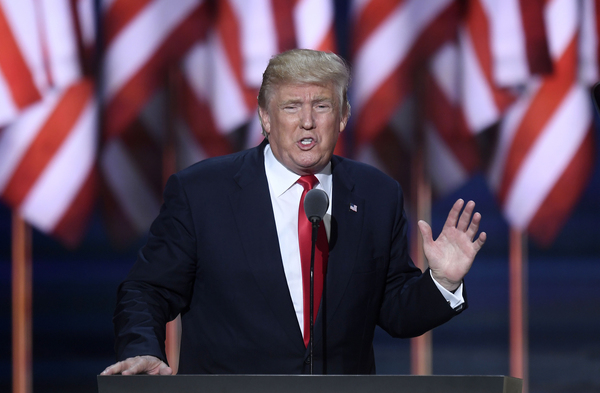
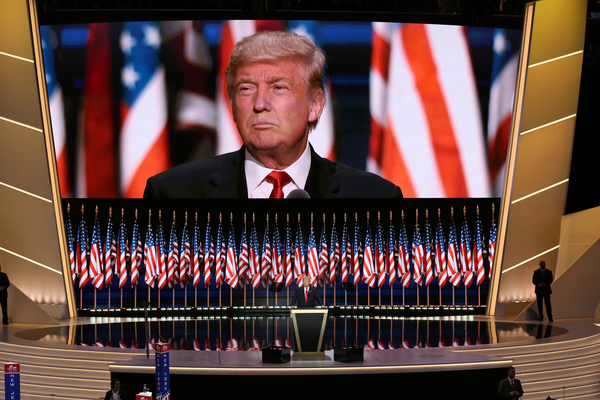
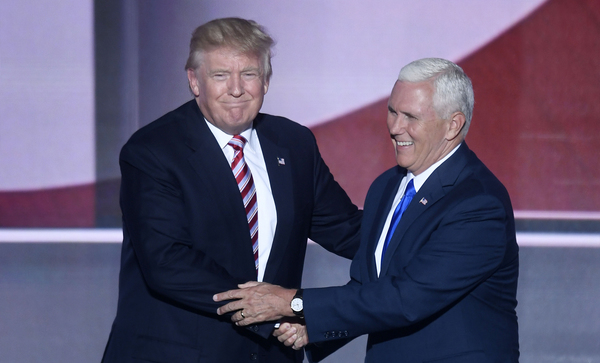
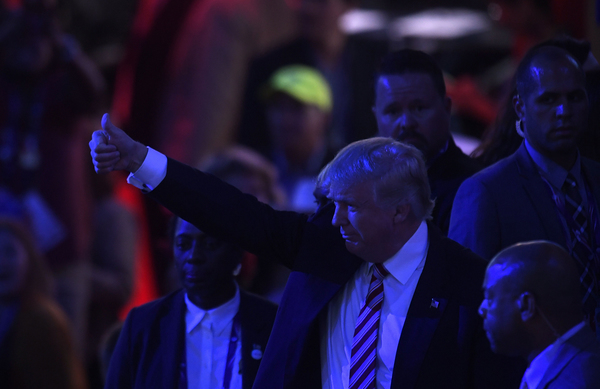
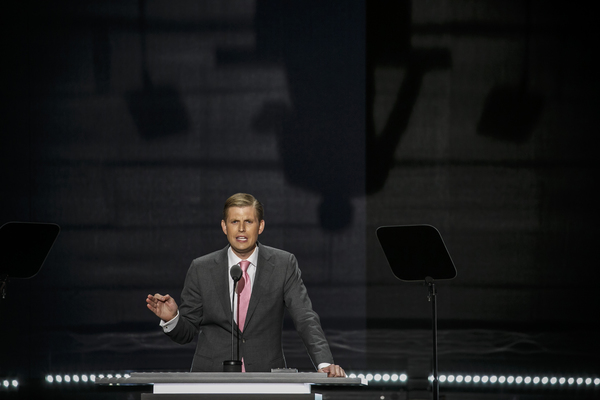
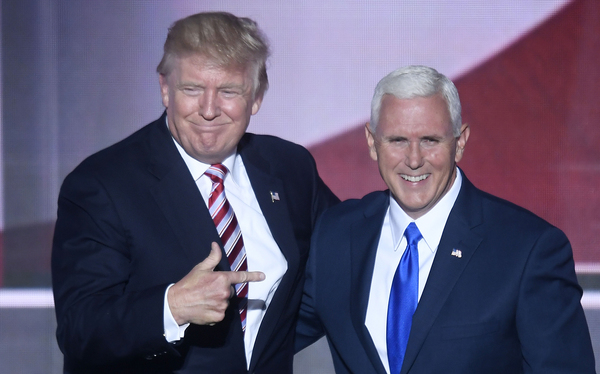
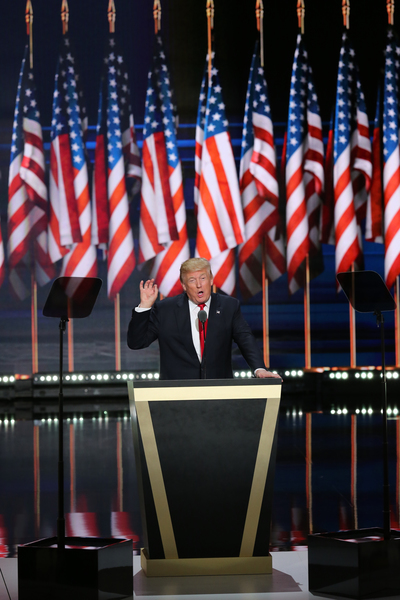
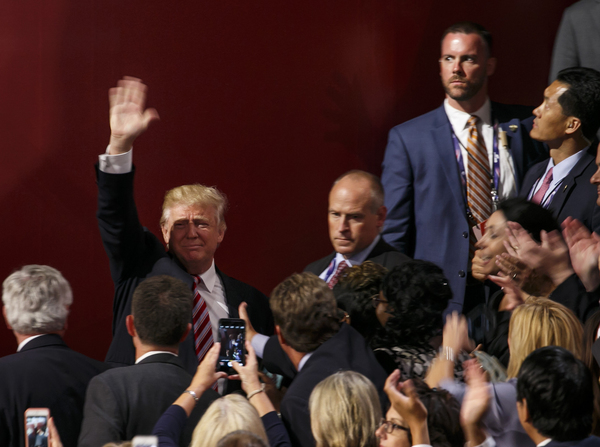
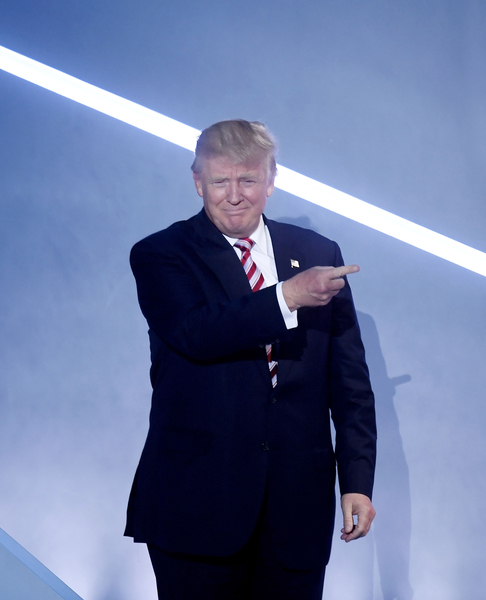
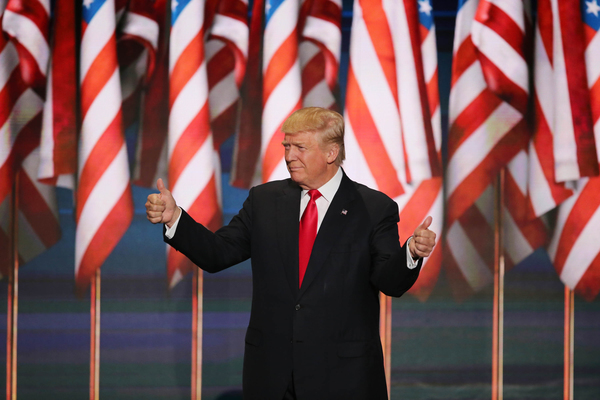
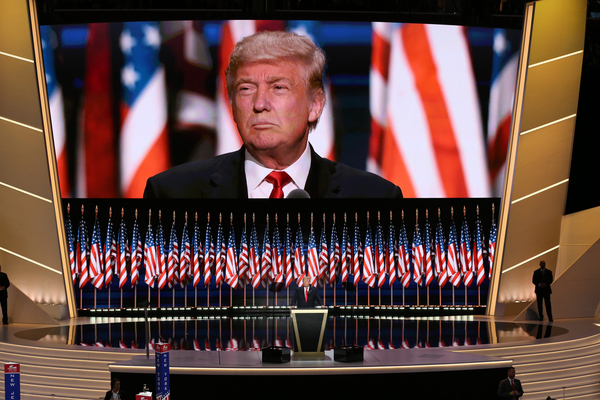
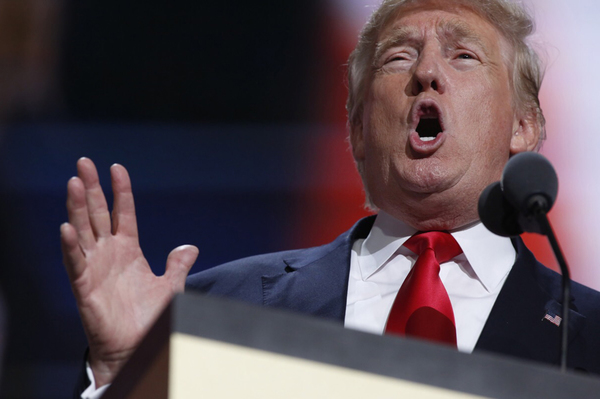
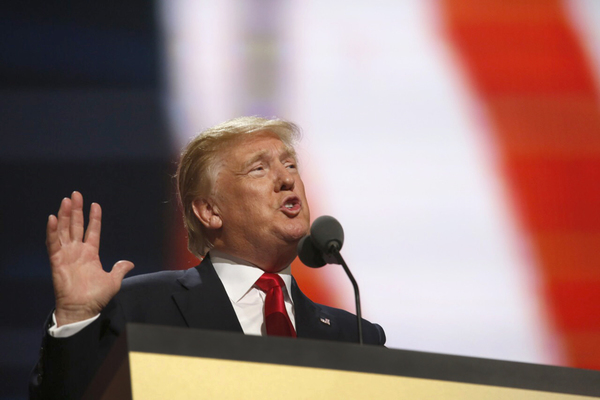
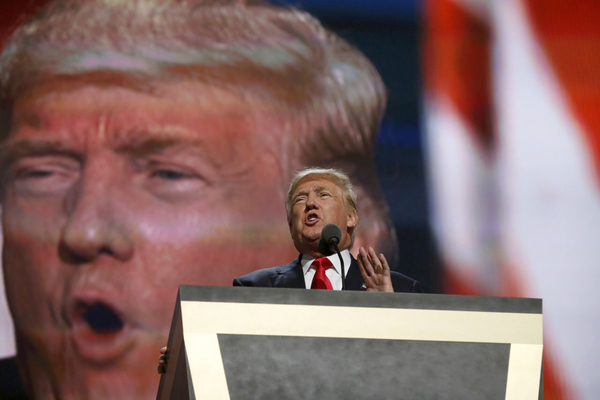
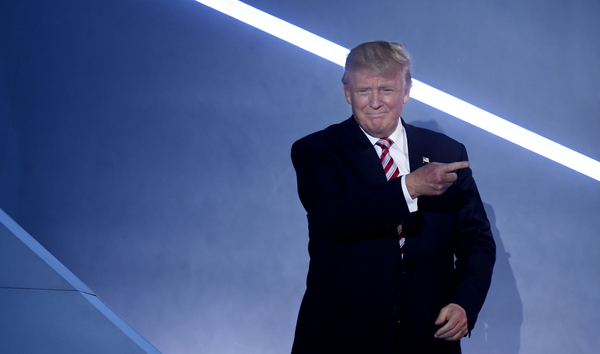
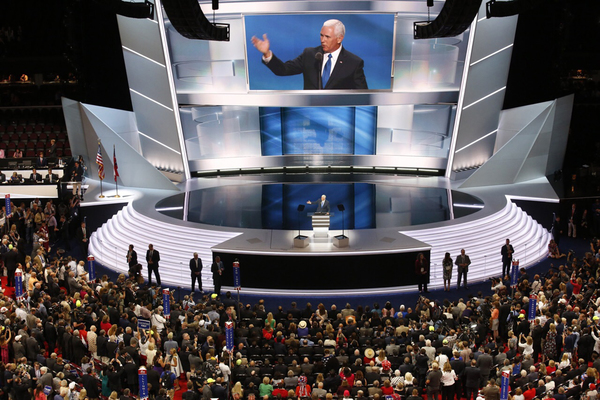
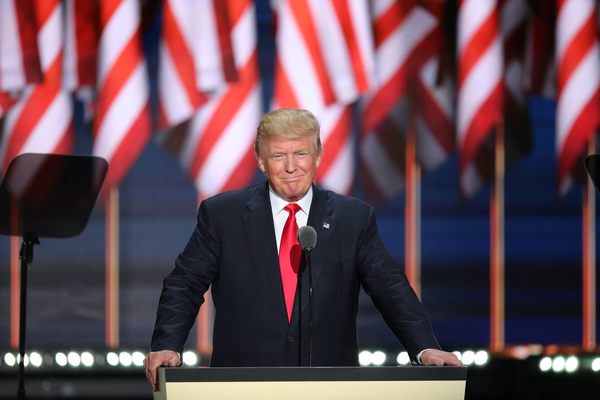
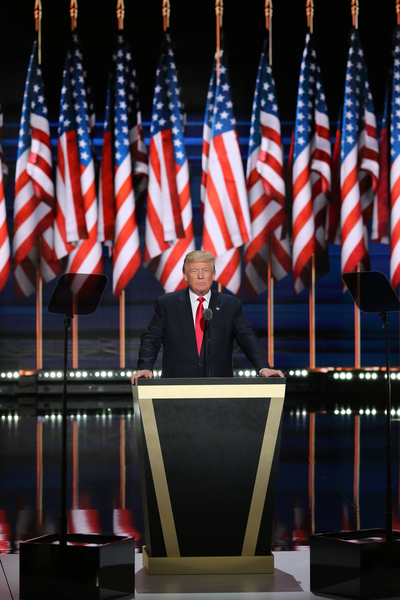
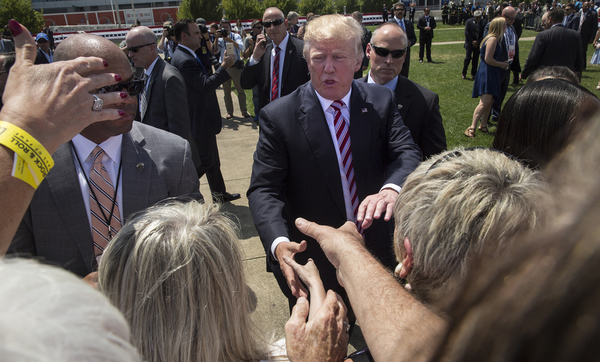
But it was a much more disciplined Trump who, reading from prepared remarks on a teleprompter Thursday night, accepted the Republican Party's presidential nomination.
Hillary Clinton, who is expected to become the Democratic nominee next week, was not "Crooked Hillary" as Trump has consistently labeled her. She was "my opponent."
And while he harshly attacked her, Trump, instead, simply said, "Lets defeat her in November."
Trump has long reveled in being the stereotypical, loud-mouthed New Yorker. Whatever he did was the biggest and the best; he was an unrepentant braggart. But he knew it and fed off it.
The presidential gravitas worthy of the position that many of his supporters, political handlers and even his family have begged him to display finally showed up.
Trump, who often speaks in half sentences, where his views on immigration and golf courses can occupy the same stream of consciousness, offered a coherent manifesto. The speech included all leitmotifs of his campaign: building a wall, banning Muslims, renegotiating "unfair" trade deals.
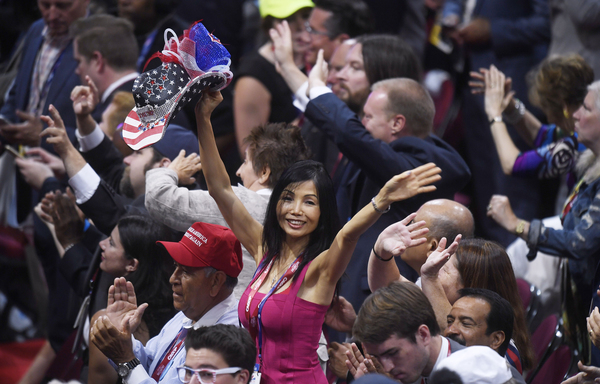
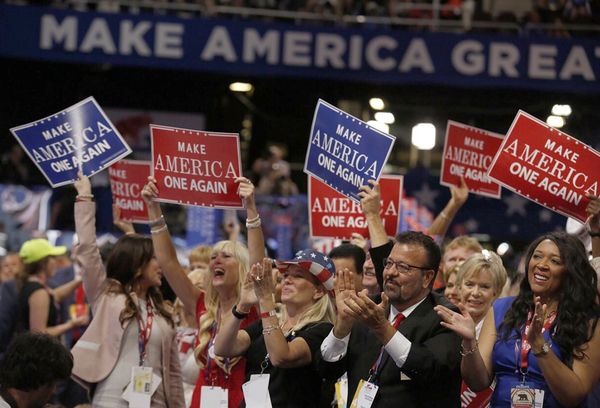
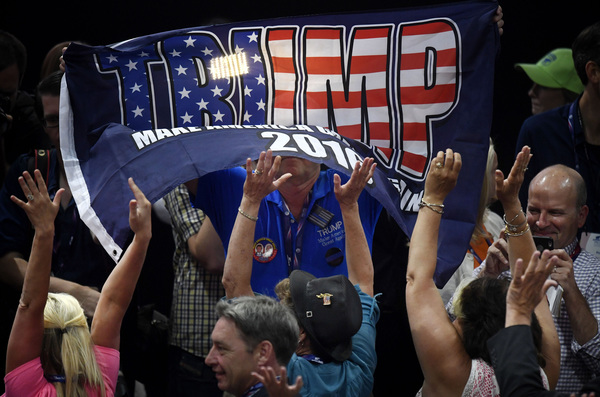
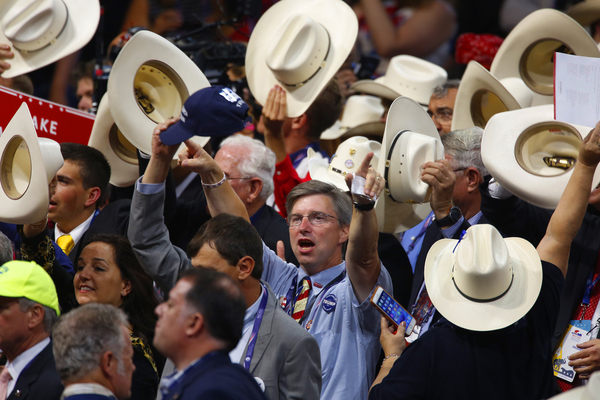
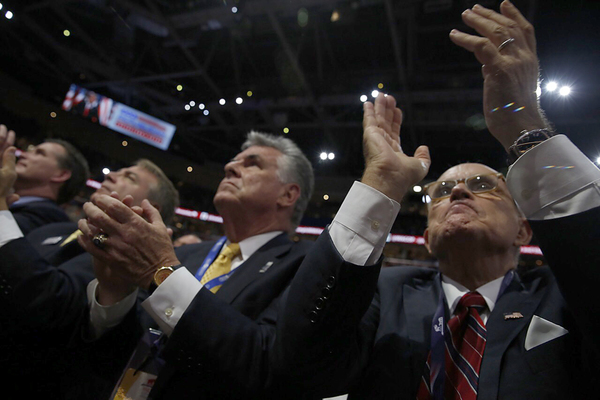
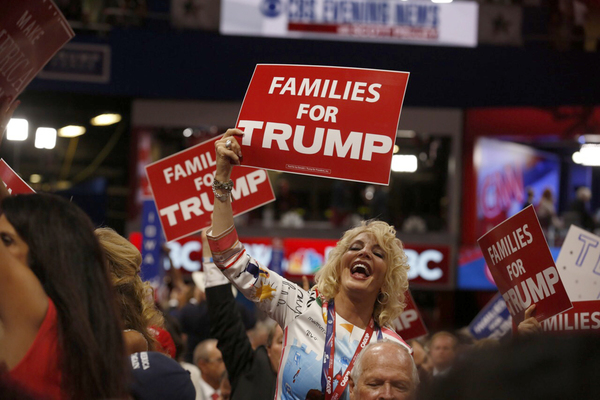
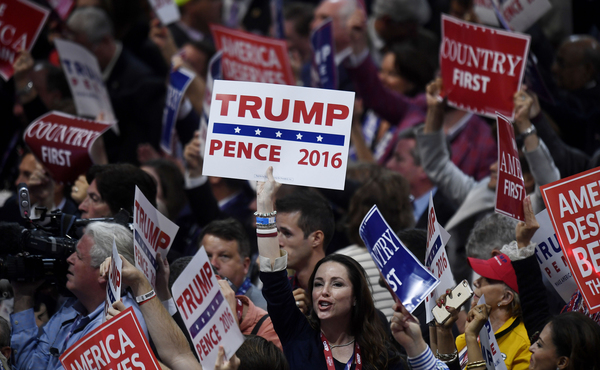
Along with: "We cannot be so politically correct any more!" he said to a roar of approval from the hall.
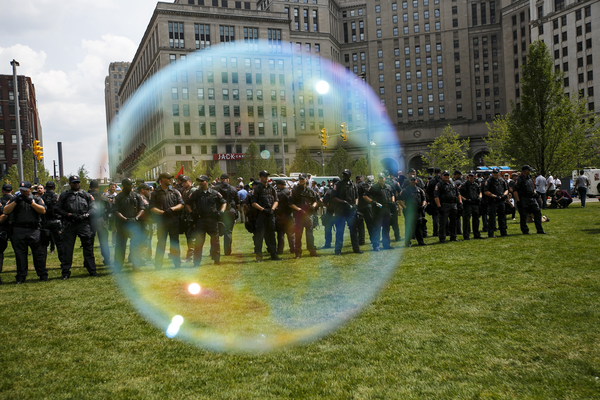
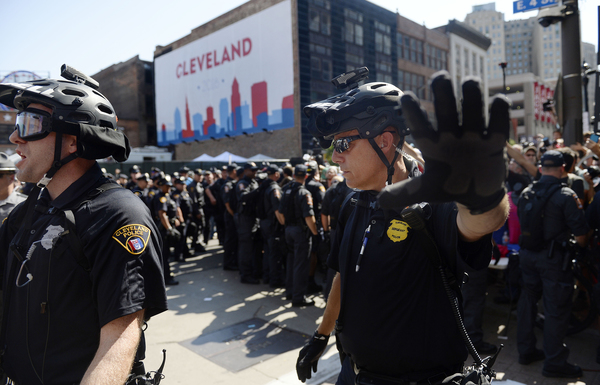
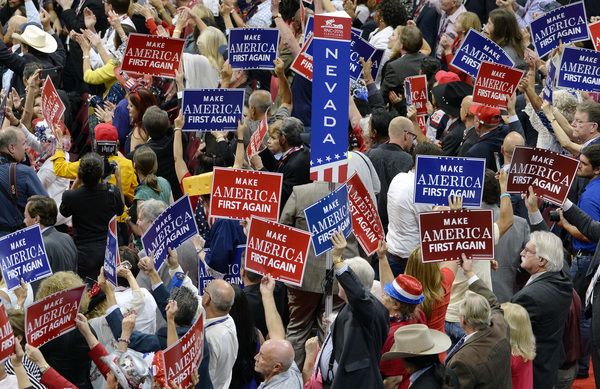
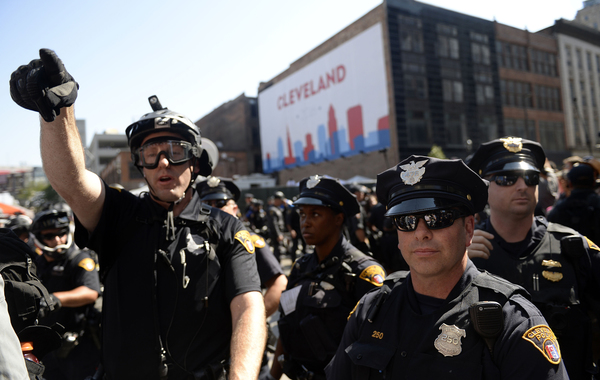
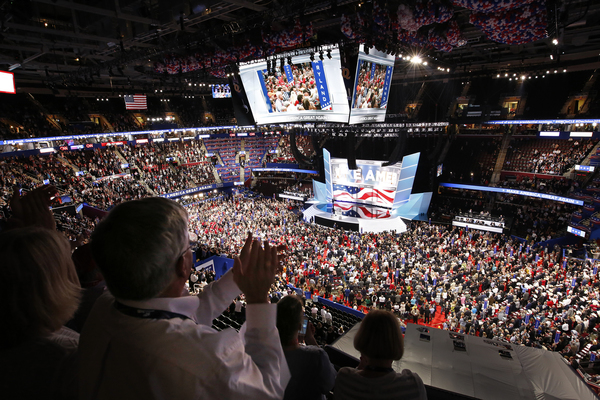
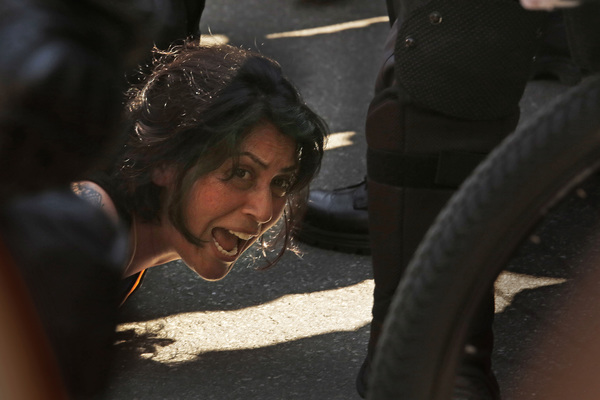
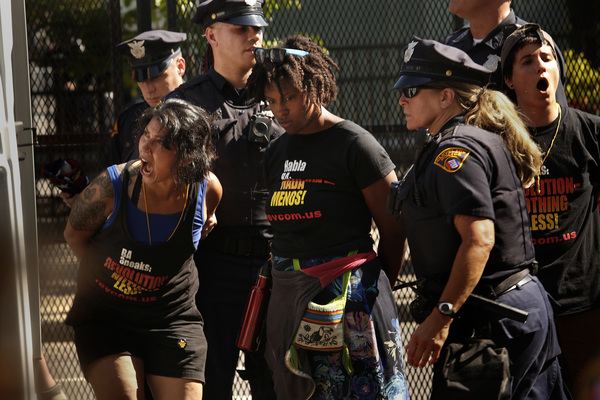
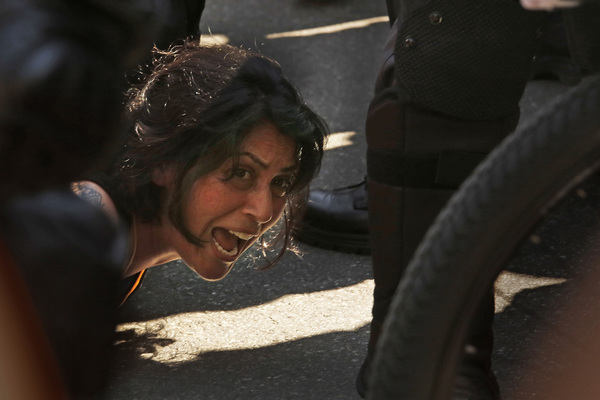
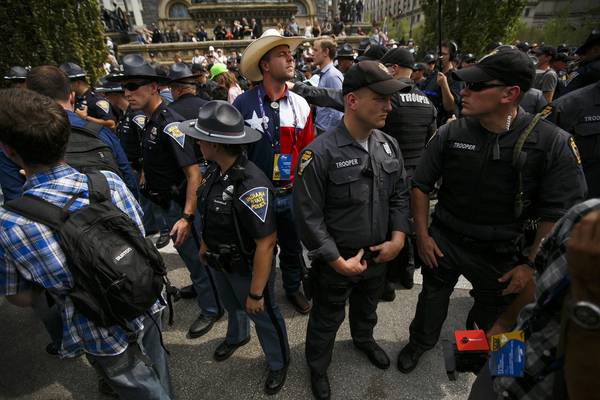
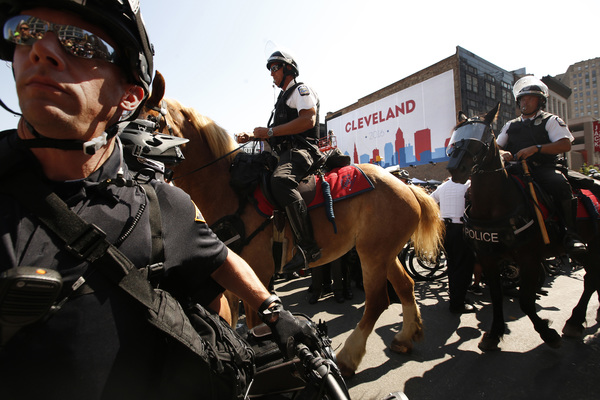
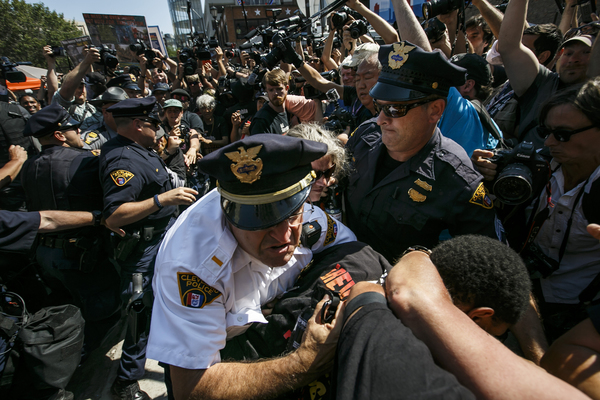
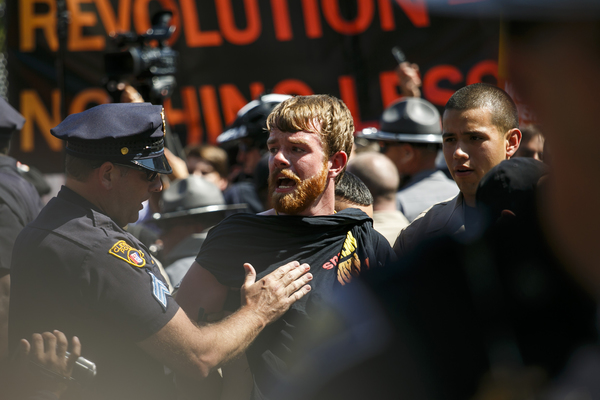
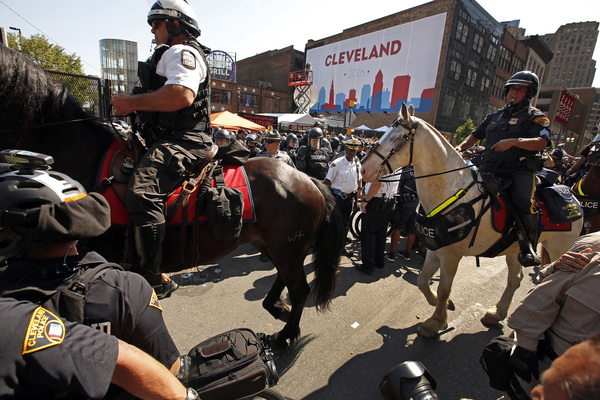
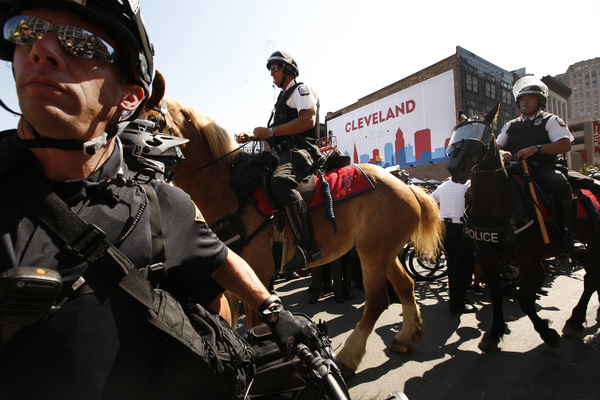
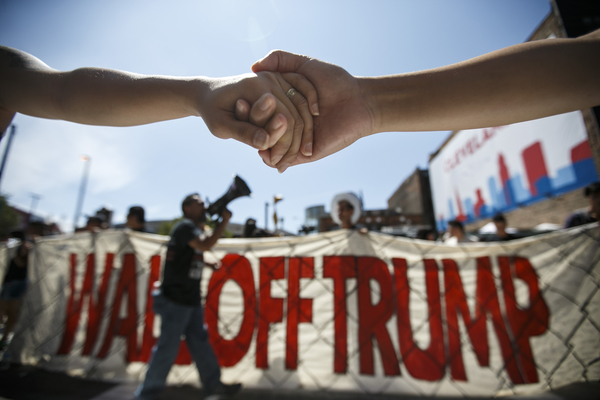
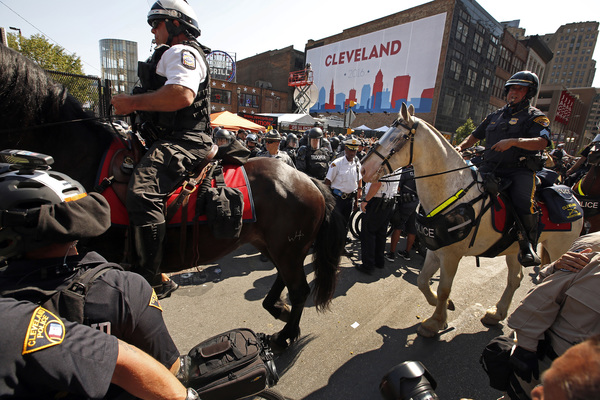
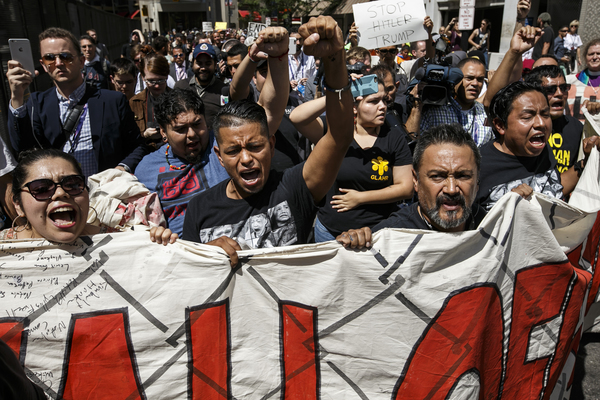
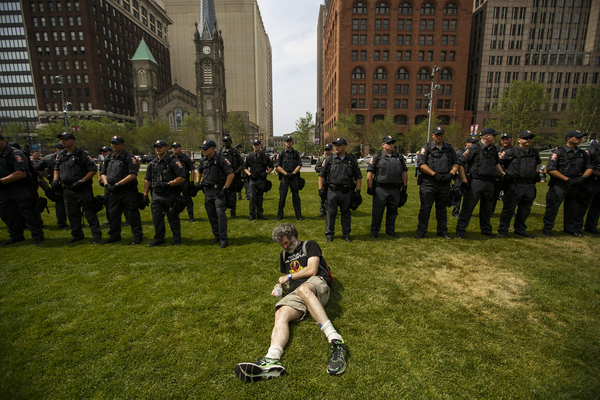
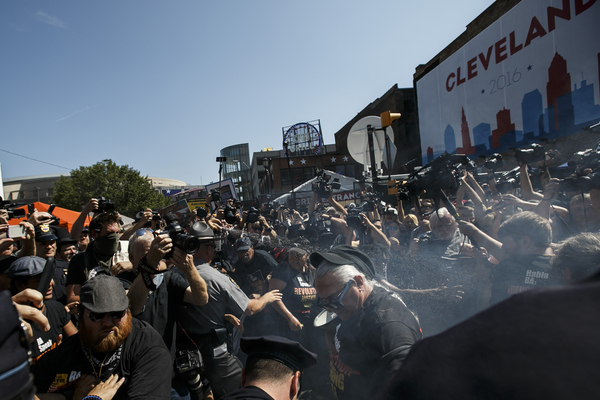
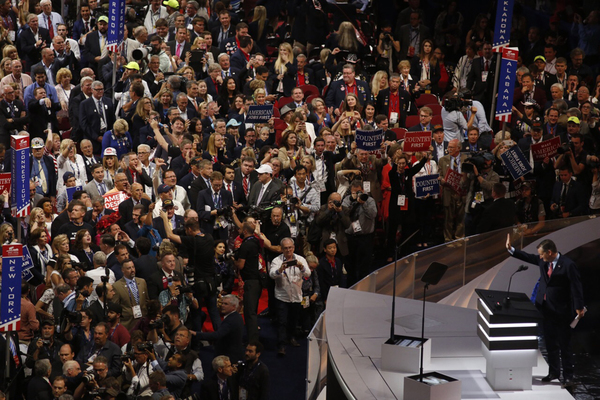
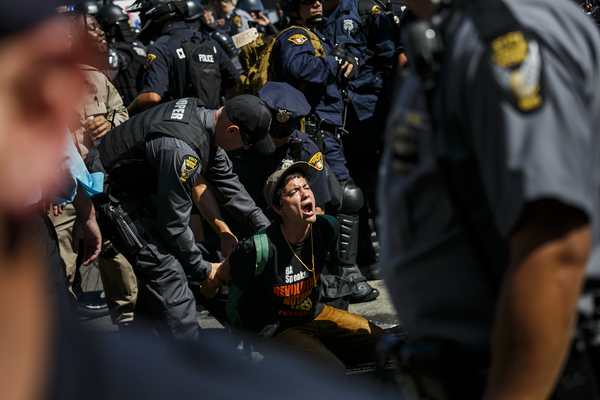
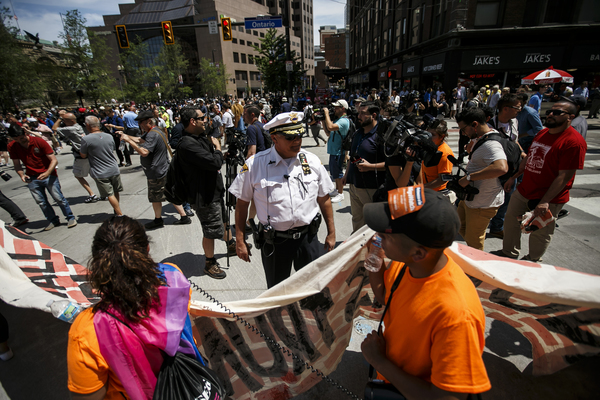
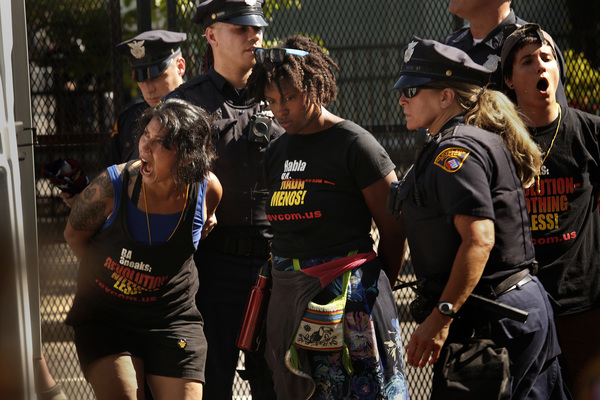
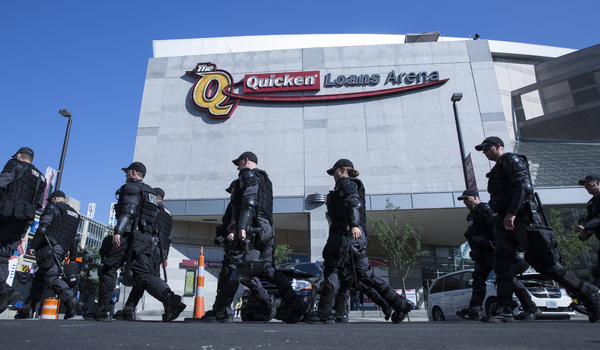
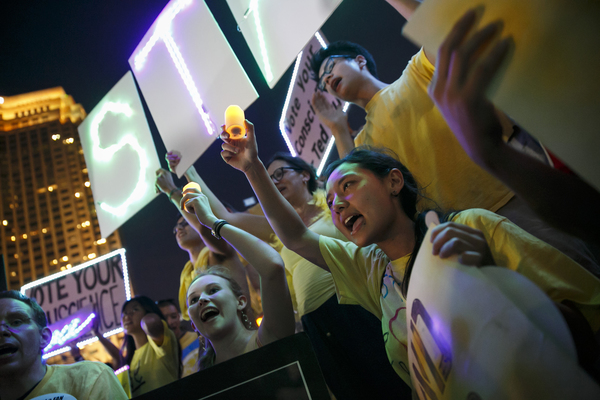
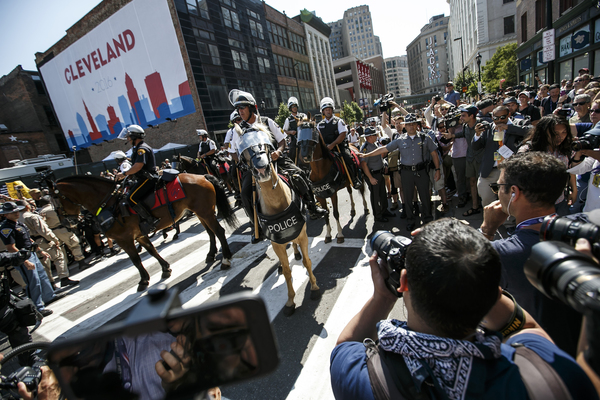
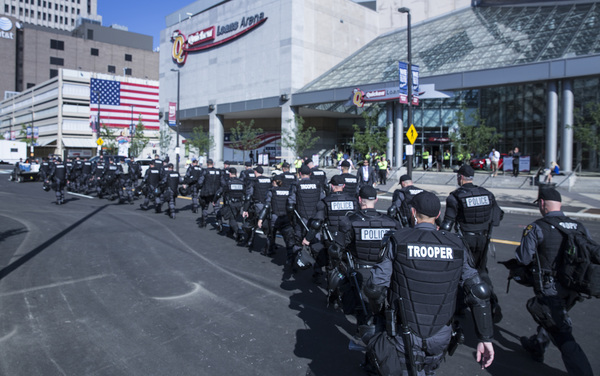
Trump was as fiery as ever. But he spoke with greater precision. When some delegates tried to stage a protest, Trump uncharacteristically waited quietly as several were escorted from the arena and diverted attention with a surefire crowd-pleaser: "How great are our police and how great is Cleveland?"
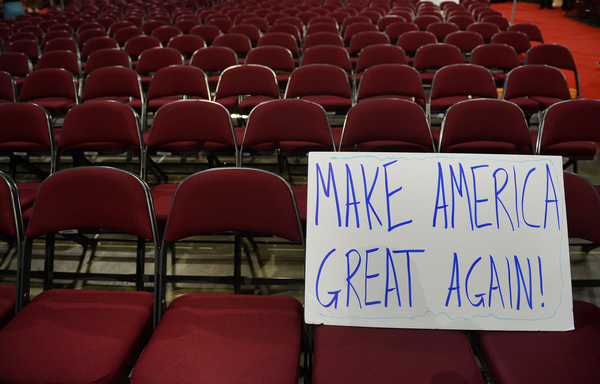
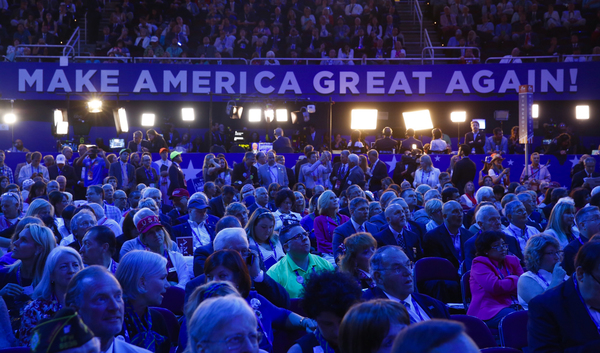
Trump's style has always been to paint in broad strokes and bright colors, like his signature, "making American great again." He was, after all, the reality TV star who made "You're fired!" a national catch phrase.
A master at branding, he invoked former President Richard Nixon's promise from 1968 to end racial strife and civil unrest, Trump called himself "the Law and Order candidate."
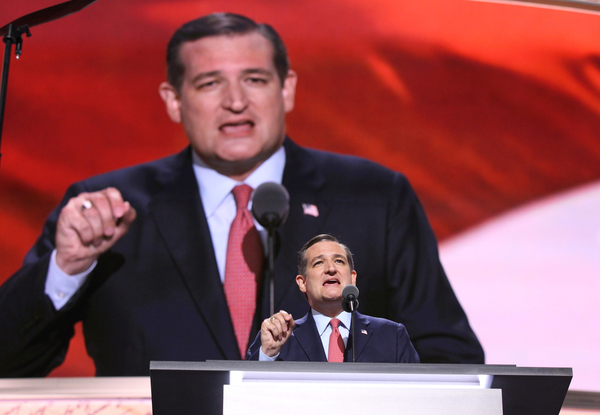
To "the forgotten men and women of our country," he pledged, "I am your voice."
And in typical Trumpian hyperbole, he said, "Nobody knows the system better than me, which is why I alone can fix it."
Trump's comfort zone has been the one-liner. He has a degree from Wharton, a premier business school, but sometimes speaks like some cartoonist's idea of a Brooklyn tough guy. Confronted with hecklers during the campaign, Trump would shout from the podium: "Get 'em out!" and "Knock the crap out of him!"
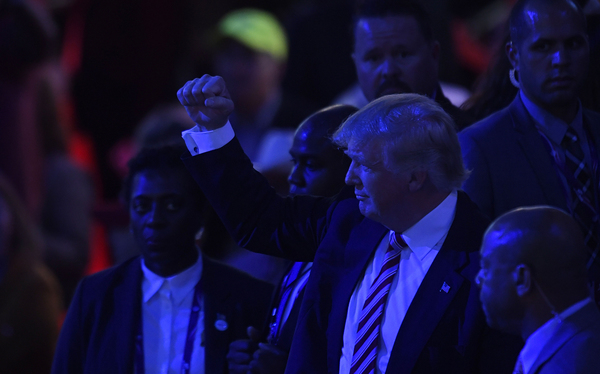
Trump 2.0, should he maintain the new persona, could be the Democrats' worst nightmare in a race that at the moment appears tight, especially in several key battleground states. A tempered Trump may have a better shot at appealing to the small, but possibly pivotal group of voters still leery of his bluster.
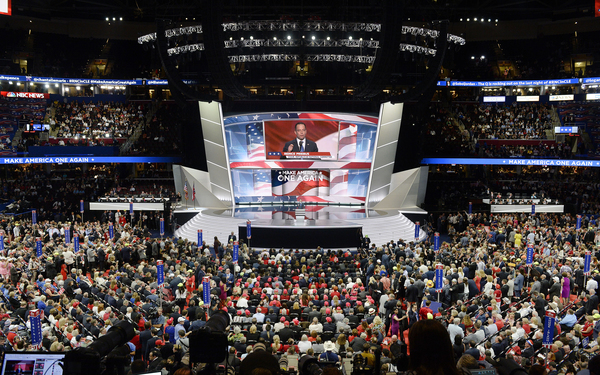
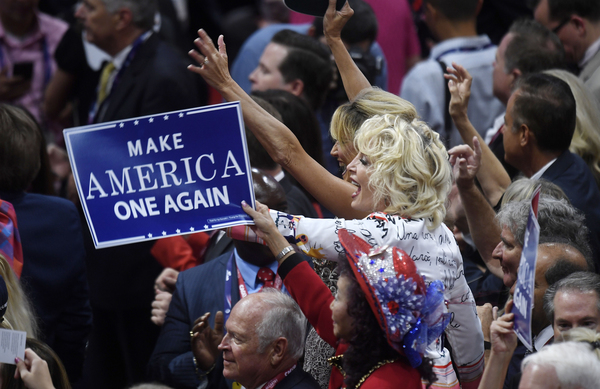
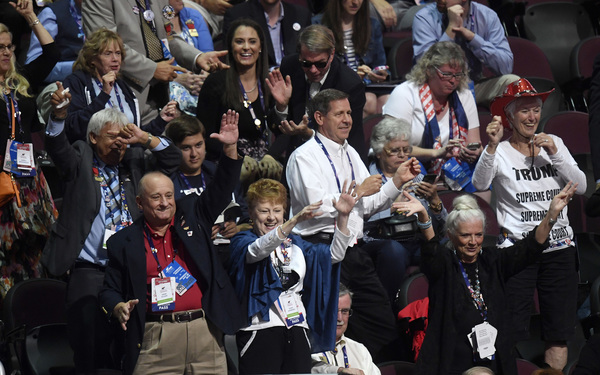
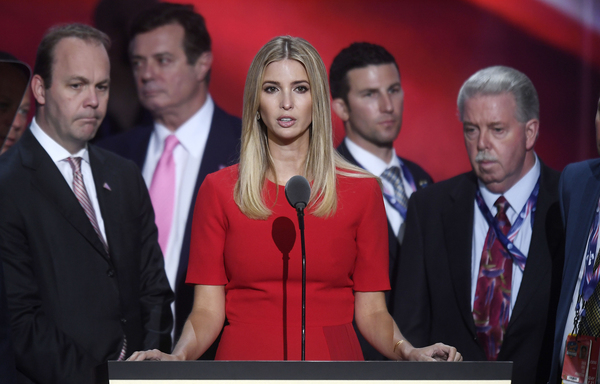
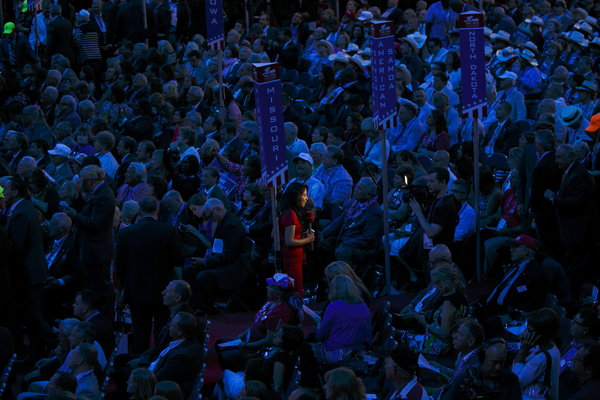
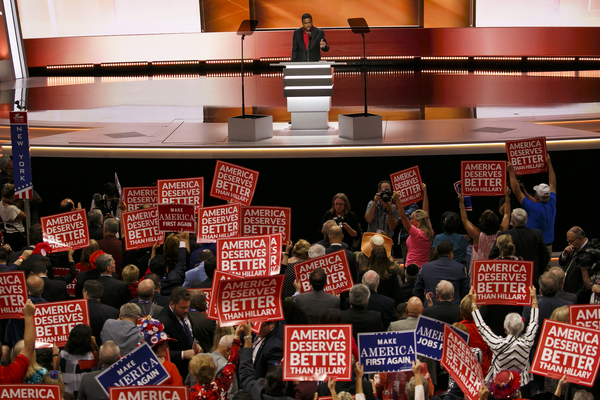
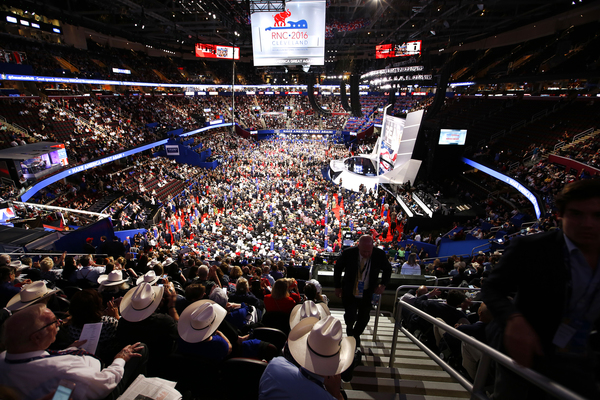
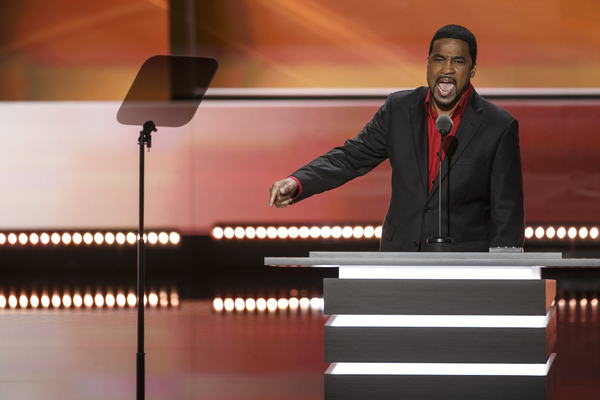
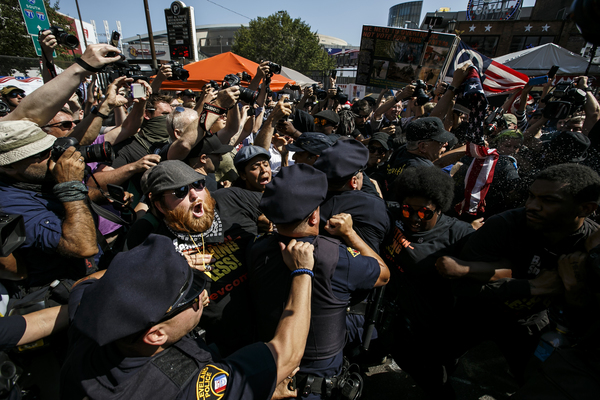
For Trump and the Republican Party, the speech could not have come at a better time, which this week struggled through one of the most chaotic political conventions in recent memory.
His campaign initially bobbled the response to charges that sections of the speech by wife, Melania, on Monday was cribbed from Michelle Obama's 2008 Democratic convention speech. But a day later, the campaign attributed the mix-up to a Trump aide, who offered an apology.
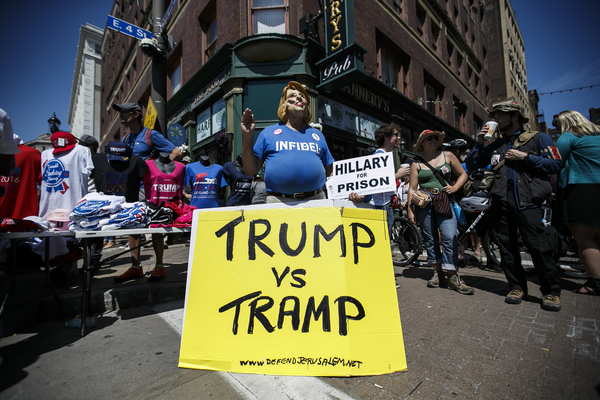
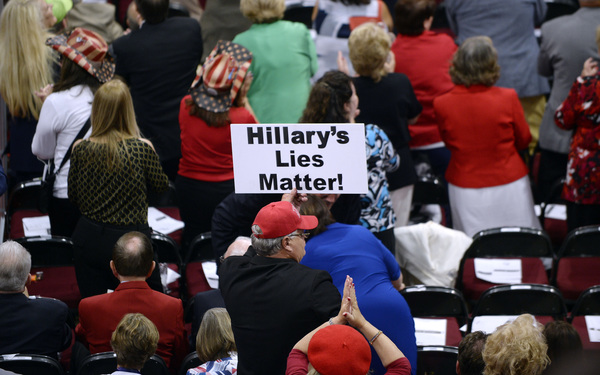
Then Republicans spent three days essentially criminalizing policy differences with the Democrats and verbally stoning Clinton.
"Lock her up!" the throng chanted. "Guilty!"
One said Clinton "should be put in front of a firing line and shot for treason."
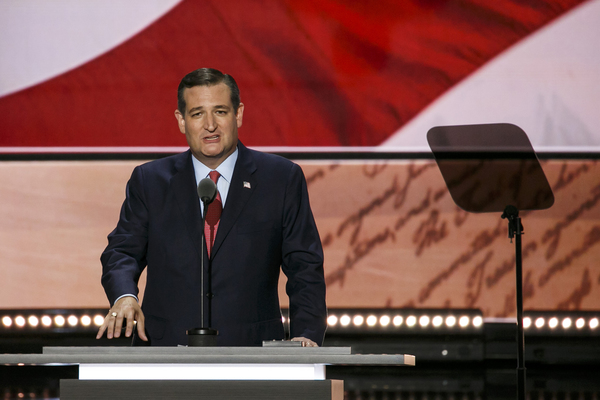
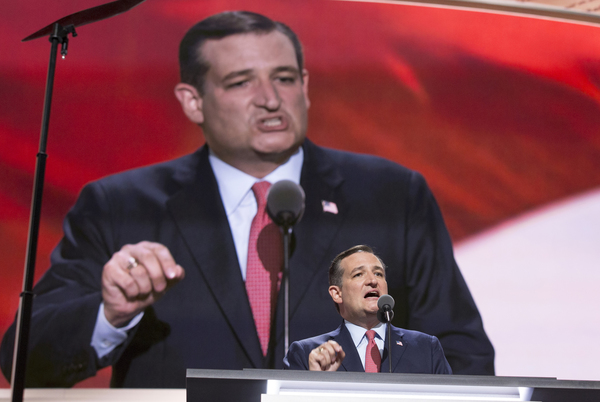
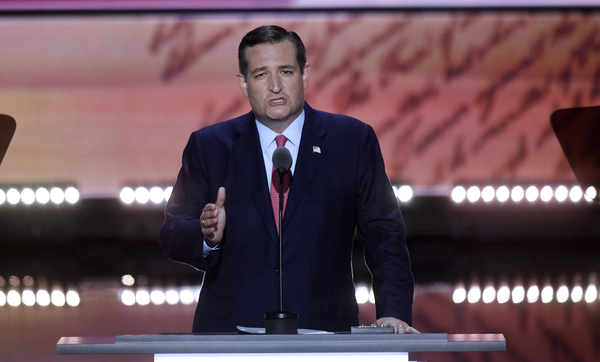
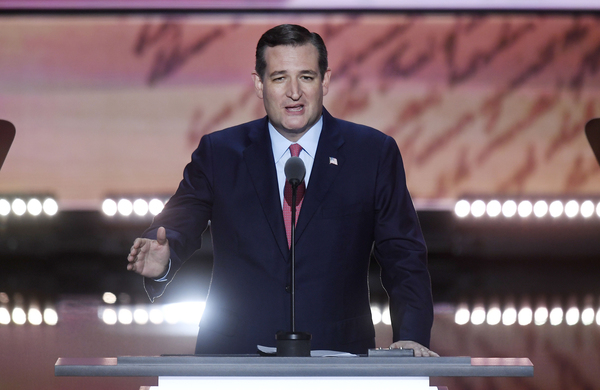
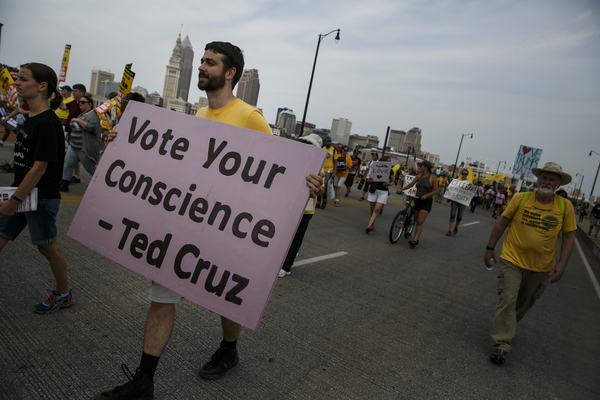
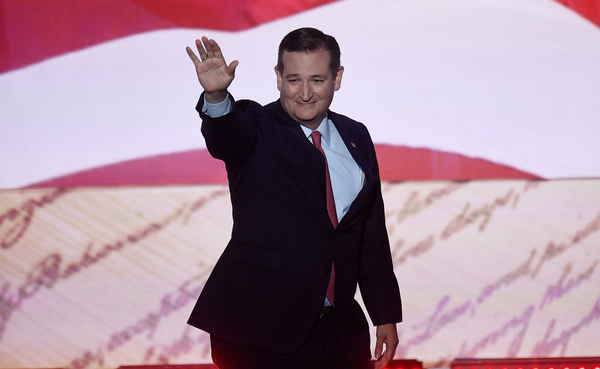
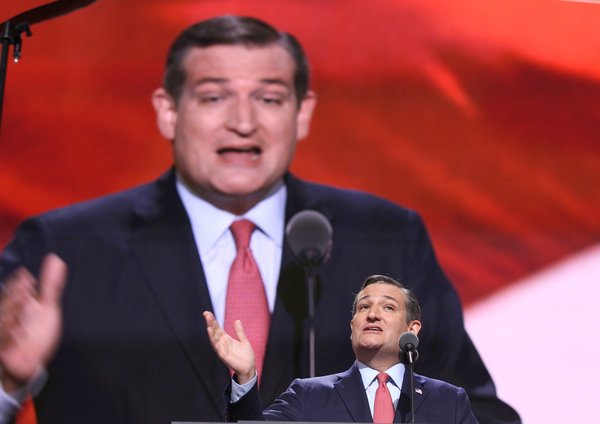
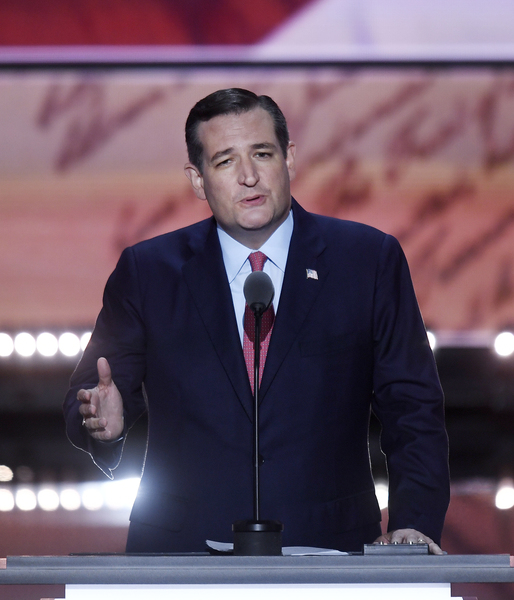
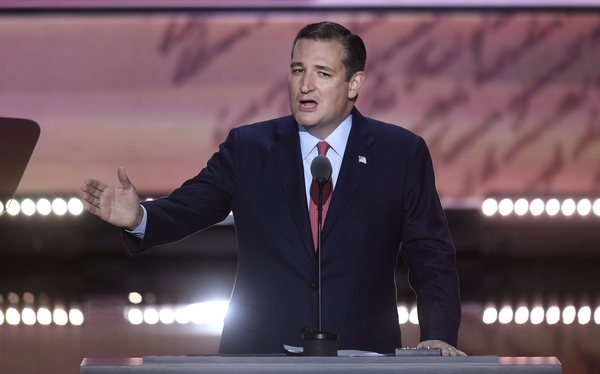
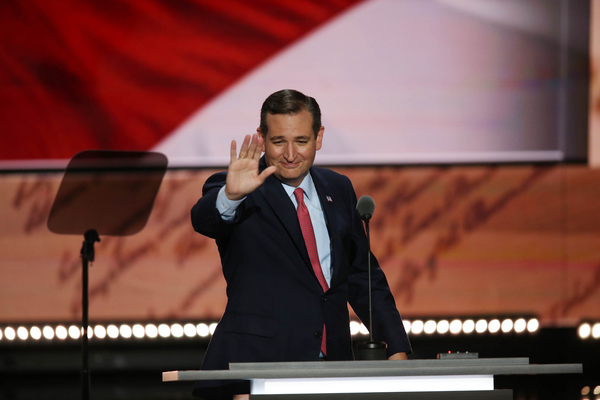
The speech was also a tonic after Sen. Ted Cruz's snub of the nominee the night before roiled the already turbulent political waters when the GOP presidential also-ran refused to endorse Trump.
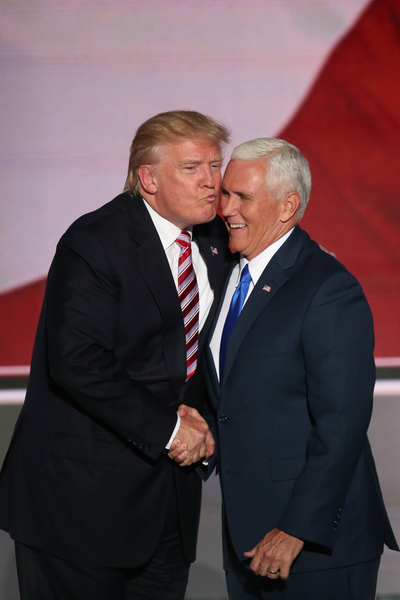
Party leaders, who never envisioned a Trump candidacy when this marathon began, also probably breathed a sigh of relief that he allowed his better angels, or at least his speechwriters, freer rein.
But the speech was unlikely to persuade conservatives who question whether the one-time Democrat is truly one of them. In the prepared text, the only mention of God was at the end when he said "God bless you" to the audience. Abortion or the sanctity of life _ key concerns for many conservatives _ were left untouched.
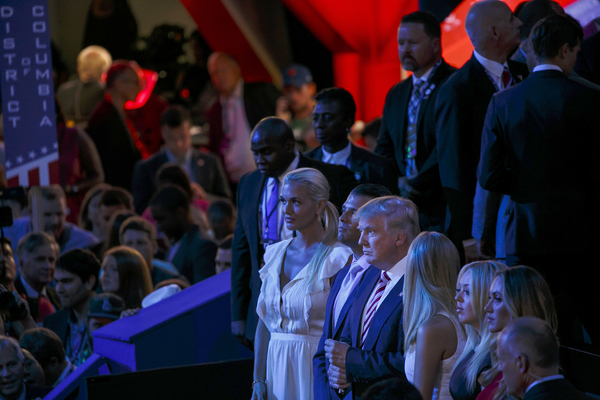
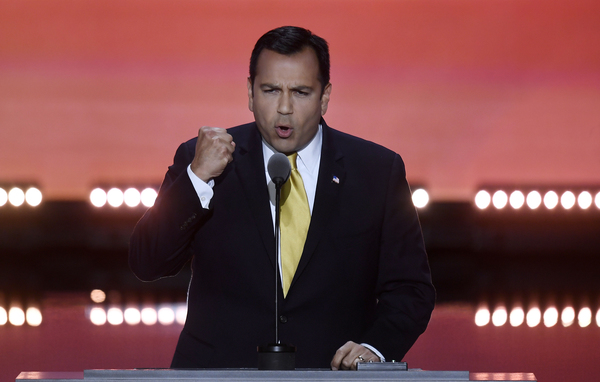
Republican National Committee Chairman Reince Priebus promised the audience that Trump would "protect the lives of the unborn."
Social issues took a back seat to tough talk on security and the economy, with Trump banking on Americans being more rattled by continued terrorist attacks and police shootings.
His one nod to cultural issues was strikingly at odds with Republican orthodoxy: citing the attack at a gay club in Orlando, he pledged as president to "do everything in my power to protect our LGBTQ citizens from the violence and oppression of a hateful foreign ideology." He also ad libbed a "thank-you" to the audience for applauding his support of the LGBTQ community. (LGBTQ stands for lesbian, gay, bisexual, transgender, and queer.)
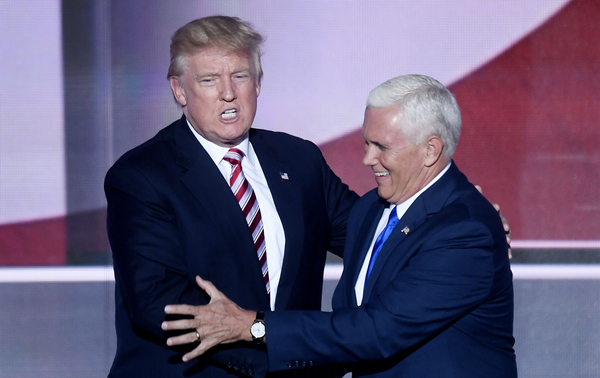
The Log Cabin Republicans, a GOP gay rights group, has denounced the party's platform as the most anti-LGBT in the party's 162-year history.
Still, the candidate who made alienation of Mexicans, Muslims, Jews, women, the disabled a campaign staple, accused President Barack Obama in his speech of using "the pulpit of the presidency to divide us by race and color."
And while Trump painted a portrait of an America haunted by crime, crime rates remain at historic lows. Challenged ahead of the speech on the use of misleading crime statistics, Trump Campaign Manager Paul Manafort questioned the validity of FBI figures, suggesting that since the agency did not criminally charge Hillary Clinton for using a private email server, its data could not be trusted.
That's the Trump style from the campaign trail. And a tamped-down version runs the risk of losing some of his luster as a plainspoken champion for the little guy.
He said it best himself, telling a crowd in Pennsylvania in April that people would be "so bored" with a presidential Trump that instead of drawing thousands, "I'll have about 150 people, and they'll say, but, boy, he really looks presidential."
Critics, though, question how long Trump will be able to remain a buttoned-up politician, pointing to his knack of stepping on his own message.
If this speech is any guide, his campaign may have found the solution. Trump's brashness was the powerful elixir that excited voters tired and frustrated with political double-speak.
The speech was another indication that with just more than 100 days until the November election, the neophyte politician is learning to listen.