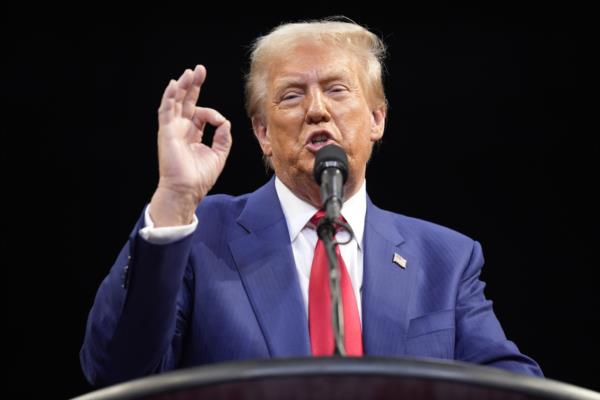
Recent legal developments have shed light on the challenges faced in prosecuting former President Donald Trump. Two significant cases, one involving classified documents and the other election interference, have encountered obstacles that have delayed any potential trials.
The indictment accusing Trump of hoarding classified documents, including revealing a secret Pentagon attack plan, was dismissed by a Trump-appointed judge on the grounds of the special counsel's unlawful appointment. Similarly, a separate case alleging Trump's involvement in overturning the 2020 election outcome was halted by a Supreme Court ruling granting former presidents broad immunity from prosecution.
Despite these setbacks, the cases continue to loom over the upcoming election, with potential implications for Trump's future. If Trump loses to Democrat Kamala Harris, he could face trial and conviction in either case if revived. On the other hand, a victory for Trump could see both cases dropped by his attorney general.
The dismissal of the classified documents indictment in Florida was particularly surprising, given the straightforward nature of the case. The legal battle between prosecutors and the judge, coupled with delays and procedural disputes, ultimately led to the case's dismissal.
In the election interference case, efforts to bring Trump to trial were met with challenges related to presidential immunity and legal complexities. The judge overseeing the case had been moving towards a trial date before it was halted due to Trump's claims of absolute immunity.
Overall, the delays and complexities in prosecuting Trump underscore the difficulties of holding a former president accountable. The outcome of these cases remains uncertain, with potential implications for Trump's legal standing depending on the election results.