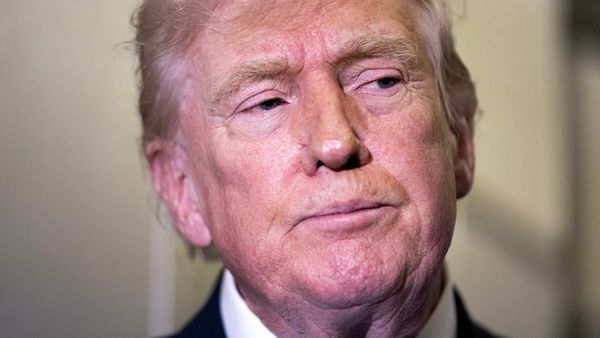
During the ongoing criminal hush money trial involving former President Donald Trump, the speculation surrounding his potential testimony has been a focal point. Despite Trump's statements expressing willingness to testify, his legal team ultimately decided against it. The decision not to have Trump take the stand was likely influenced by the potential challenges he would face under cross-examination, including the admission of prior bad acts as evidence.
With the trial proceeding, Trump's lawyers rested their case after calling only two witnesses, neither of whom was Trump himself. The trial is now moving towards closing arguments, with the jury expected to reconvene for deliberations next week. Legal experts suggest that Trump's absence from testifying was a strategic move to avoid the risks associated with facing tough questioning from prosecutors.
As the trial nears its conclusion, the prosecution will aim to simplify the evidence presented to the jury and emphasize the connection between the evidence and the charges at hand. They will need to underscore their arguments effectively to secure a conviction. On the other hand, the defense is likely to focus on discrediting prosecution witnesses, particularly Michael Cohen, and distancing Trump from any alleged wrongdoing.


During the charge conference, both sides debated the charges that would be presented to the jury and the wording of those charges. The defense is expected to argue that any payments made were not for campaign purposes but rather to protect Trump's personal life. They will also seek to portray Trump as unaware of the events in question.
As the trial heads towards its conclusion, the prosecution and defense will make their closing arguments, each aiming to sway the jury in their favor. The outcome of the trial remains uncertain, with the closing arguments playing a crucial role in shaping the jury's decision.