Cheap, affordable cars have all but disappeared from showrooms, replaced by high-priced crossovers and SUVs that many Americans can’t really afford. That’s a problem in 99 percent of the country where a vehicle is required for daily life. If you have a job, go to school, or want to buy groceries, you need a car.
And you don’t want just any car—you probably want something that’s at least reliable. A safe car would be nice, too, but if you’re just scraping by, like millions of others, then you know that even safety is a luxury you can’t truly afford.
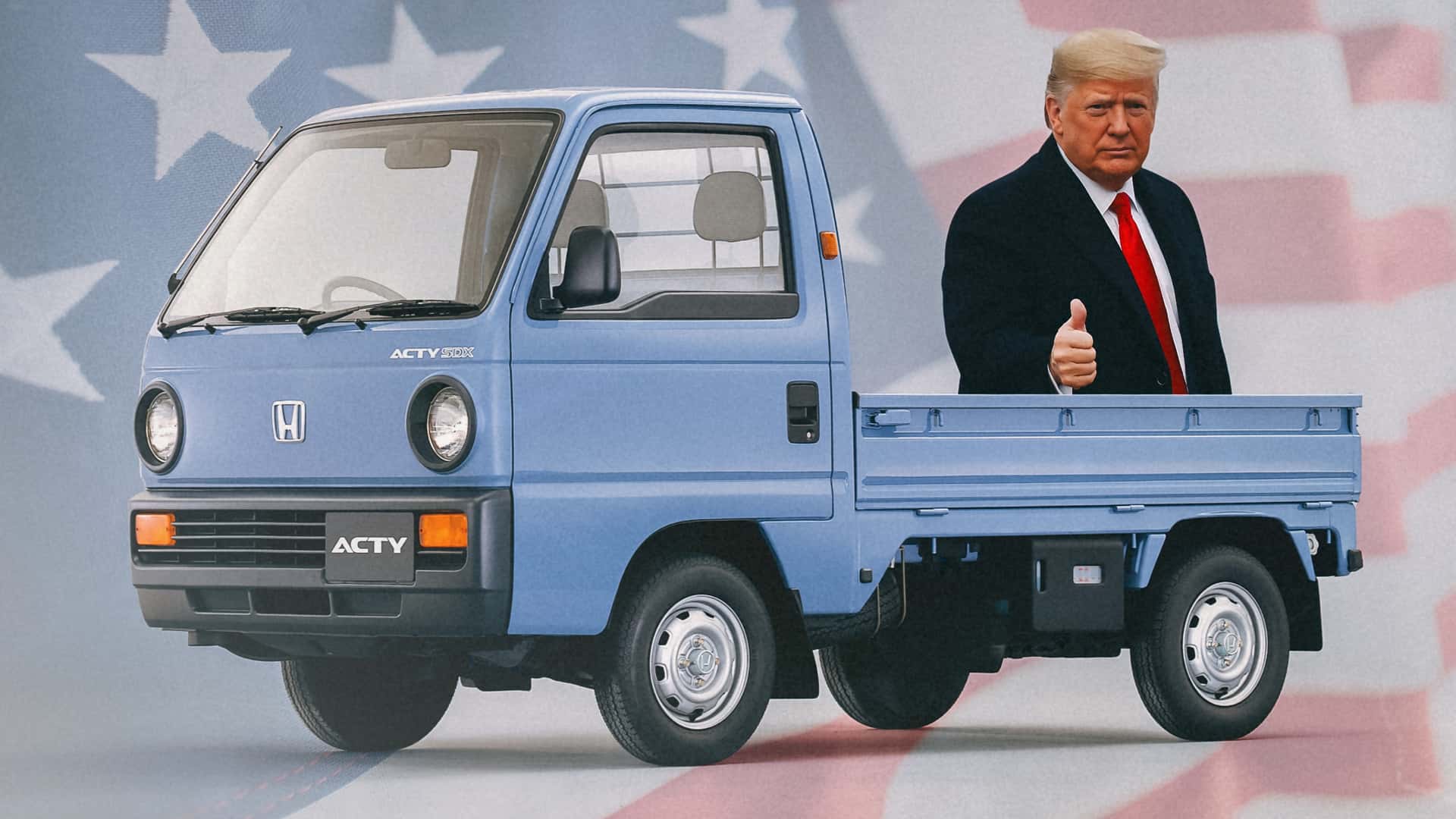
New car prices are hovering around $50,000, and the latest data shows the average monthly new-car payment is $750. That’s unsustainable, and President Donald Trump believes tiny Asian Kei cars might be the savior cash-strapped Americans need.
Trump called them "really cute" earlier this month and said that he instructed his Secretary of Transportation, Sean Duffy, to "immediately approve the production of those cars." Duffy quickly followed up Trump’s remarks by saying, "We have cleared the deck," so automakers "can make them in America and sell them in America."

It remains unclear exactly what is changing to allow automakers to produce Kei cars in the US, but doing so would be a mistake that defeats the entire purpose of these vehicles. Instead of forcing companies to build them here, which would greatly increase costs for consumers, just let people import new ones built in Asia.
It seems like a radical idea. Some will claim they’re unsafe for American roads, that they will undermine the strength of American manufacturing, or that no one truly wants these little runabouts.
None of those are good arguments as to why we need to prevent Americans from buying and driving them—we already allow unsafe, unregistered, and unregulated vehicles on our roads. Drive across America’s great vastness, and you will find yourself stuck behind a slow-moving tractor with an instrument of death attached to the front or an Amish horse and buggy.
Venture into the towns, and you’ll find bicycles, mopeds, golf carts, lawnmowers, and other vehicles operating on public roads that a normal car would obliterate in a collision. Despite these vehicles failing to meet the federal safety standards of new cars, many states allow people to operate various types of low-speed vehicles (LSVs).
It remains unclear exactly what is changing to allow automakers to produce Kei cars in the US, but doing so would be a mistake that defeats the entire purpose of these vehicles.
The Federal Motor Vehicle Safety Standards (FMVSS) have a specific exemption for LSVs, limiting their speed to 25 miles per hour on roads with speeds of 35 mph or less. Instead of changing the federal regulations that prevent automakers from building them here, which appear nonexistent, the administration should focus on changing the rules that prevent people from buying, importing, and registering new Kei cars in America.
Nothing is stopping the federal government from suggesting an amendment to current regulations to create a new class that encompasses newly built Asian Kei cars. One can hit highway speeds in the right conditions, but 50-60 mph is near the max, which seems far safer than bicycles and tractors on most American roads.
Slap them with restrictions that keep them off highways, as we do with other LSVs, and give struggling consumers a bit more freedom with their financial decisions.
Forcing automakers to build these vehicles in the United States would require substantial investment and planning that would only increase costs for consumers. There’s little to no reward for an automaker to choose to build and sell these vehicles here when Americans might not even want to buy them.
No company is going to break ground and pour billions of dollars into new facilities just to bring cheap microcars to America without knowing they can sell them. Even though consumers can’t import new Kei cars into the United States, they can import ones that are 25 years or older—and our ports aren’t packed with tiny vintage Asian trucks and vans.
They are a niche product. They’re small, underpowered, and designed for basic mobility, making cars like the Nissan Versa look like a luxury option by comparison, which includes far more standard technology and safety features than a Kei car.
A Department of Transportation spokesperson also told us that these vehicles will still have to meet federal safety laws, which would also increase the costs for buyers and further defeat the purpose of the whole endeavor.
The FMVSS has very specific crash test standards for new vehicles that Kei cars currently don’t meet. This will require automakers to homologate these vehicles to American safety standards, and that’s expensive. While nothing is stopping a company from building them here, Kei cars might not be profitable enough to justify the investment and might not turn out to be the financial solution struggling Americans need.
And even if Americans could just import new Kei cars, there is still the issue of the Chicken Tax, which imposes a 25 percent tariff on imported light-duty trucks. This would prevent companies from importing Kei trucks, and we don’t expect the government to ever repeal this law, so there’s little hope these affordable vehicles will ever go on sale in the US as intended.
There’s a dire affordability issue with new cars. Small, cheap ones from Asia look like the road to financial freedom compared to a $65,000 Ford Explorer, but only if the price tag remains low—and the administration’s current efforts won't achieve that.
And Americans might not want to buy them anyway.