The family of Alejandro Carranza Medina, a 42-year-old Colombian fisherman, has petitioned the Inter-American Commission on Human Rights (IACHR) with the complaint that alleges how Carranza's boat was bombed on 15 September 2025 by the US military 'without identification of the individuals aboard' and that he was 'unlawfully killed'.
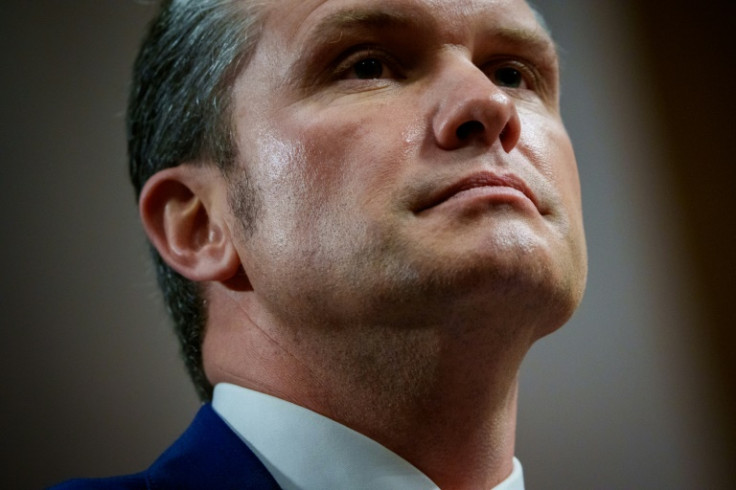
Filed by human-rights lawyer Dan Kovalik, the complaint names Pete Hegseth, the US Secretary of Defense, as the responsible for the incident. It notes that Hegseth publicly authorised a wave of strikes on vessels alleged to carry narcotics, yet admitted that target identification was often unclear.
The IACHR petition argues the attack violated rights to life and due process under international human-rights law.The family's demand is clear, a rightful compensation and an immediate end to the boat-strike campaign.
Sudden Shift From Interdiction to Lethal Force
The strike that killed Carranza occurred in the broader context of a sweeping military campaign launched by the US in September 2025 targeting vessels allegedly run by drug traffickers. According to public records, 21 strikes have been disclosed so far, resulting in at least 83 deaths.
The campaign marks a sharp departure from traditional maritime interdiction, in which suspected traffickers would be boarded and arrested or handed over for prosecution. Instead, the administration chose lethal force as the first resort.
Legal analysts have warned that this move could amount to extrajudicial killings under both US and international law. Smuggling drugs, they argue, does not constitute an 'armed attack' that would justify the use of military force under the self-defence doctrine.
Human Rights Outcry and Regional Condemnation
The strikes have drawn sharp condemnation from human-rights organisations and international institutions. The United Nations Human Rights Office (OHCHR) has called the killings 'unacceptable' and urged the US to cease the operations.
Advocacy groups, including the American Civil Liberties Union and the Center for Constitutional Rights, have filed formal requests under the US Freedom of Information Act seeking internal legal memoranda that purportedly authorised the strikes. They argue the public deserves transparency and accountability.
In Latin America, reactions have ranged from outrage to diplomatic tension. The government of Colombia, led by Gustavo Petro, has demanded accountability. Petro described Carranza's killing as 'murder' and condemned the strikes as a violation of Colombian sovereignty.
Heightened Risk For Trump
The filing of the IACHR complaint places a new spotlight on potential international-law consequences for US operations in the Caribbean. While the IACHR itself cannot refer cases directly to the International Criminal Court (ICC), it can document violations that may escalate to calls for ICC involvement. This is especially true if a pattern of extrajudicial killings is established.
Repeated strikes killing unarmed civilians, including the case in which survivors clinging to wreckage, could meet the threshold for crimes against humanity or war crimes, particularly if linked to intentional or reckless disregard for human life.
The Trump administration's legal rationale rests on a novel reading of US power. After designating certain drug gangs, such as Tren de Aragua, as foreign terrorist organisations, the government argues it has the authority to treat them as enemy combatants. That logic was laid out in a classified opinion by the Office of Legal Counsel (OLC).
Yet under both the law of armed conflict and international human-rights law, civilians or shipwrecked survivors are protected. Killing them without evidence of direct participation in hostilities may amount to war crimes or extrajudicial executions.
If the IACHR or other bodies document a consistent pattern of unlawful killings, as the Carranza complaint suggests, the ICC could be pressed to open a preliminary investigation. That would place Trump, Hegseth, and other senior decision-makers under potential personal exposure or referral. As global pressure builds, allies of the United States and human-rights institutions may push for full transparency and an end to the strikes.
Meanwhile, the strikes have deepened distrust of US interventions and ignited fears of creeping militarisation under the guise of counter-drug operations within Colombia and the broader nations.