TEHRAN, Iran �� On Saturday night, Iranians poured into the streets by the hundreds of thousands to celebrate the re-election of President Hassan Rouhani, whose message of opening up to the West helped him to trounce a hard-line challenger.
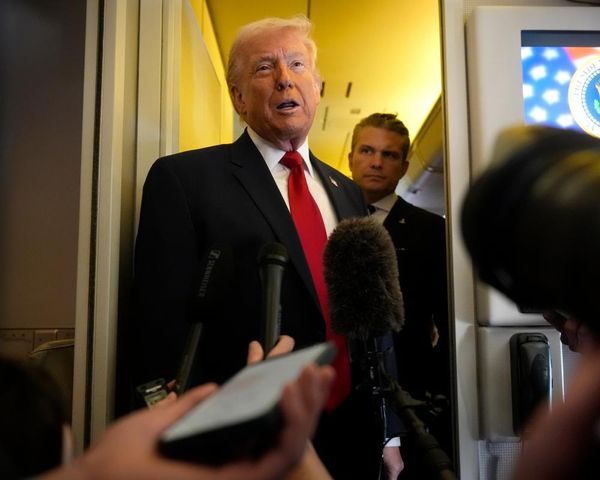
On Sunday, U.S. President Donald Trump called on the world to isolate Iran.
Nothing could better highlight the challenge the pragmatic Iranian cleric faces in his second term.
Trump's uncompromising line on Iran was enthusiastically welcomed by his Sunni hosts, Iran's bitter regional rival Saudi Arabia. On Sunday, Saudi King Salman described the Shiite regime in Iran as "the spearhead of global terrorism.'' Trump appeared to agree.
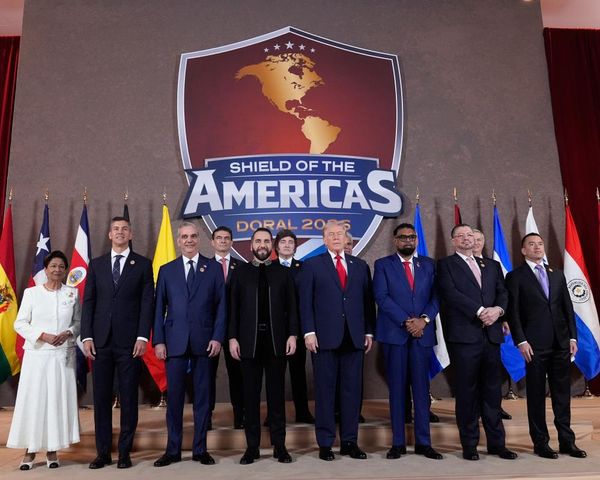
"All nations of conscience must work together to isolate Iran, deny it funding for terrorism, and pray for the day when the Iranian people have the just and righteous government they deserve,'' Trump said in Riyadh to a gathering of heads of state from dozens of Muslim countries.
Yet the strategy Trump laid out is likely to prove counterproductive in Iran. In contrast to its leadership, Iran's population is one of the most pro-American in the Middle East. The hard line might also gain little support outside the Gulf States and Israel, said Karim Sadjadpour, Iran specialist at the Carnegie Endowment for International Peace in Washington.
Regime hard-liners such as Ebrahim Raisi, whom Rouhani soundly defeated in Friday's election, are already fighting to isolate the country from the West and its influence, so Trump's policy will for them be "more carrot than stick,'' Sadjadpour said. Meanwhile, anti-regime Iranians have pinned their hopes for change on the country's international reintegration.
Nor is the policy likely to find much backing in China, Europe or Russia. "The challenge the Trump administration is going to have, is that there are few major countries in the world which believe Iran is the greatest source of instability in the region,'' Sadjadpour said.
Rouhani campaigned on a promise of a more open, internationally integrated economy, and in his acceptance speech said the election showed Iran was ready for more friendly relations with world powers.
Yet the strong popular mandate Rouhani received is severely limited, both at home and abroad, casting doubt over his ability to carry through a program that's predicated
Although President U.S. Barack Obama tried hard to reach out to Iran, he got little response from a regime that still pins its identity on anti-Americanism. That resistance won't disappear in Rouhani's second term, regardless of U.S. policy.
Rouhani did secure, after years of effort, the 2015 deal with the U.S. and other world powers to end the most painful economic sanctions in exchange for rolling back Iran's nuclear-fuel program. During this year's election campaign, he pledged to secure the lifting of non-nuclear sanctions that remain in effect over issues such as ballistic missile tests and human rights. But that looks to be a near-impossible task.
On May 17, the State Department said it was adding new sanctions. A day later, a senior adviser to Israeli Prime Minister Benjamin Netanyahu said Netanyahu hoping to persuade Trump to impose still more sanctions against Iran.