Confusion over the outcome of the Iowa Democratic caucuses on Monday meant the result came too late for the Weekly’s print deadlines this week (see our US Elections 2020 coverage for all the latest results). Notwithstanding that, it kicked off the convoluted run of Democratic state contests to choose a candidate that the party hopes can unseat Donald Trump in November’s presidential election. Will Democrats opt for the radical reform of Bernie Sanders or Elizabeth Warren, the “safe hands” of Joe Biden, or the less-known quantities of Pete Buttigieg or Amy Klobuchar? Chris McGreal weighs up the dilemmas, while David Smith looks back on a humiliating night for Iowa’s Democratic vote administrators.
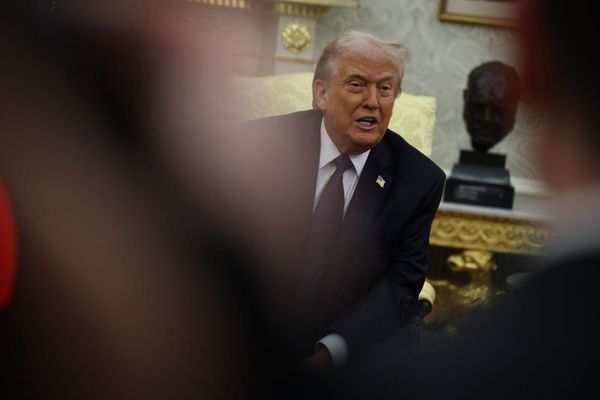
Back in Trumpland, the attempt to impeach the president seemed set to end in failure this week. Julian Borger reflects on the vice-like grip Trump has on the Republican party. And if you’re wondering why many feel he is a shoo-in for a second term, check out Julia Carrie Wong’s remarkable exploration of a year inside the president’s Facebook advertising strategy.
A “vision for peace” conceived in any context by Trump and Israeli prime minister Benjamin Netanyahu would best be approached with scepticism, and so it was with the pair’s latest stab at solving the Israel-Palestine conflict. Oliver Holmes, Sufian Taha and Hazem Balousha report on a familiar fury in the Occupied Territories, while Ian Black explains why the proposal will in no way allow Israelis and Palestinians to work out how they can live together in peace, equality and dignity.
Coverage of the coronavirus outbreak has understandably focused on the health risks, but with 10 million Chinese citizens quarantined and thousands of factories closed, it won’t be long before the wider economic impact is felt globally. The Observer’s Philip Inman examines how the virus might have a greater effect on the financial system than the Sars outbreak of almost two decades ago. On our opinion pages, Kenan Malik explains why locking down Wuhan was not the logical step in stopping the virus that it might have first seemed.
Many of us have found ourselves roped into a quiz team at some stage or other, but for some the quest for esoteric knowledge, glory and (occasionally) riches goes much further than a midweek night in the pub. One such trivia addict, Samanth Subramanian, delves into the world of international competitive quizzing, contemplating what it has taught him about himself and the way humans think.