British businesses have lost their advantage over the EU after Donald Trump’s latest wave of trade tariffs, experts have warned, despite the overall tariff for UK goods remaining the same.
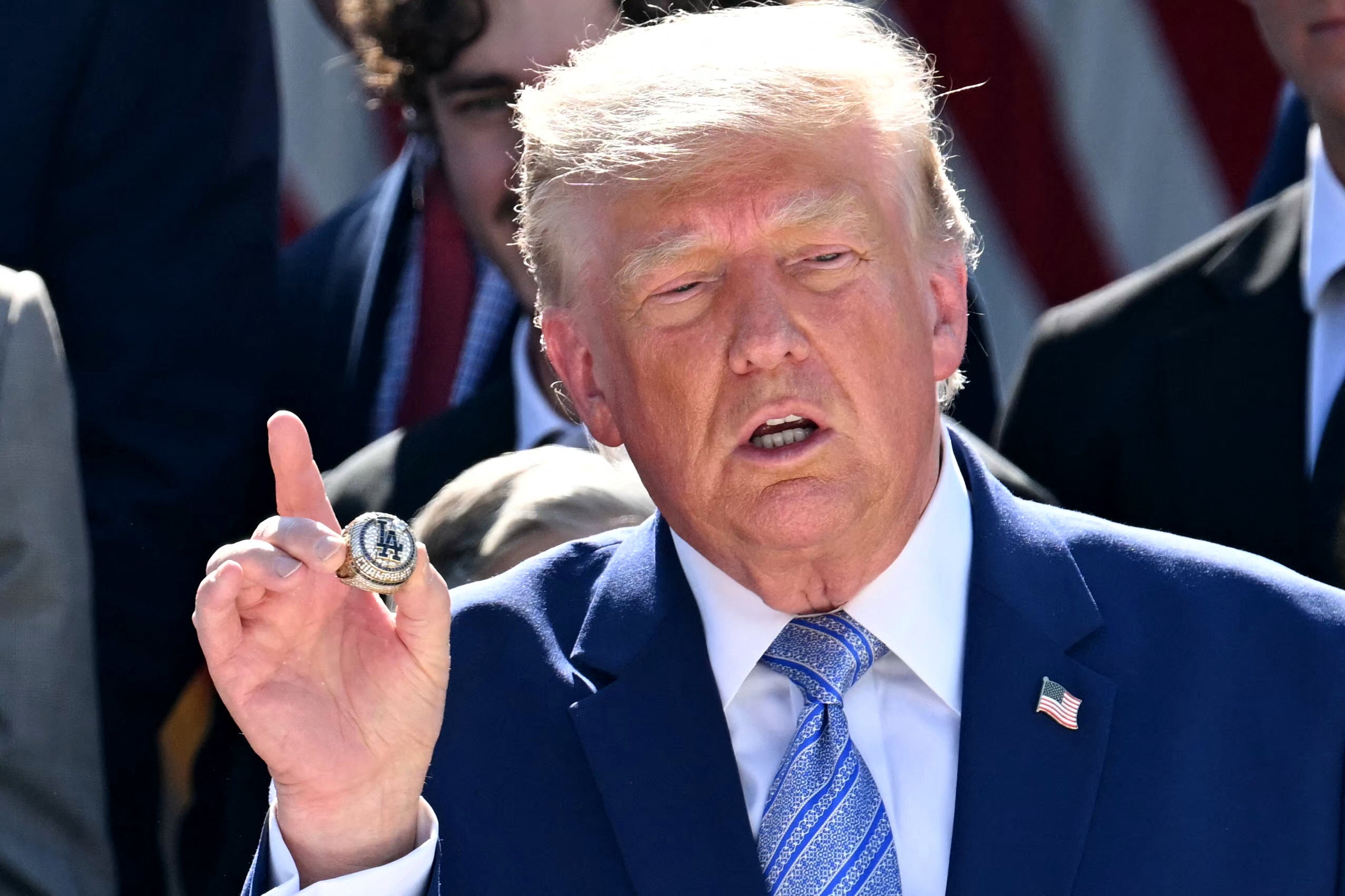
The US president announced plans on Thursday to hit dozens of countries with renewed tariffs as time-limited levies, introduced in response to a Supreme Court defeat, expire on Friday.
While Britain and the EU will face the same 10 per cent tariffs, the bloc has been handed preferable terms thanks to differences between the two deals negotiated with Mr Trump.
This is despite a new threat issued by the US president against the EU, after the bloc announced it would be fining Google $1bn for breaches of online competition laws.
As part of their aim to rein in Big Tech, the European Commission found the tech giant had had favoured its own apps and services over those of their rivals.
As a result, Mr Trump warned of a “substantial” tariff, and said that the EU “will pay a very big price for this illegal and highly unethical conduct”. It is unclear what percentage of a tariff he will instil after Thursday’s announcement.
The head of the British Chambers of Commerce (BCC) claimed the UK had lost its comparative advantage against the European Union as a result of the new tariffs, although sources in Downing Street have disputed it.
William Bain told the BBC: “There will be some concerns in the business community this morning about what the UK needs to do to get the same treatment the European Union has got here.”
Britain’s 10 per cent tariff remains the same while the EU’s has been reduced from 15 per cent to 10 per cent. However, the Turnberry deal, agreed between the EU and President Trump last year, meant no tariffs could be added to the 15 per cent blanket levy.
Now the tariff has been reduced to 10 per cent, it gives the bloc an edge over the UK for sectors not given specific carveouts in the deal Sir Keir Starmer agreed with the US last year, such as clothing, chemicals, beverages or bikes.
There was some good news for Britain, with a deal removing any tariffs on Scotch whisky announced on Friday, but critics have warned that Britain’s exit from the EU has left it exposed when it comes to trade.
Joe Meighan, policy advisor for the European Movement UK, said: “The UK’s much-vaunted tariff advantage over the European Union has evaporated overnight. It is a timely reminder that chasing preferential treatment from individual trading partners, particularly the US, is no substitute for being part of the world’s largest integrated market.
“Any limited gains from going it alone are dwarfed by the economic advantages of frictionless access to the European single market. At a time when global trade is becoming more protectionist and economic coercion is on the rise, there is real strength in standing together.
“The EU negotiates from a position of collective economic power that Britain simply cannot match on its own, and today’s tariffs underline why our long-term prosperity lies in rebuilding the closest possible economic relationship with Europe.”
Labour MP Stella Creasy, chair of the Labour Movement for Europe, added: “If we are to protect British business then we need to recognise that even more damaging for Britain than the precise rate of Trump’s tariffs is the fact that we’re out of the room when the EU – which represents five times our GDP – decides its response.
“As the steel tariffs saga has shown, Brexit left us adrift in the middle of a global trade war. If we want growth and security, our reset must do everything possible to address that.”
The US trade department said the tariffs are being imposed on countries it claims have not taken action to tackle the importing of goods made with forced labour.
The US administration said that the action followed investigations by the Office of the United States Trade Representative (USTR), which included public hearings, more than 2,100 public comments, and engagement with trading partners “to remedy these longstanding concerns”.
However, the USTR also said there would be product exemptions, where tariffs would lead to a shortage of raw materials domestically, cause economy-wide disruptions or where items cannot be grown or produced in sufficient quantity or at a reasonable price in the US.
There would also be an exemption for products from the UK and other named countries where “that would encourage these economies to fulfil commitments regarding forced labour import prohibitions or to enact and effectively enforce a forced labour import prohibition”.
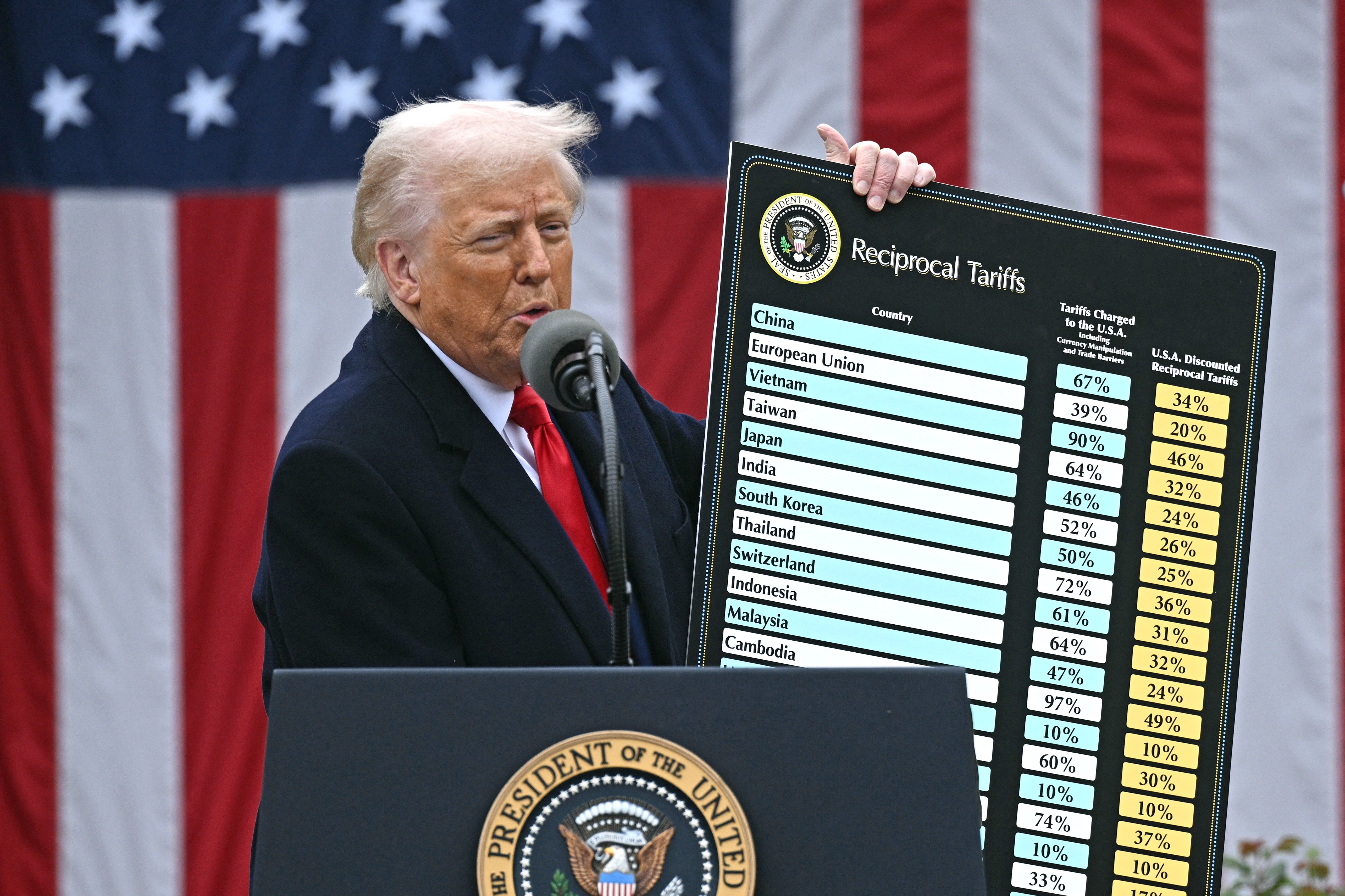
Tariffs are paid by companies in the US which import foreign products and usually move to pass along the cost by charging consumers higher prices.
Americans are already frustrated by the high cost of living, so the administration is taking a risk in rolling out new tariffs ahead of the critical midterm elections in November.
The UK exports more to the US than to any other single country.
In 2024, UK exports to the US were worth £66bn, 17 per cent of all UK goods exports.
The Economic Prosperity Deal agreed between the two countries last year aimed to mitigate the impact of US tariffs on UK industries and deepen commercial ties.
A government spokesperson disputed the claims about the EU while the Department for Business and Trade pointed out that whisky remains tariff free.
The spokesperson said: “The UK was the first country to secure a trade deal with the US and we still have a better rate than the EU on £40 bn worth of exports, from cars to whisky and steel to pharmaceuticals.
“Our deal has delivered for businesses and protected thousands of British jobs in every part of the country. There are no additional tariffs for the UK under this announcement, and claims we’ve lost our advantage to the EU are simply wrong.”
They argued that the products where the EU now has lower tariffs than the UK account for around just 10 per ent of total UK exports to the US are worth only £5 billion.
A siyrce added: “Unlike the EU the UK is not facing any further US tariff investigations following Thursday’s announcement, giving British businesses greater certainty for the future.”
10 per cent tariffs:
- Argentina
- Bangladesh
- Cambodia
- Canada
- Ecuador
- El Salvador
- Guatemala
- Indonesia
- Malaysia
- Mexico
- Pakistan
- United Kingdom
10/12.5 per cent tariffs:
- European Union
- Taiwan
- Japan
- Korea
- Switzerland
12.5 per cent tariffs:
- Algeria
- Angola
- Australia
- Bahamas
- Bahrain
- Brazil
- Chile
- China
- Colombia
- Costa Rica
- Dominican Republic
- Egypt
- Guyana
- Honduras
- Hong Kong
- India
- Iraq
- Israel
- Jordan
- Kazakhstan
- Kuwait
- Libya
- Morocco
- New Zealand
- Nicaragua
- Nigeria
- Norway
- Oman
- Peru
- Philippines
- Qatar
- Russia
- Saudi Arabia
- Singapore
- South Africa
- South Korea
- Sri Lanka
- Thailand
- Trinidad and Tobago
- Türkiye
- United Arab Emirates
- Uruguay
- Venezuela
- Vietnam