As U.S. opioid crisis grows, Trump calls for death penalty for dealers
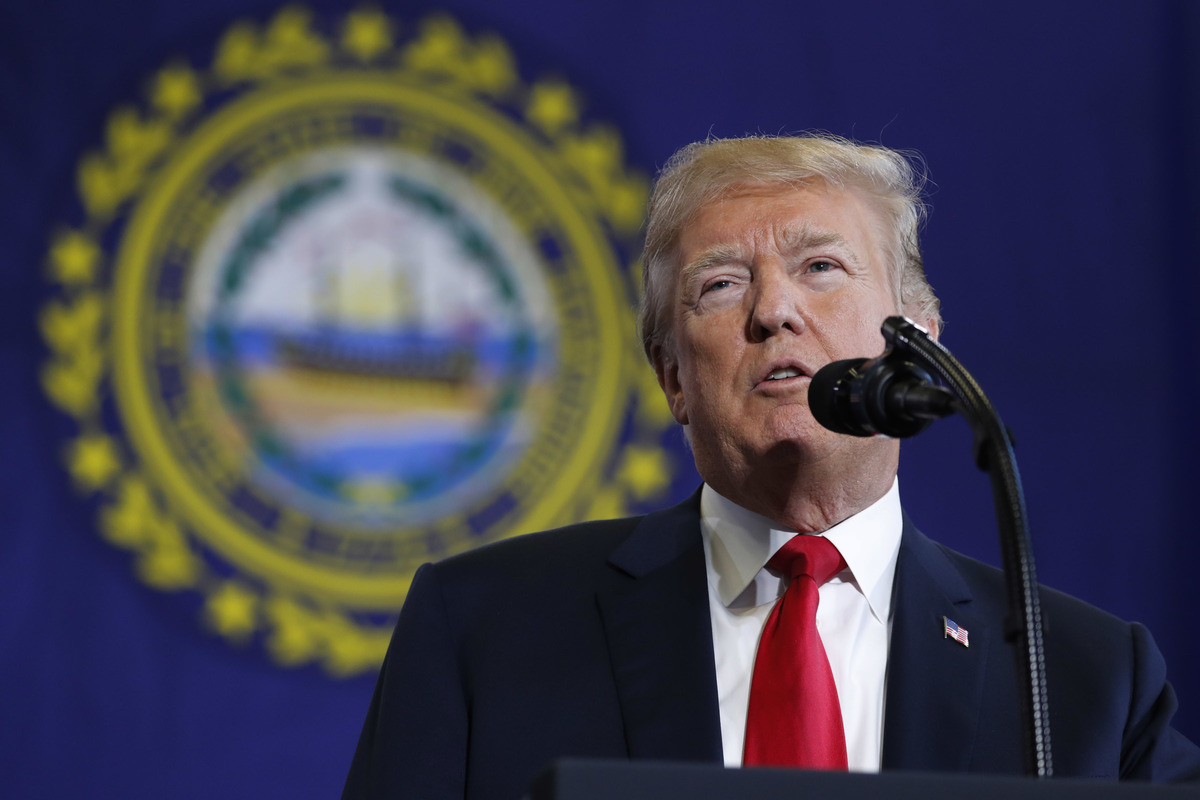
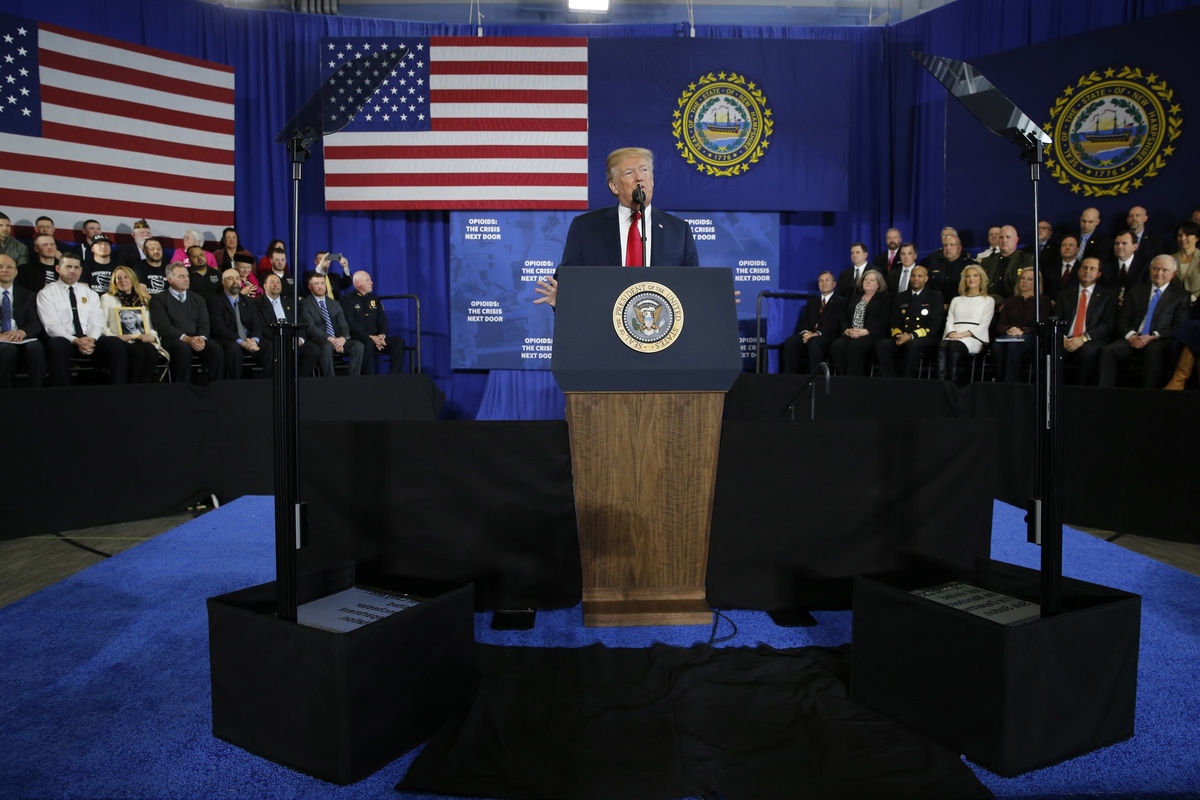
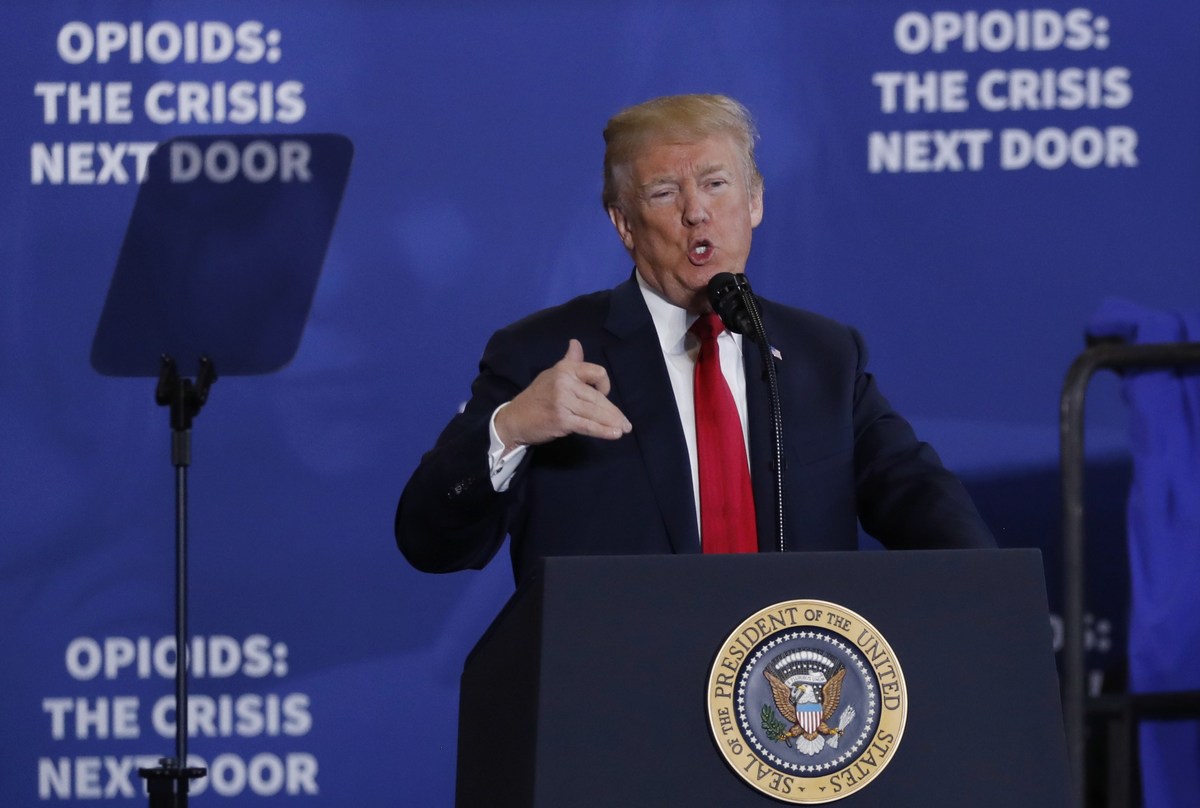
U.S. President Donald Trump delivers remarks on "combatting the opioid crisis" in a speech at Manchester Community College in Manchester, New Hampshire, U.S., March 19, 2018. REUTERS/Jonathan Ernst
MANCHESTER, N.H. (Reuters) - President Donald Trump spelled out in new detail several steps he favors to fight a U.S. epidemic of opioid abuse, including the execution of drug dealers, a proposal that has gained little support from drug abuse and judicial experts.
At an event in Manchester, New Hampshire, Trump unveiled an anti-opioid abuse plan, including his death penalty recommendation, new funding for other initiatives and stiffer sentencing laws for drug dealers.
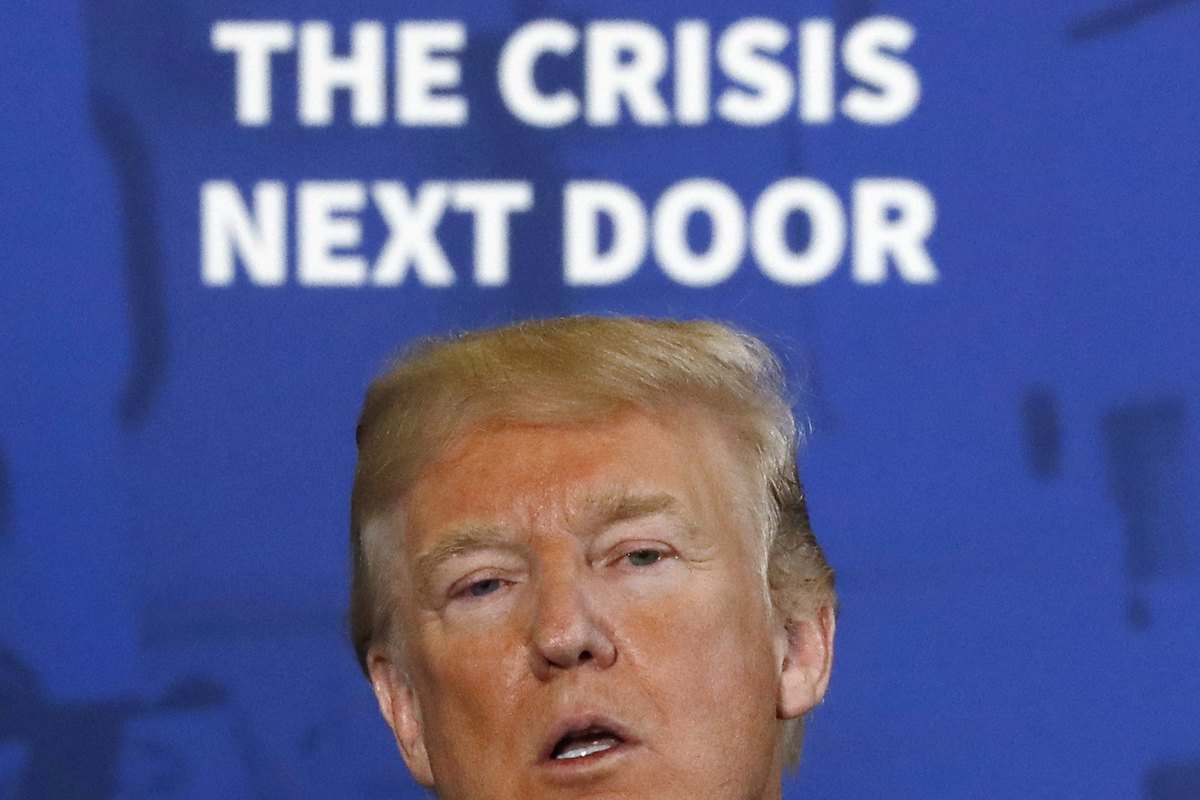
U.S. President Donald Trump Delivers remarks on "combatting the opioid crisis" in a speech at Manchester Community College in Manchester, New Hampshire, U.S., March 19, 2018. REUTERS/Jonathan Ernst
He said the United States must "get tough" on opioids. "And that toughness includes the death penalty," he said. Neither Trump nor the White House gave further details as to when it would be appropriate to seek the death penalty.
Trump said that he was working with Congress to find $6 billion in new funding for 2018 and 2019 to fight the opioid crisis. The plan will also seek to cut opioid prescriptions by a third over three years by changing federal programs, he said.
Addiction to opioids - mainly prescription painkillers, heroin and fentanyl - is a growing U.S. problem, especially in rural areas. According to the Centers for Disease Control and Prevention, 42,000 people died from opioid overdoses in 2016.
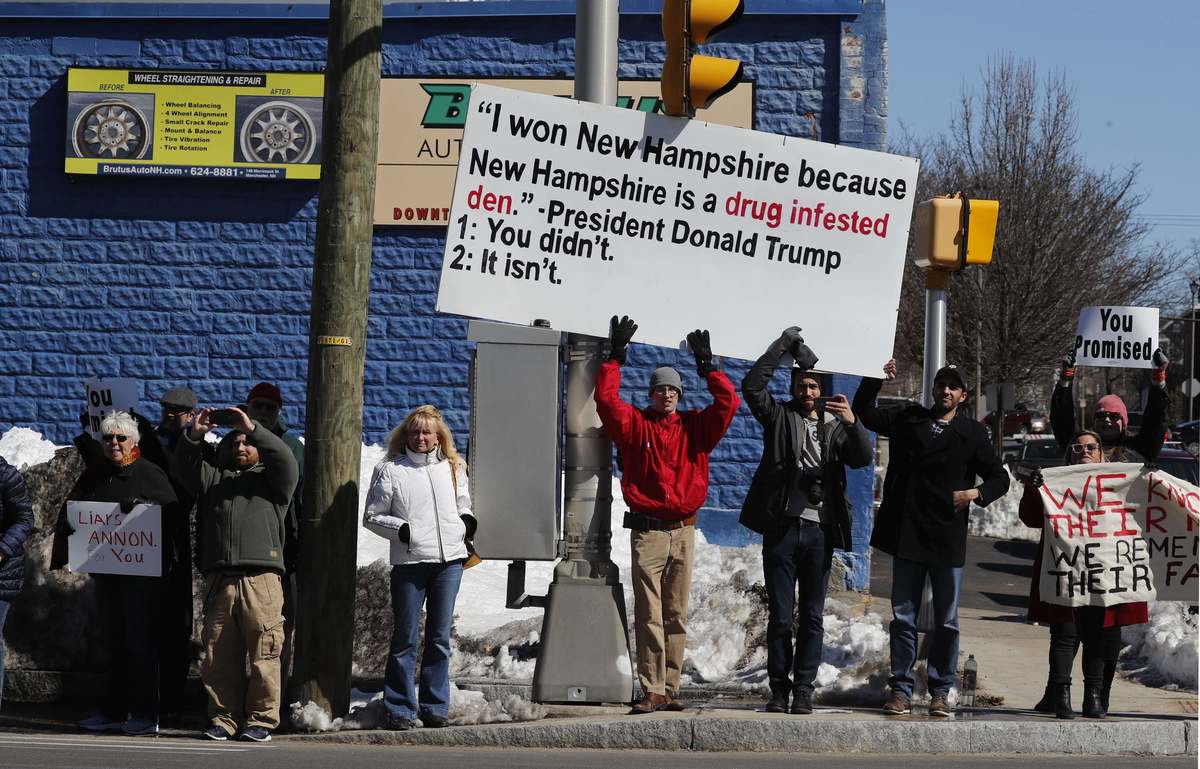
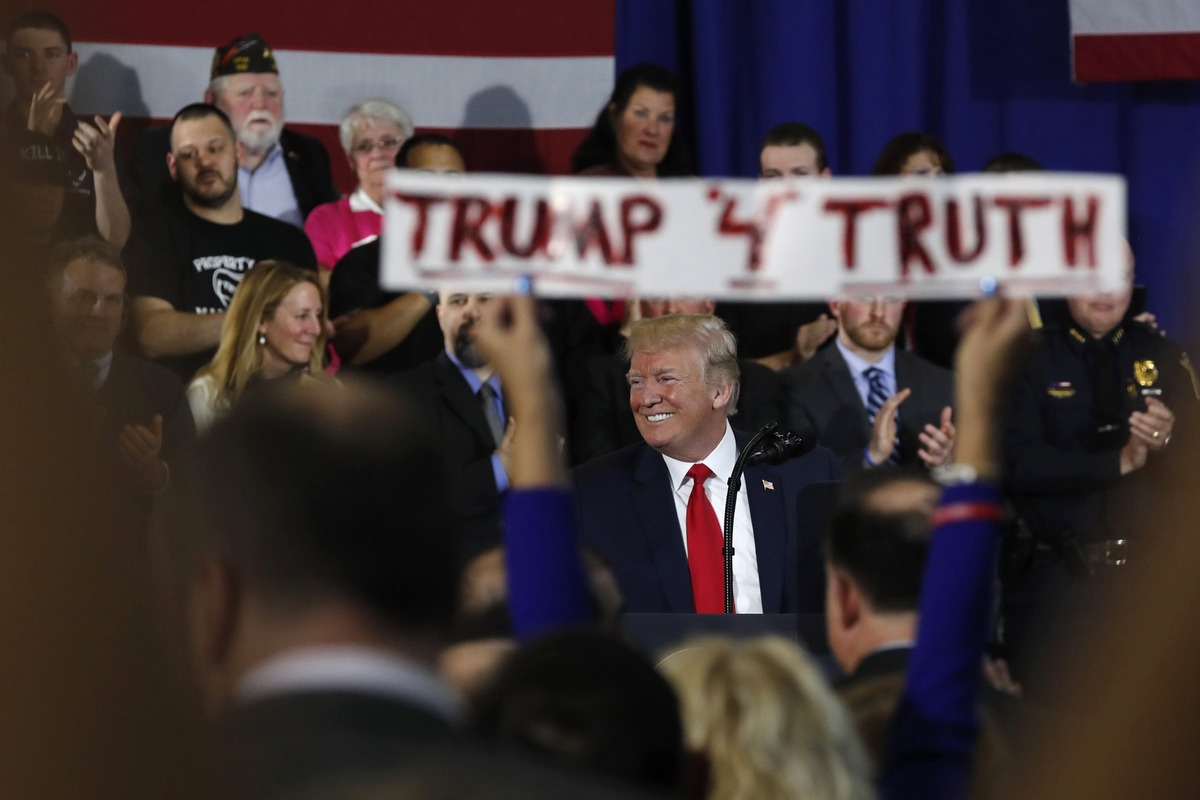
Demonstrators protest across the street as U.S. President Donald Trump visits a firehouse during a visit to New Hampshire devoted to the subject of "combatting the opioid crisis" in Manchester, New Hampshire, U.S., March 19, 2018. REUTERS/Jonathan Ernst
For Trump, the New Hampshire visit returned him to a state that gave him a key Republican primary election win when he was a political newcomer in 2016. Back then, he promised to tackle the opioid crisis, which is severe in the New England state.
In October, he declared the crisis a public health emergency, but without providing more money. Some critics, including Democratic lawmakers, said then that the declaration was meaningless without additional funds.
In Manchester, Trump stopped at a local fire station that helps addicts get treatment. He was greeted by roughly 200 protesters, some chanting "You talk, we die."
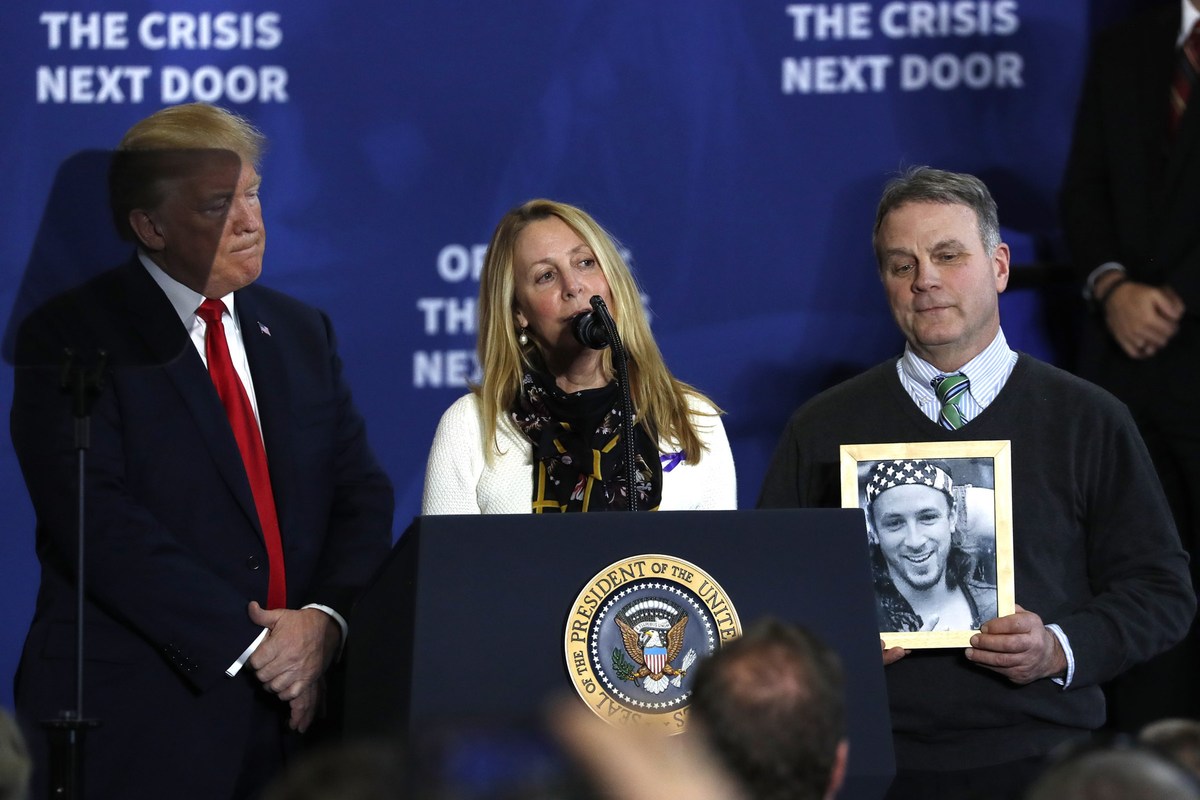
U.S. President Donald Trump listens as Jeanne Moser of East Kingston, New Hampshire talks about the death of her son Adam from a fentanyl overdose as her husband Jim stands beside her with a picture of Adam during a presidential event about "combatting the opioid crisis" at Manchester Community College in Manchester, New Hampshire, U.S., March 19, 2018. REUTERS/Jonathan Ernst
Others carried signs, including one that read "Donald J. Duterte," a reference to the Philippine leader Rodrigo Duterte, whose brutal crackdown on drugs has lead to thousands of deaths.
FREE NARCAN
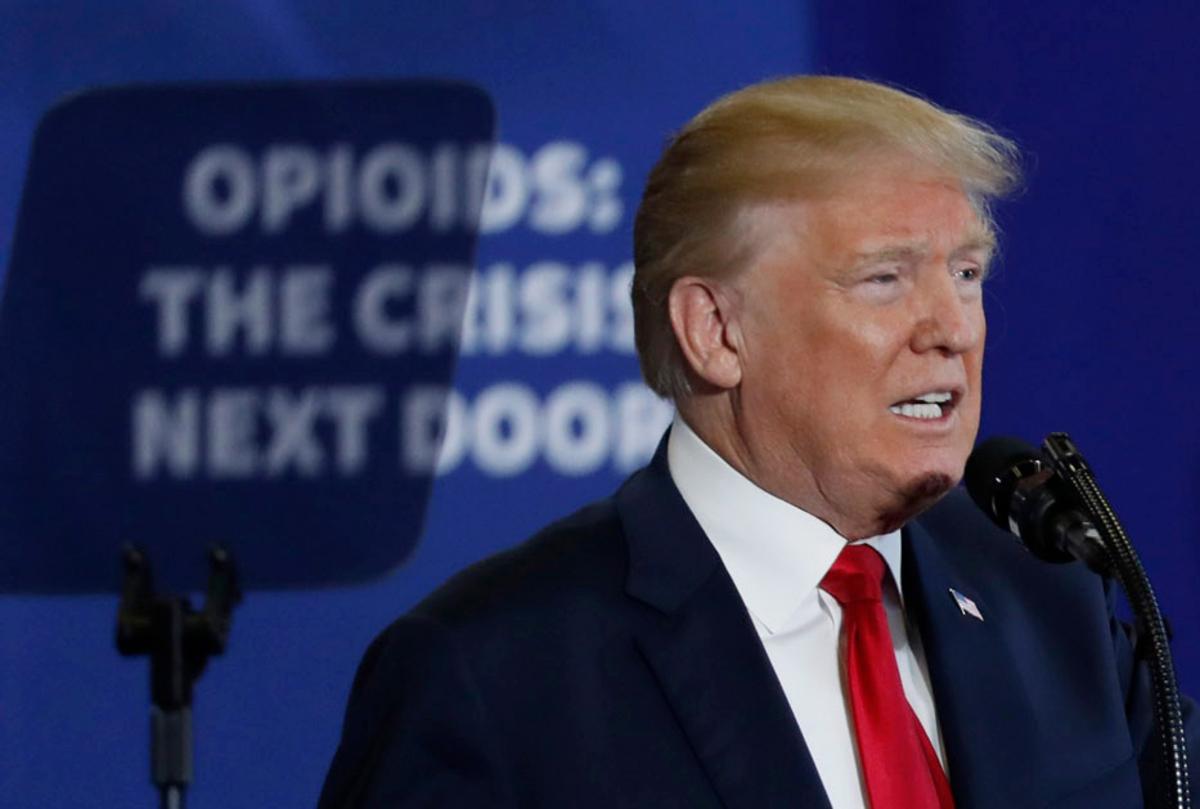
U.S. President Donald Trump delivers remarks on "combatting the opioid crisis" in a speech at Manchester Community College in Manchester, New Hampshire, U.S., March 19, 2018. REUTERS/Jonathan Ernst
Trump said he wanted to give first responders access to life-saving drugs that can reverse overdoses. He said the nasal spray Narcan, which can block opioid effects in overdoses, would be provided free to U.S. schools.
He introduced Mike Kelly, an executive at Adapt Pharma, which makes Narcan, at the event. "We've provided, free-of-charge, four boxes to all colleges and universities in the United States. Two boxes free for every high school in the United States, as well as educational awareness," Kelly said.
Shares in Narcan seller Opiant Pharmaceuticals, Adapt's commercial partner, rose sharply after Trump's comments.
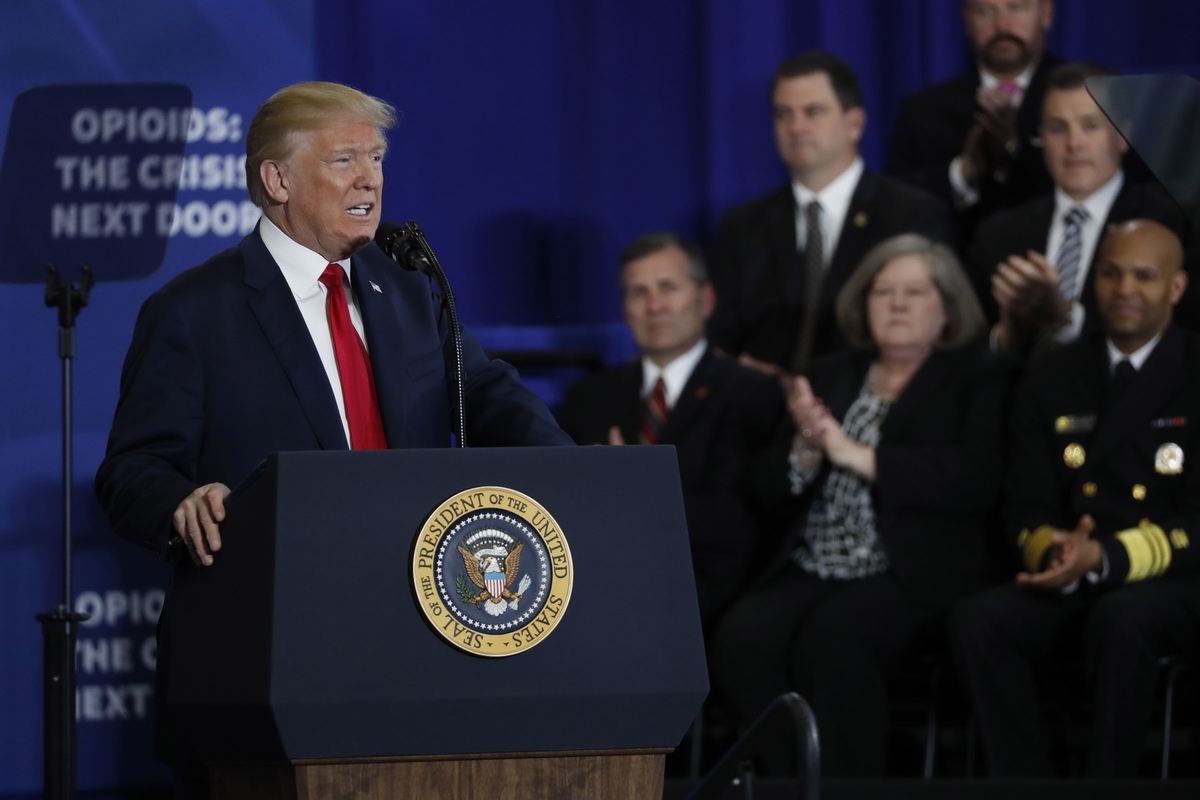
U.S. President Donald Trump delivers remarks on "combatting the opioid crisis" at Manchester Community College in Manchester, New Hampshire, U.S., March 19, 2018. REUTERS/Jonathan Ernst
Trump also said his plan would crack down on international and domestic illicit drug supply chains. Part of that would include requiring electronic data for 90 percent of international mail shipments with goods, he said.
He said the United States would "engage with China and expand cooperation with Mexico to reduce supplies of heroin, other illicit opioids, and precursor chemicals."
The Justice Department will target negligent physicians and pharmacies, he said, adding that he was considering litigation against drug companies implicated in the opioid crisis.
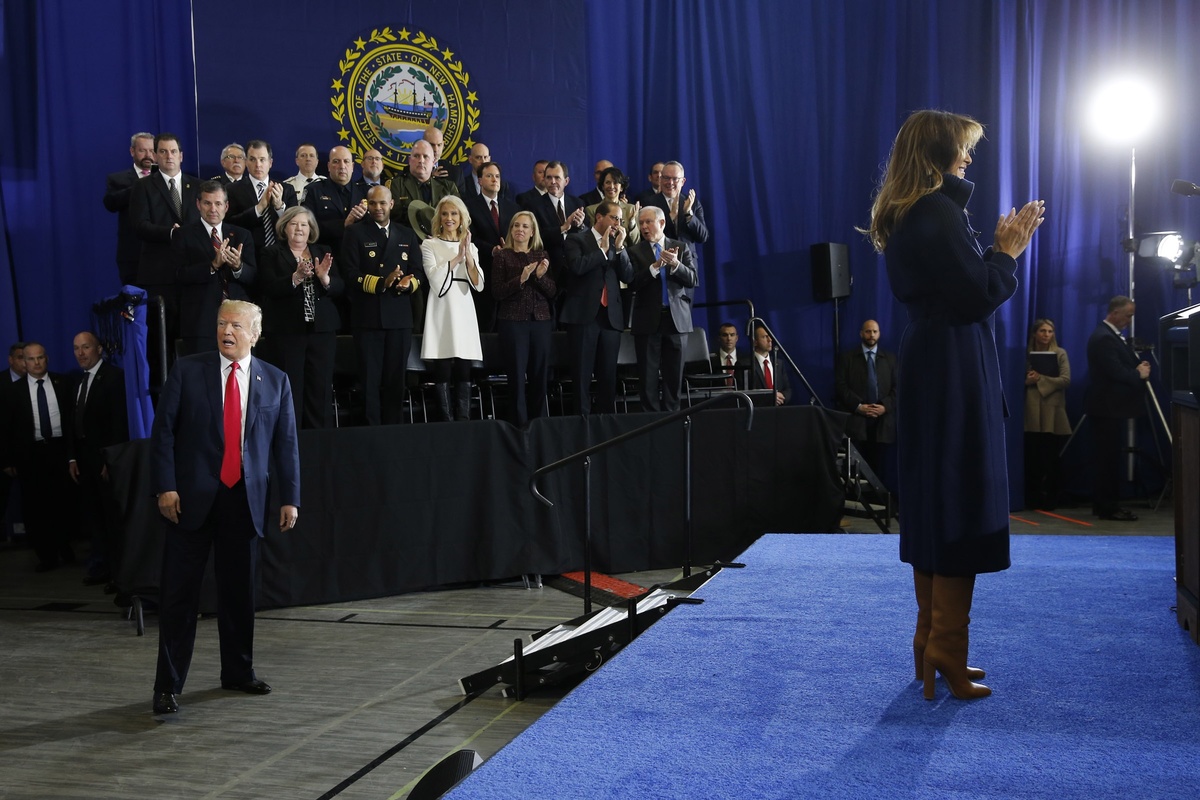
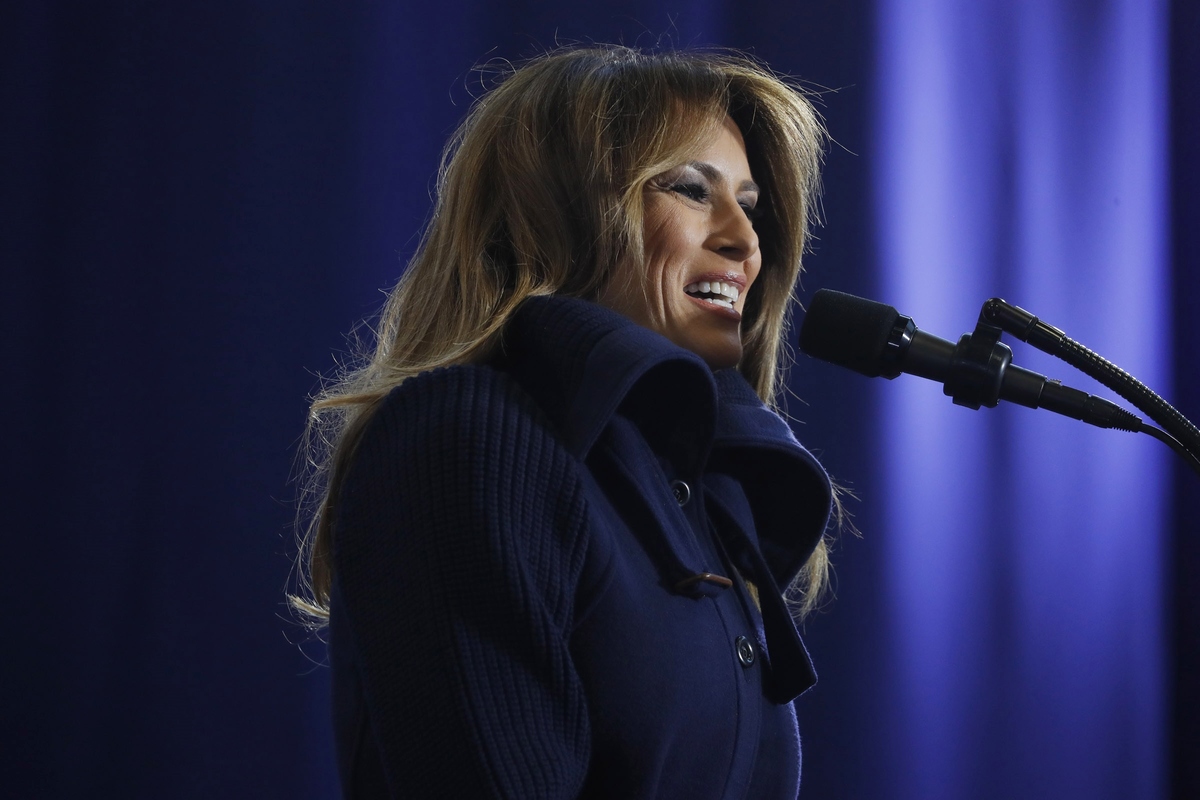
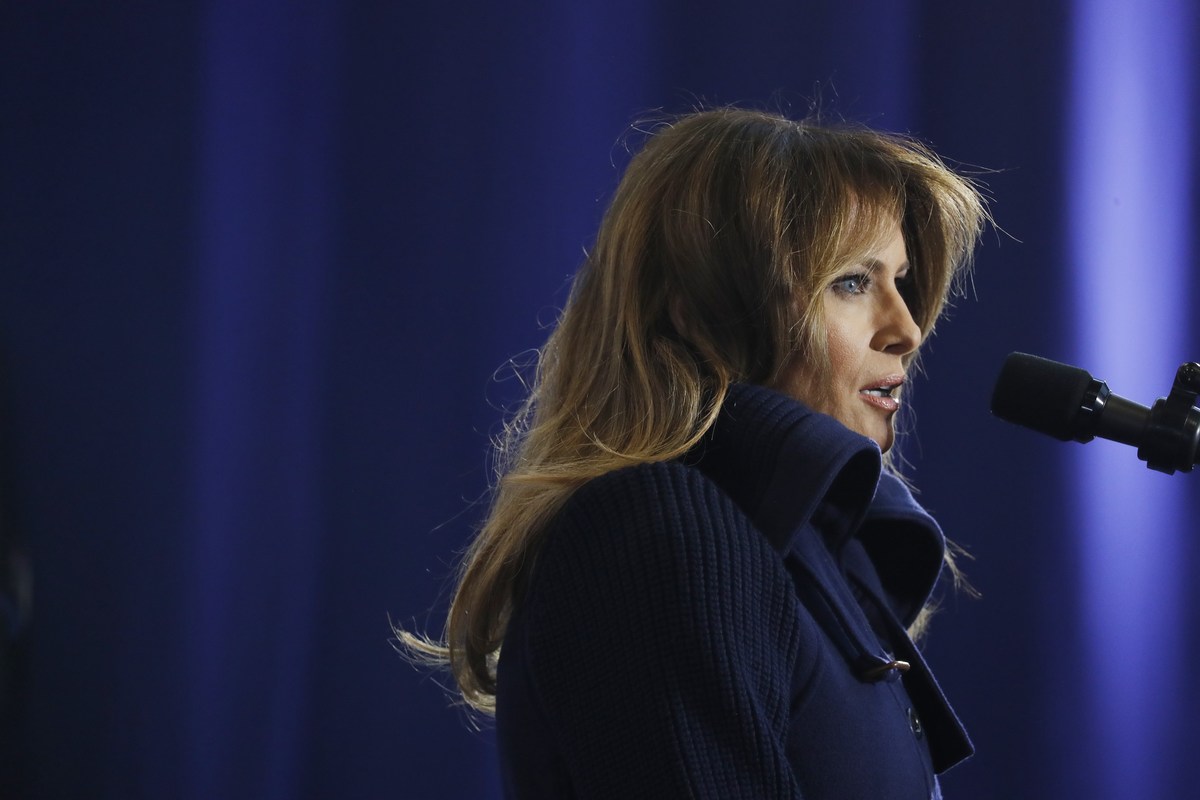
U.S. first lady Melania Trump speaks prior to introducing her husband U.S. President Donald Trump, who was scheduled to deliver remarks on "combatting the opioid crisis" in a speech at Manchester Community College in Manchester, New Hampshire, U.S., March 19, 2018. REUTERS/Jonathan Ernst
"We will continue to aggressively prosecute drug traffickers and we will use federal law to seek the death penalty wherever appropriate," Attorney General Jeff Sessions said in a statement. The death penalty is allowed in 31 states.
Dr Harold Pollack, an urban public health professor at the University of Chicago, said, "I don't think the death penalty for drug dealers will accomplish very much."
He said there was little evidence that tougher sentencing reduced the availability of street drugs and urged Trump to work with Republican state governors to expand the Medicaid federal health program so that drug addicts could get more access to healthcare and counseling.
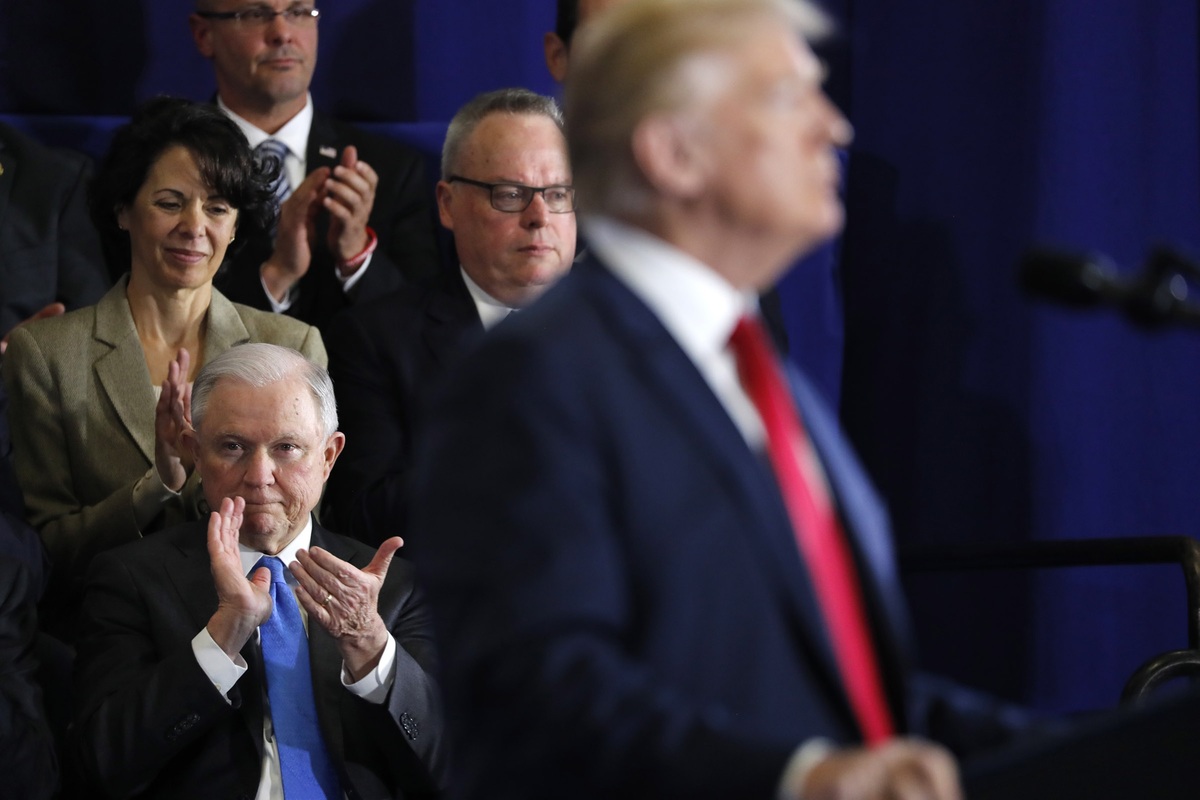
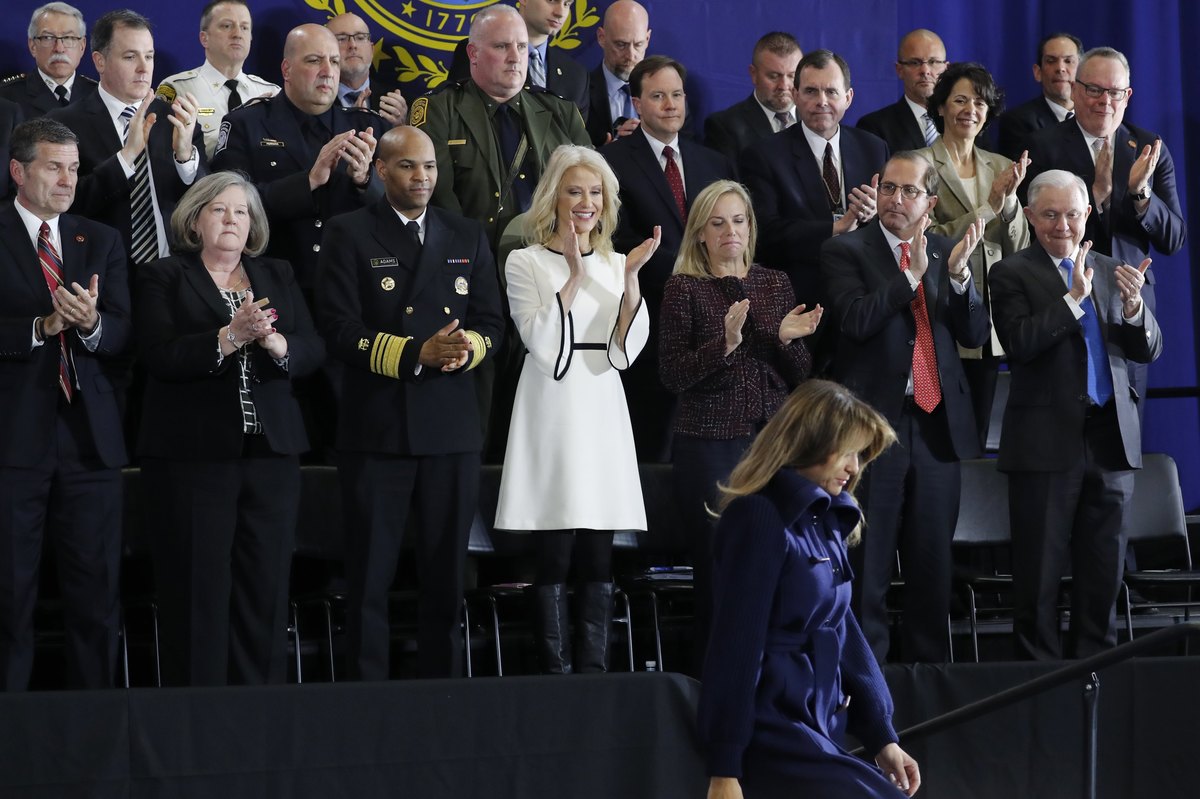
U.S. Attorney General Jeff Sessions applauds President Donald Trump as he delivers remarks on "combatting the opioid crisis" at Manchester Community College in Manchester, New Hampshire, U.S., March 19, 2018. REUTERS/Jonathan Ernst
Ohio Democratic Representative Tim Ryan, in a statement, said Trump took too long to offer a plan, but praised him for offering "ambitious, evidence-based reforms."
He added, "I am disappointed that President Trump felt the need to ... encourage prosecutors to seek the death penalty against drug dealers. I am all for punishing drug dealers, but I'm not for pushing the death penalty."
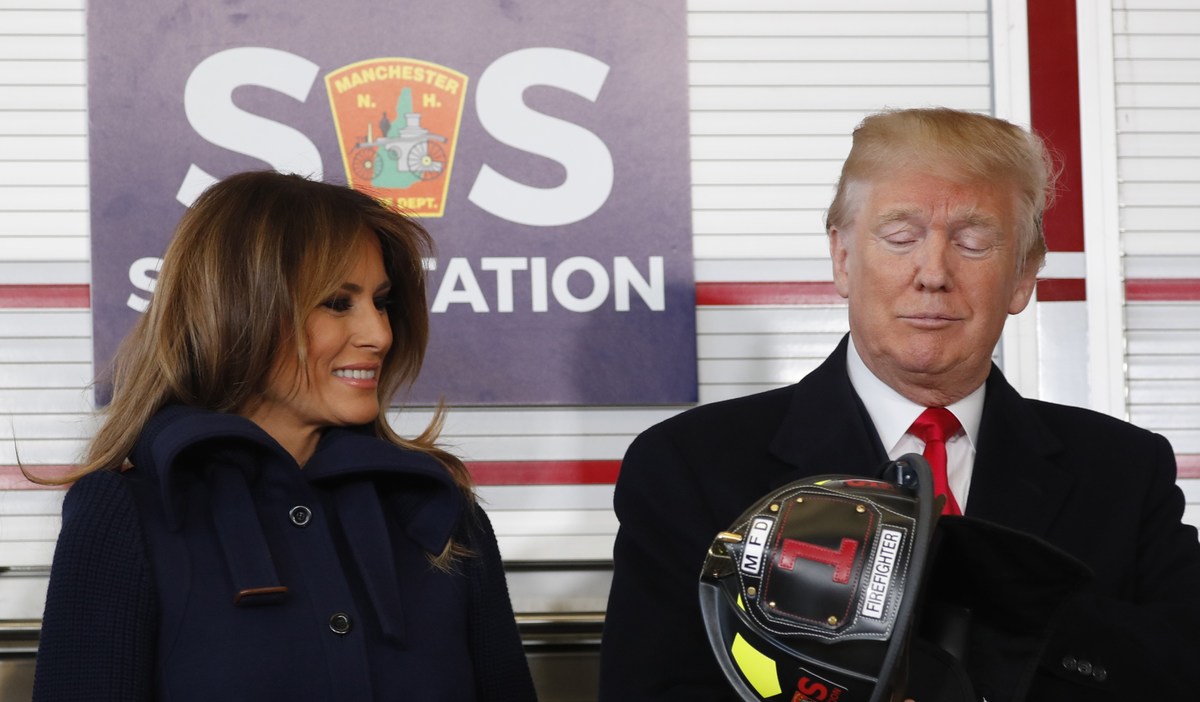
U.S. President Donald Trump and first lady Melania Trump look at a helmet that the president received from the Manchester, New Hampshire fire chief during a visit with first responders who administer a drug treatment intake program at their fire station in Manchester, New Hampshire, U.S., March 19, 2018. REUTERS/Jonathan Ernst
(Additional reporting by Steve Holland, Ayesha Rascoe, David Alexander, Doina Chiacu and Sarah N. Lynch; Editing by Kevin Drawbaugh and Rosalba O'Brien)
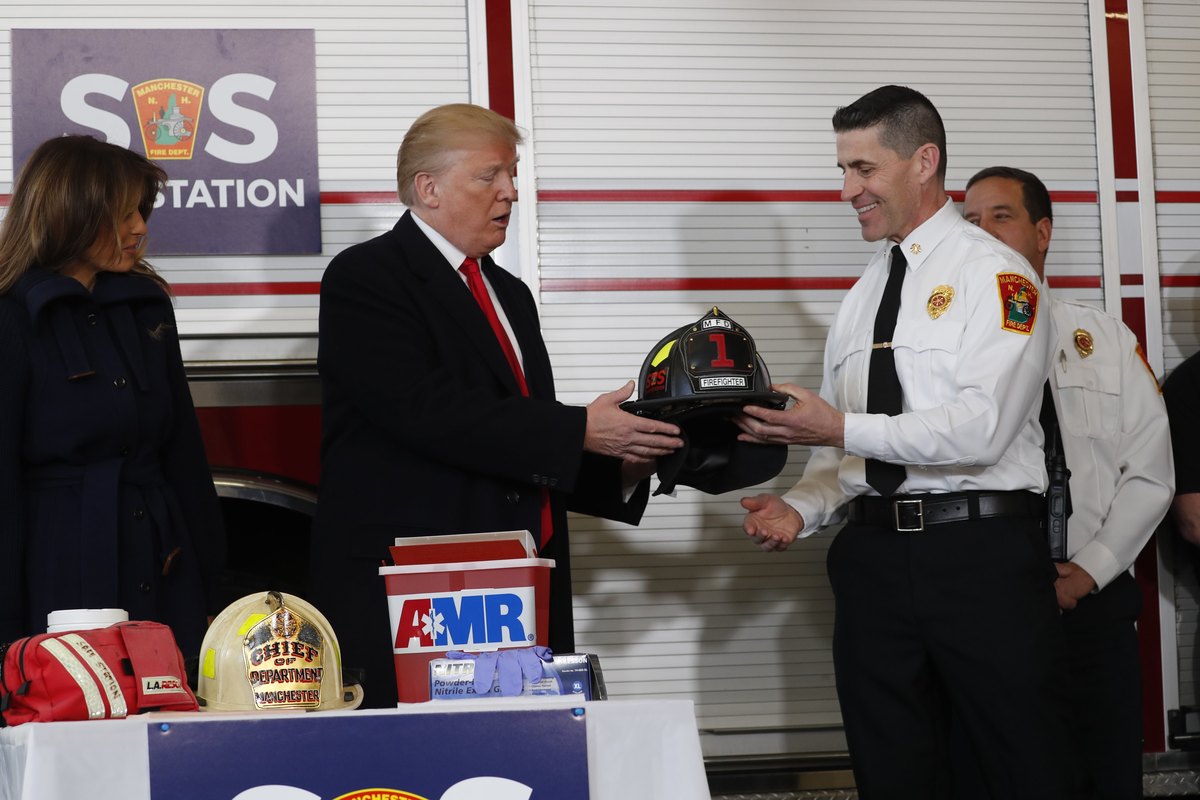
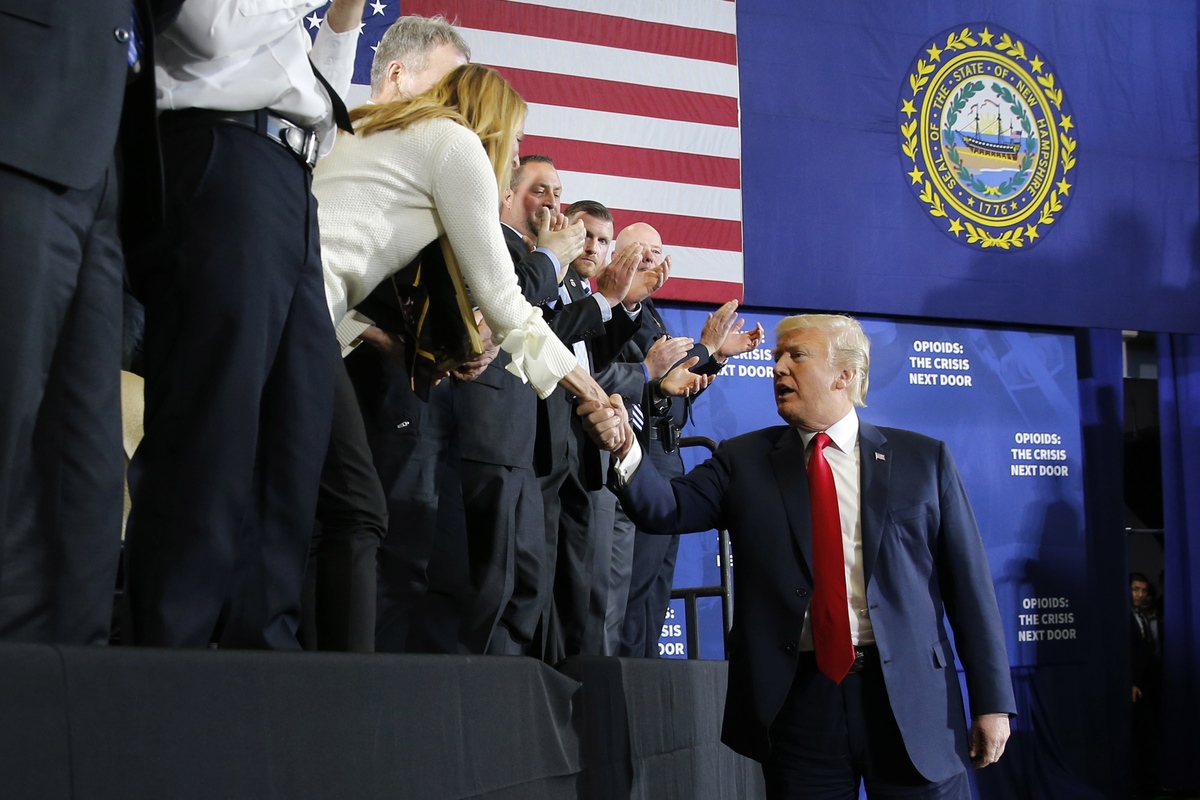
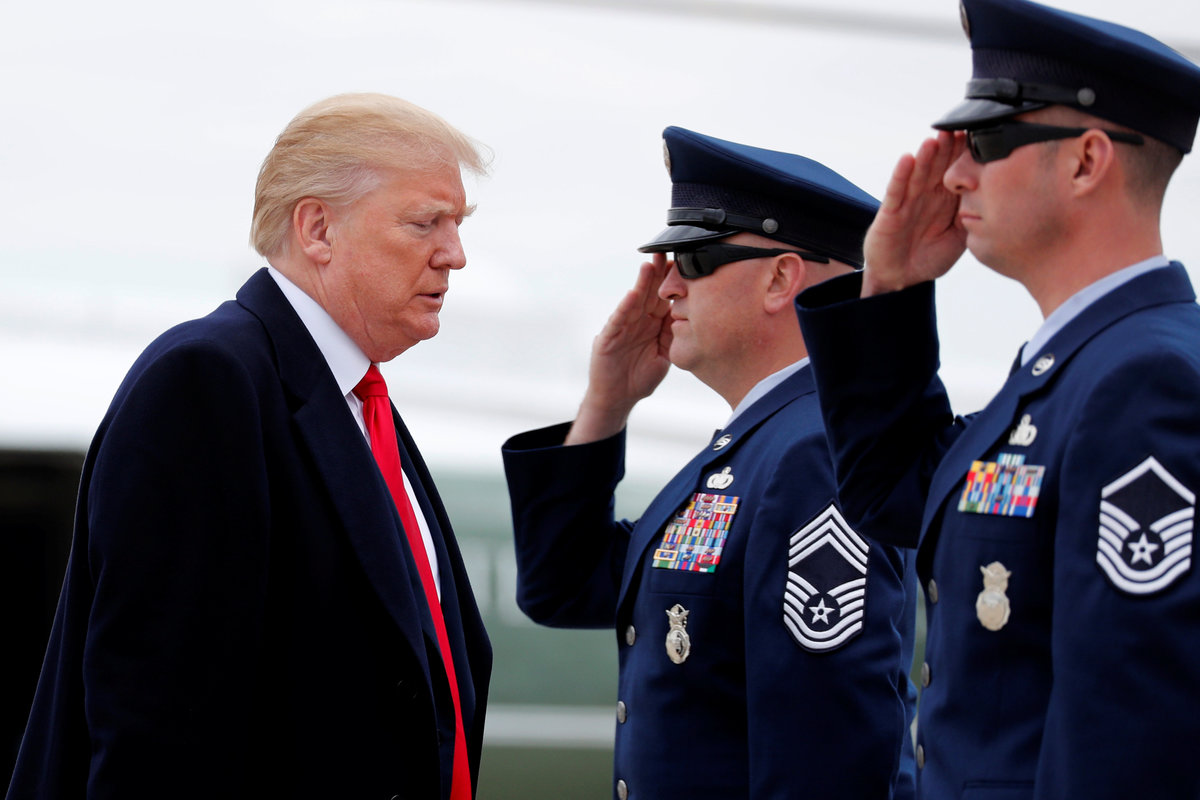
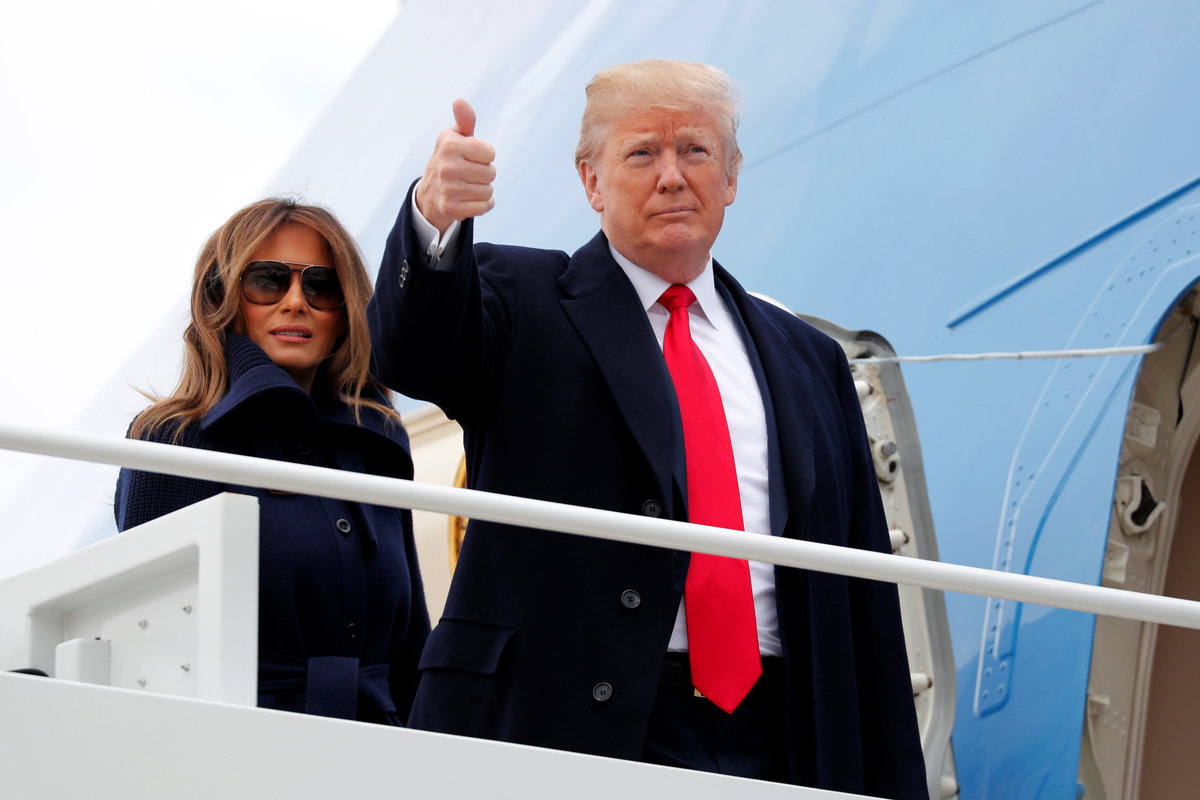
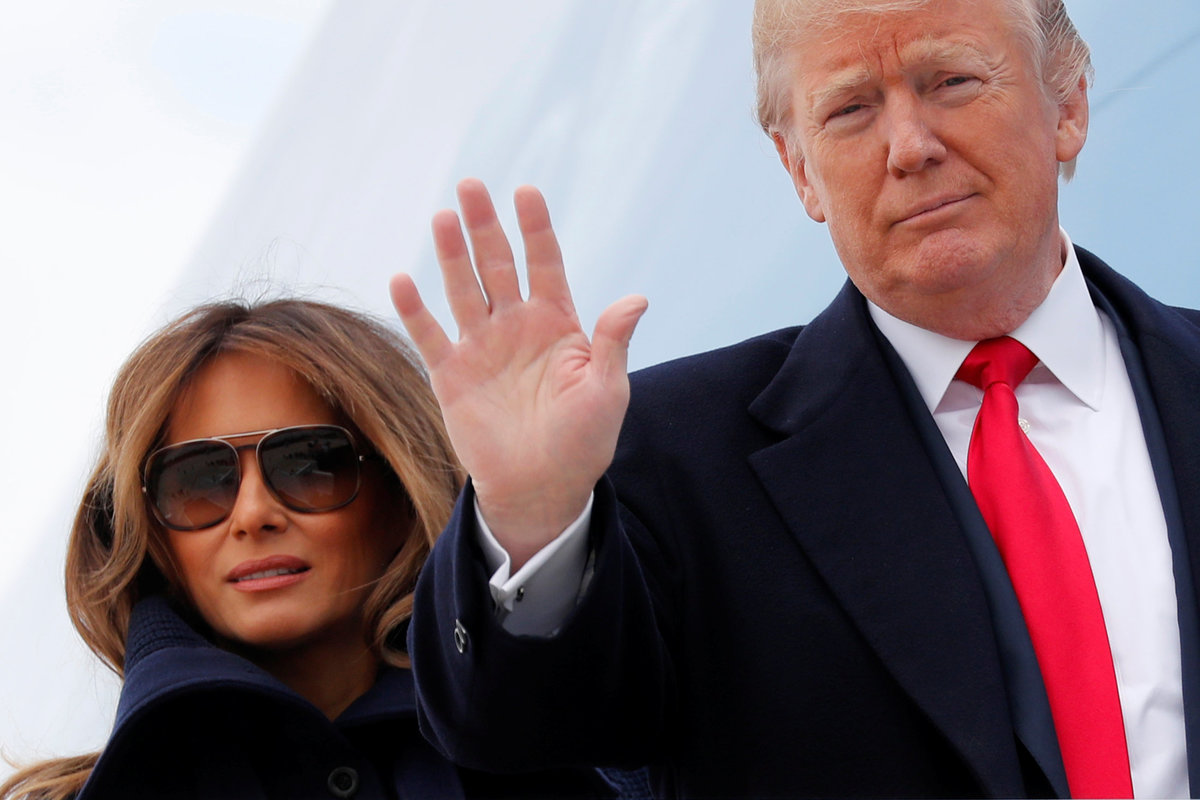
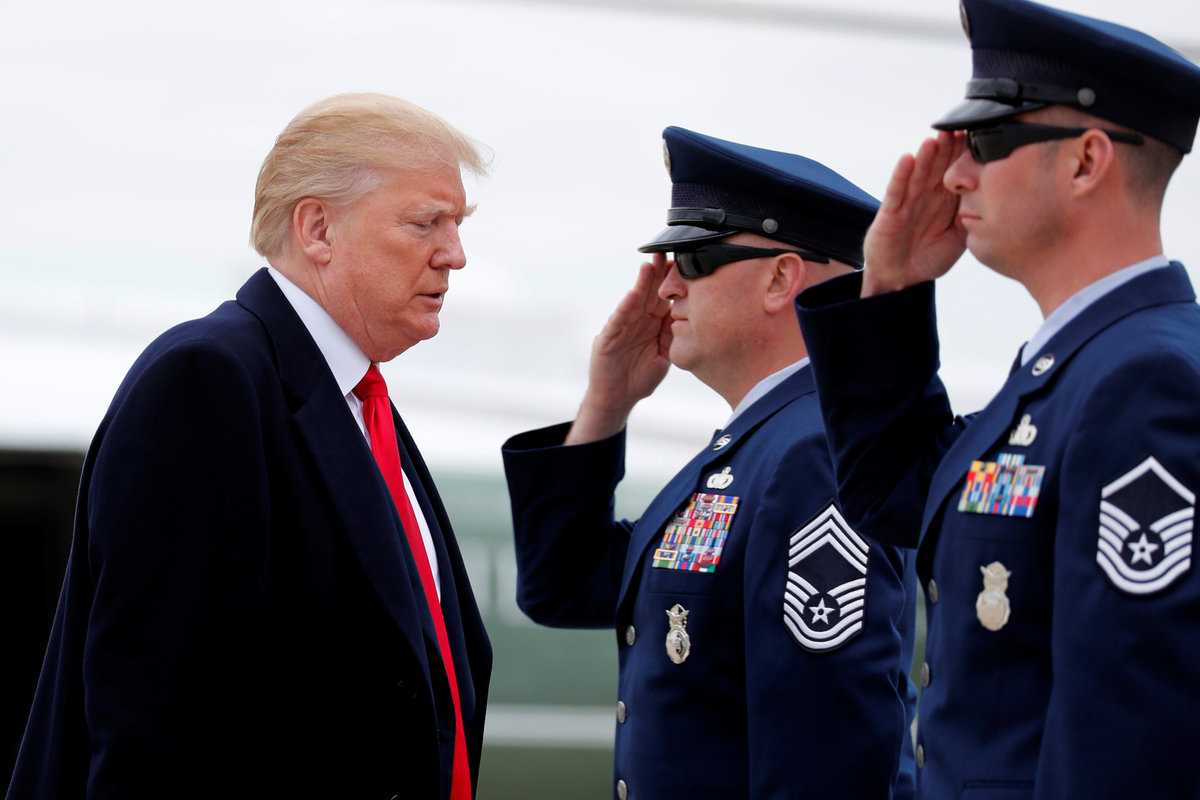
U.S. President Donald Trump receives a helmet from Manchester City Fire Chief Dan Goonan as he and first lady Melania Trump visit first responders who administer a drug treatment intake program at their fire station in Manchester, New Hampshire, U.S. March 19, 2018. REUTERS/Jonathan ErnstU.S. President Donald Trump Delivers remarks on "combatting the opioid crisis" in a speech at Manchester Community College in Manchester, New Hampshire, U.S., March 19, 2018. REUTERS/Jonathan ErnstU.S. President Donald Trump arrives to deliver remarks on the U.S. opioid crisis, at Manchester Community College in Manchester, New Hampshire, U.S. March 19, 2018. REUTERS/Jonathan ErnstU.S. President Donald Trump Delivers remarks on "combatting the opioid crisis" in a speech at Manchester Community College in Manchester, New Hampshire, U.S., March 19, 2018. REUTERS/Jonathan ErnstU.S. first lady Melania Trump speaks prior to introducing her husband and U.S. President Donald Trump, who was scheduled to deliver remarks on "combatting the opioid crisis" in a speech at Manchester Community College in Manchester, New Hampshire, U.S., March 19, 2018. REUTERS/Jonathan ErnstU.S. President Donald Trump Delivers remarks on "combatting the opioid crisis" in a speech at Manchester Community College in Manchester, New Hampshire, U.S., March 19, 2018. REUTERS/Jonathan ErnstU.S. first lady Melania Trump is applauded as she arrives to speak prior to U.S. President Donald Trump delivering remarks on "combatting the opioid crisis" in a speech at Manchester Community College in Manchester, New Hampshire, U.S., March 19, 2018. REUTERS/Jonathan ErnstU.S. first lady Melania Trump speaks prior to introducing her husband and U.S. President Donald Trump, who was scheduled to deliver remarks on "combatting the opioid crisis" in a speech at Manchester Community College in Manchester, New Hampshire, U.S., March 19, 2018. REUTERS/Jonathan ErnstU.S. President Donald Trump boards Air Force One for travel to New Hampshire from Joint Base Andrews, Maryland, U.S. March 19, 2018. REUTERS/Jonathan ErnstU.S. President Donald Trump and first lady Melania Trump board Air Force One for travel to New Hampshire from Joint Base Andrews, Maryland, U.S. March 19, 2018. REUTERS/Jonathan ErnstU.S. President Donald Trump and first lady Melania Trump board Air Force One for travel to New Hampshire from Joint Base Andrews, Maryland, U.S. March 19, 2018. REUTERS/Jonathan ErnstU.S. President Donald Trump boards Air Force One for travel to New Hampshire from Joint Base Andrews, Maryland, U.S. March 19, 2018. REUTERS/Jonathan Ernst
Sign up to read this article
Read news from 100's of titles, curated specifically for you.