Twitter briefed Congress on how Russia may have used the social media platform to influence the 2016 US presidential election, pledging to combat the spread of misinformation but drawing a rebuke from a senator who said the company had not been forthcoming.
American intelligence agencies have concluded that Russia launched a widespread campaign to interfere with the campaign - seeking to undermine Democratic nominee Hillary Clinton and sowing general discord through special media. A declassified report concluded the Kremlin directed a network of paid social media “trolls” and found that pro-Kremlin bloggers had a Twitter campaign ready in the event Ms Clinton won, complete with a #DemocracyRIP hashtag.
In a post published after a Twitter executive met with staffers from the House and Senate intelligence committees, the company vowed would to fight “malicious automated accounts and spam” and said it had turned over to a summary of some $274,000 worth of advertisements purchased by government-aligned broadcaster Russia Today.
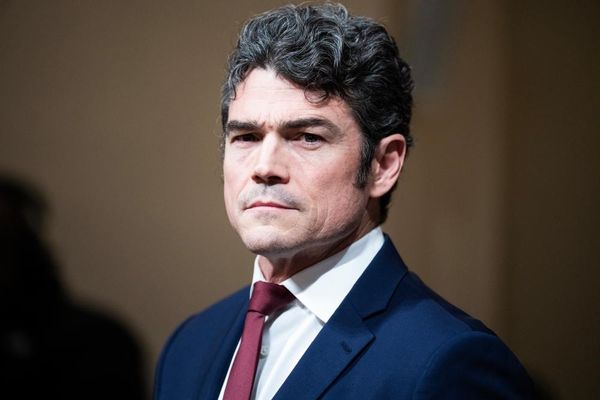
The presentation “showed an enormous lack of understanding from the Twitter team of how serious this issue is, the threat it poses to democratic institutions”, Sen Warner said.
Facebook has given Congress thousands of advertisements that flowed from fake Russian-linked accounts intent on widening divisions in American society, and Twitter said on Thursday that it had suspended 22 Twitter accounts tied to the fraudulent Facebook accounts and investigated “an additional 179 related or linked accounts”, removing those that violated the site's rules. The company said it had actively policed tweets that sought to “suppress or otherwise interfere with the exercise of voting rights”, including by seeking to counter false claims that people can vote via text.
“We have not found accounts associated with this activity to have obvious Russian origin but some of the accounts appear to have been automated”, the post said. “We have shared examples of the content of these removed Tweets with congressional investigators”.
But the company did not do enough to assuage Sen Mark Warner, a Virginia Democrat, who lambasted the company's presentation as “deeply disappointing” and “inadequate on almost every level”.
Social media’s role in disseminating misleading or false content, including Russia-linked propaganda, has come under the microscope as Congress probes the extent of the Kremlin’s influence campaign. A study by Oxford University researches concluded that Twitter was a powerful conduit for falsehoods during the 2016 campaign, finding that “junk news” abounded and that “Twitter users got more misinformation, polarising and conspiratorial content than professionally produced news”.
Twitter argued that its effort to purge fraudulent or manipulative content did not originate with the 2016 election cycle.
“Russia and other post-Soviet states have been a primary source of automated and spammy content on Twitter for many years”, the company said. “Content that violates our rules with respect to automated accounts and spam can have a highly negative effect on user experience, and we have long taken substantial action to stem that flow”.
But social media hubs like Facebook and Twitter are facing intensifying political pressure. Representatives of Facebook had previously briefed Senate Intelligence Committee staffers, and questions about social media and the 2016 election could soon get a public airing, as Facebook, Twitter and Alphabet have reportedly been invited to testify before Congress in November.
Earlier this week Facebook founder Mark Zuckerberg took back an earlier comment, made shortly after the contentious 2016 campaign concluded, that it was “crazy” to think fake news distributed through Facebook shaped the election's outcome. He posted a message on Facebook after Mr Trump claimed the company had been against him.
“Calling that crazy was dismissive and I regret it” Mr Zuckerberg wrote. “This is too important an issue to be dismissive. But the data we have has always shown that our broader impact - from giving people a voice to enabling candidates to communicate directly to helping millions of people vote - played a far bigger role in this election”.