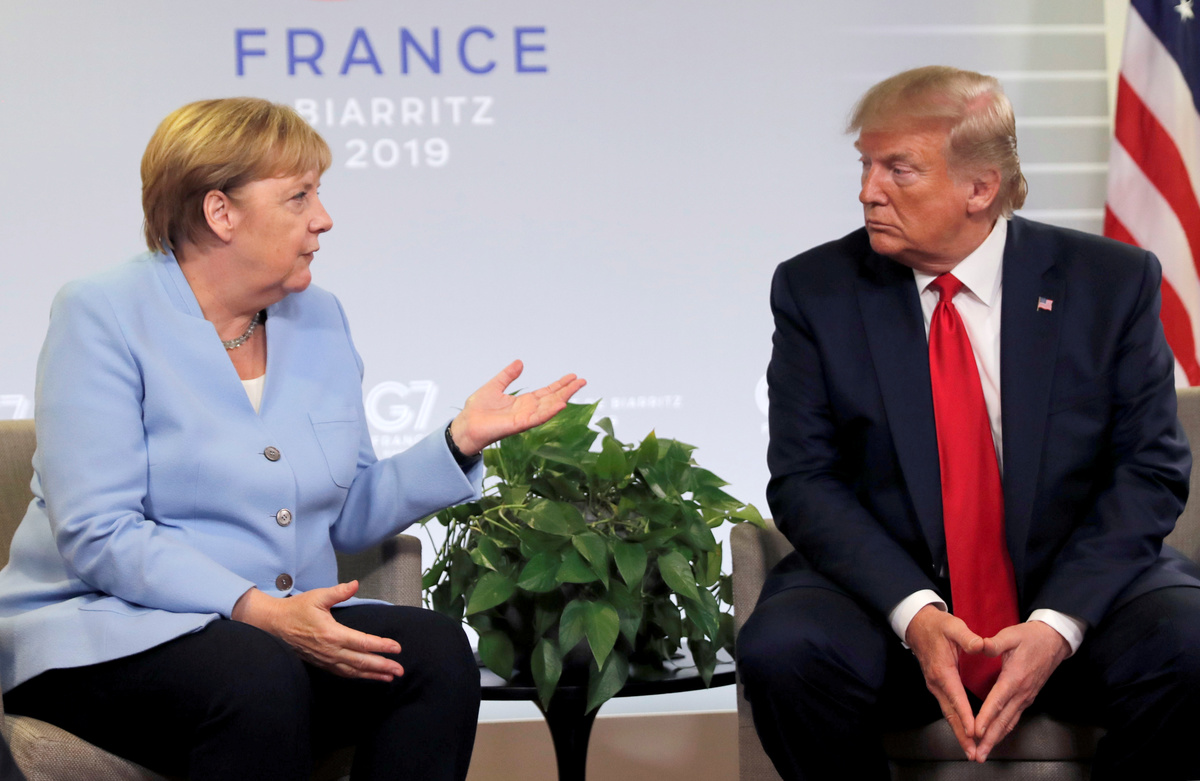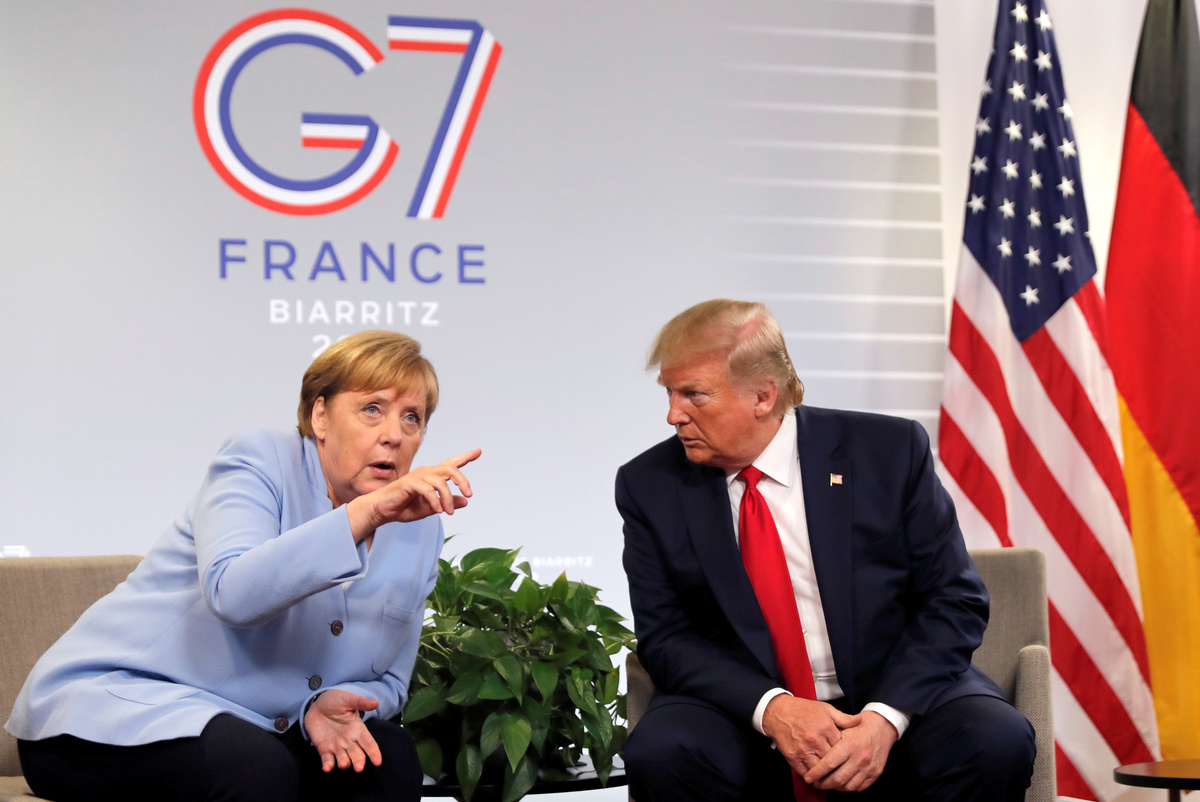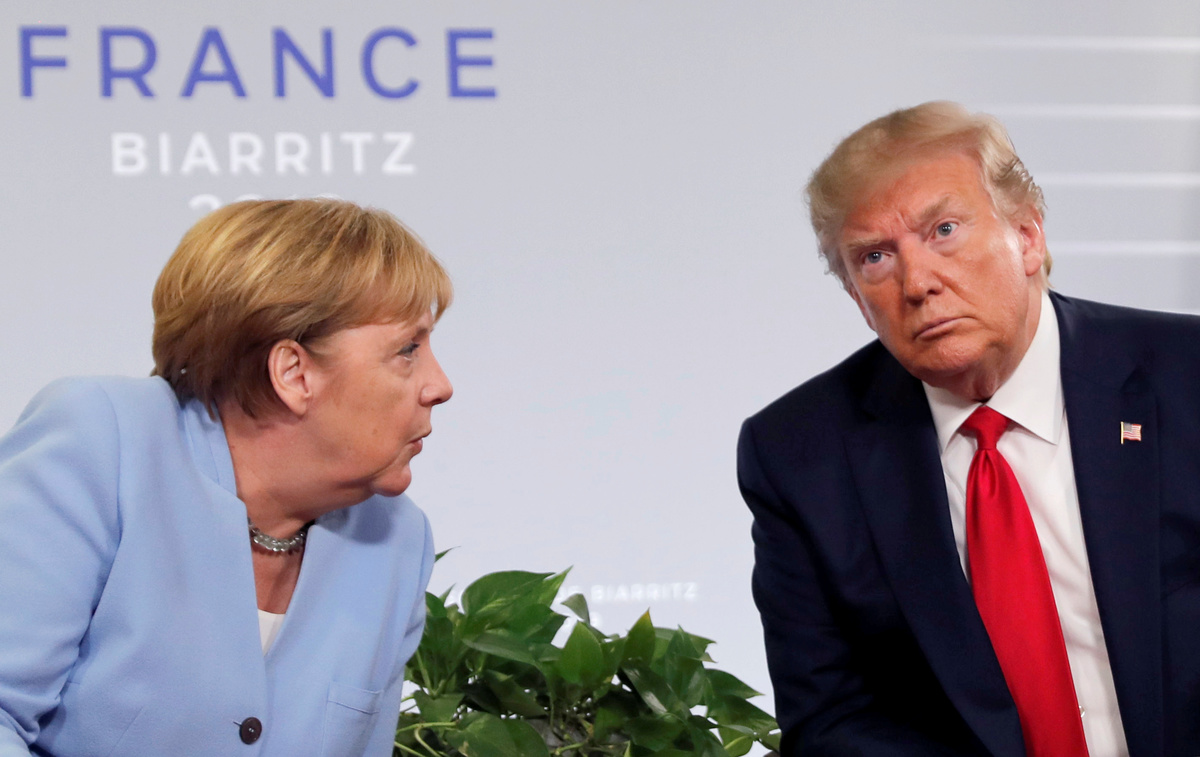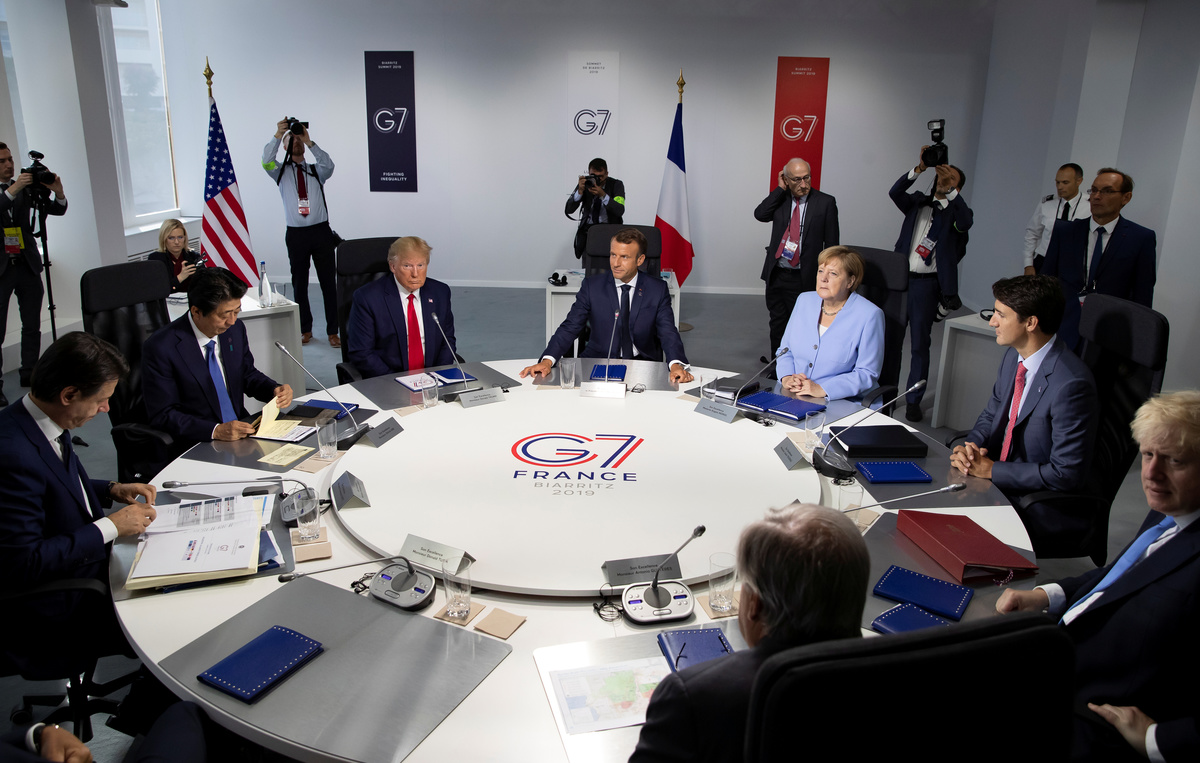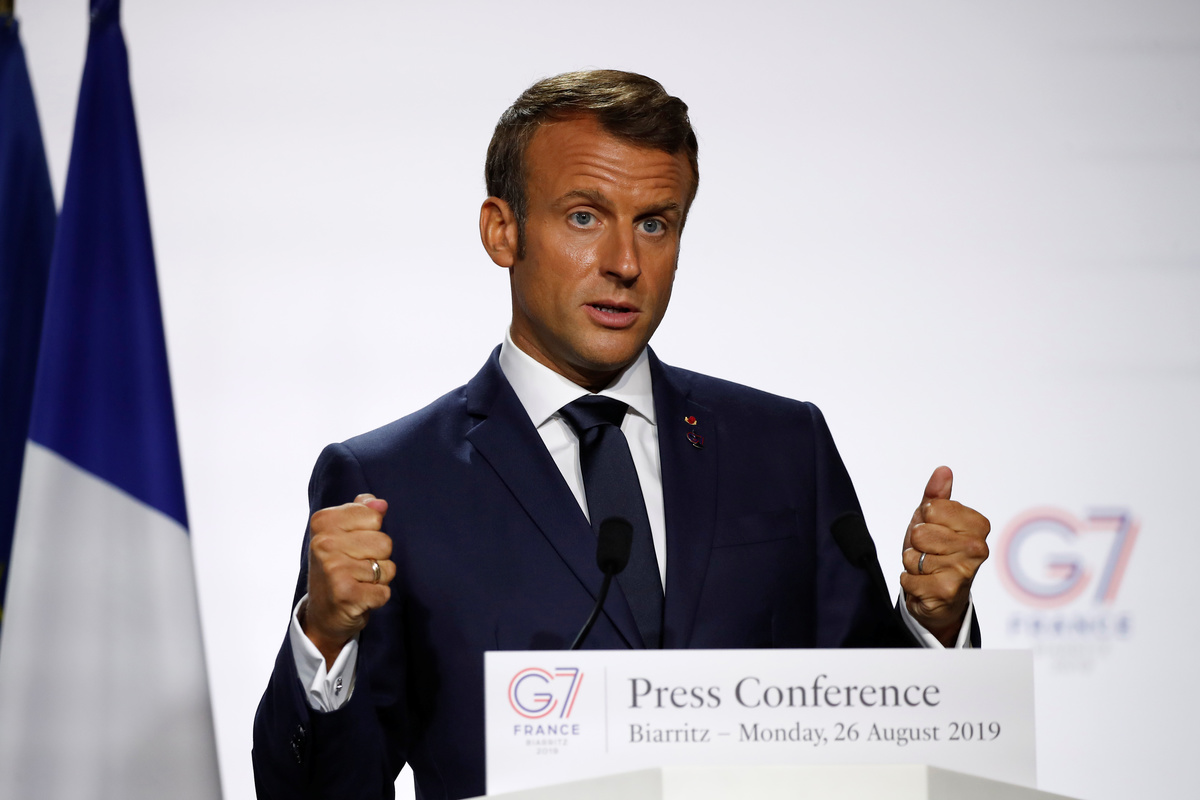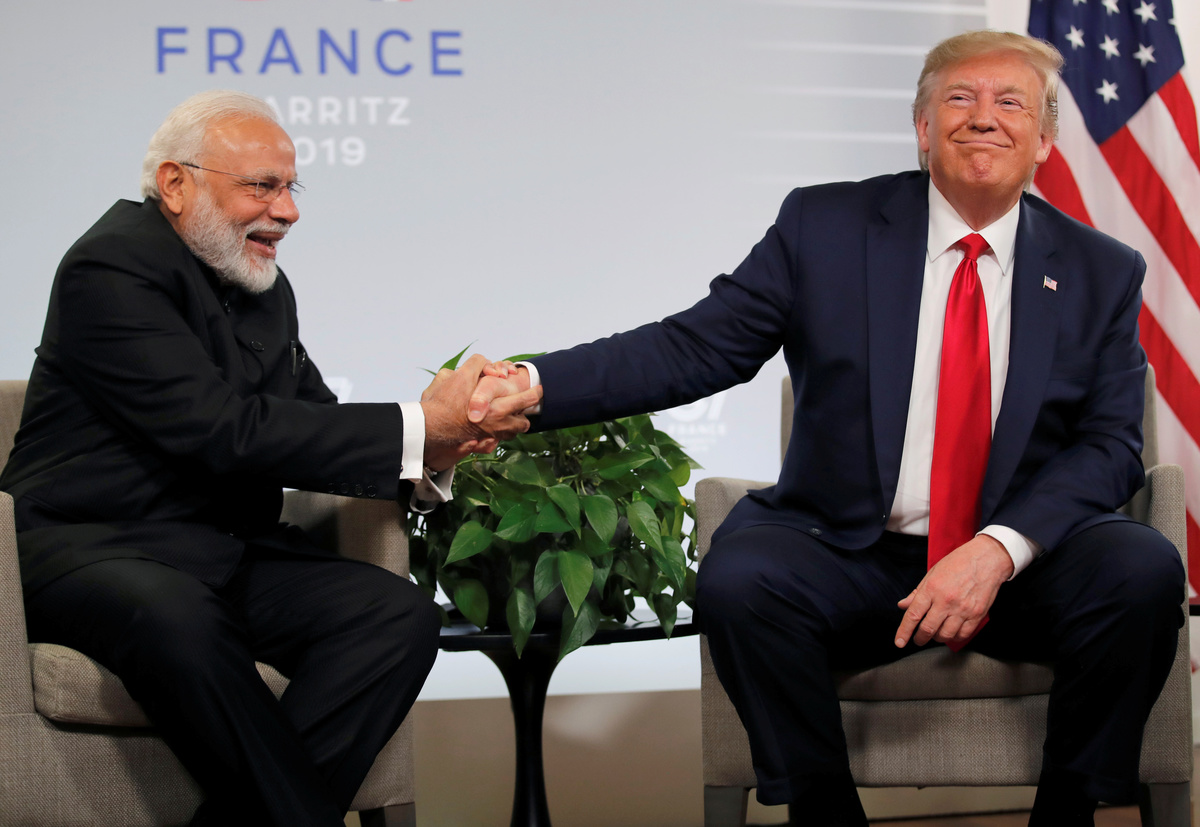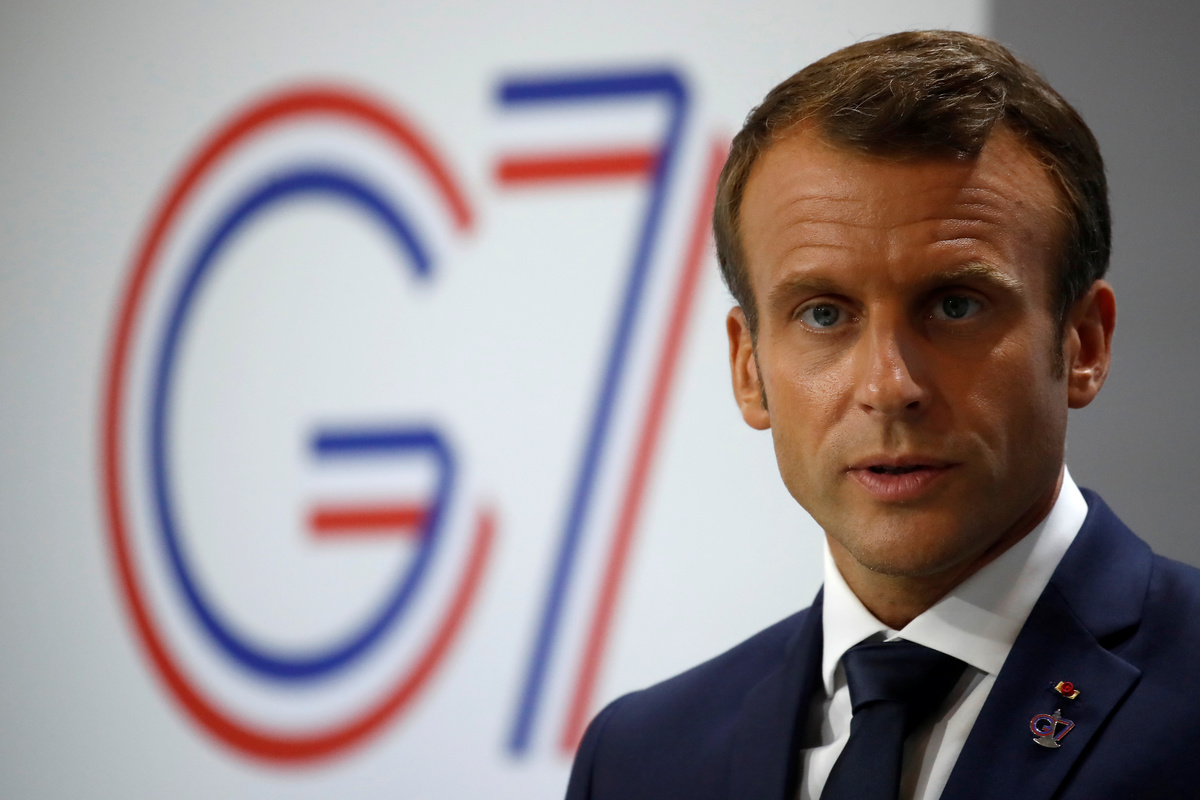
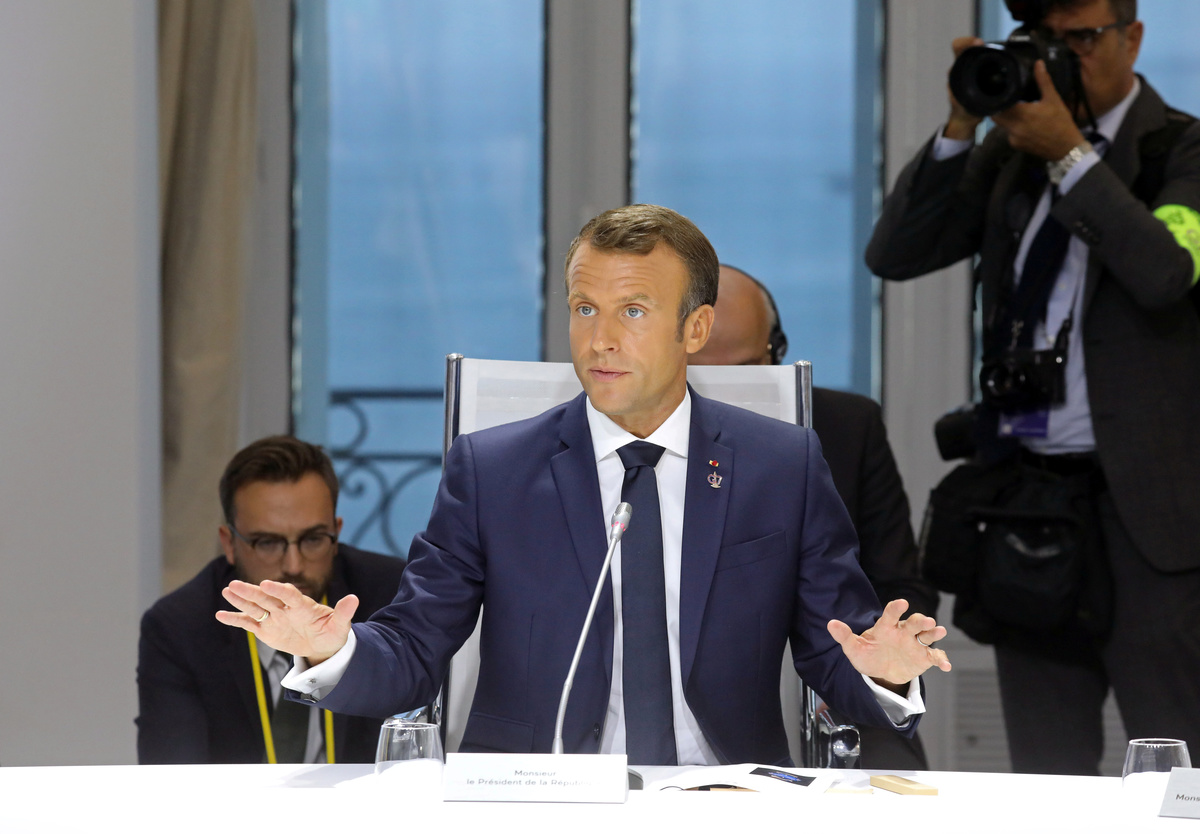
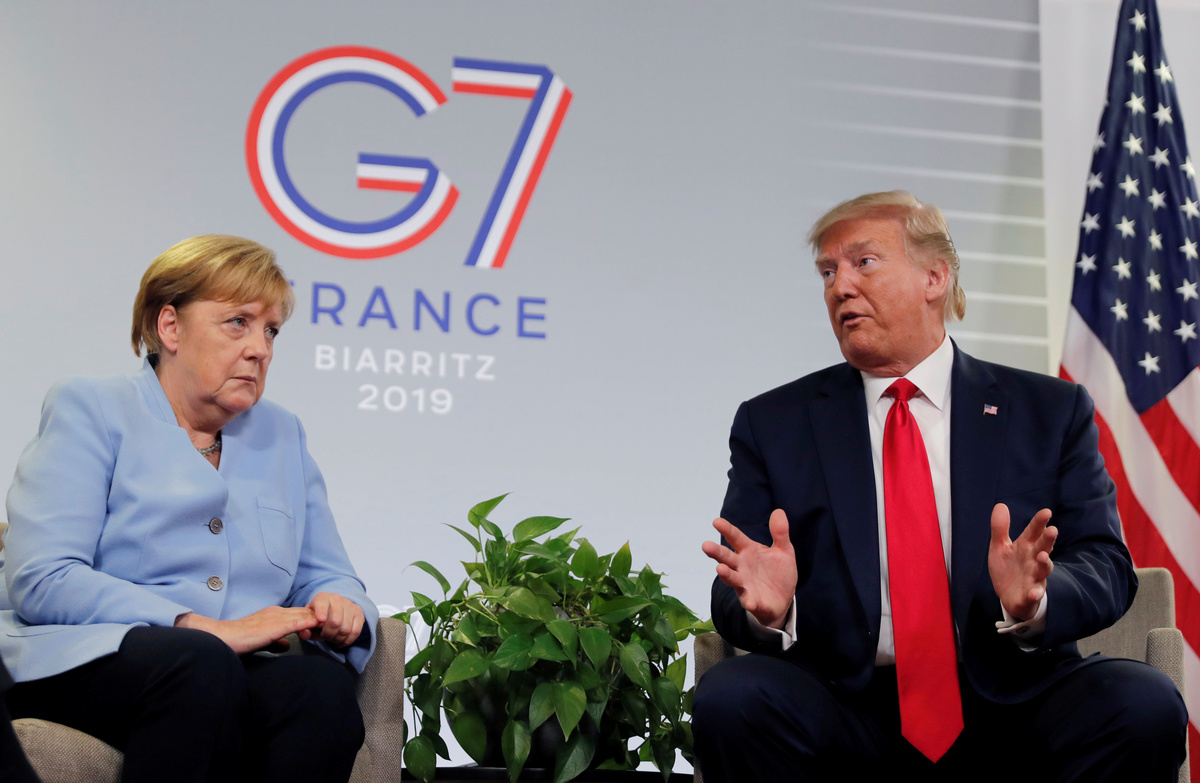
BIARRITZ, France (Reuters) - French President Emmanuel Macron paved the way at a G7 summit for a diplomatic solution to the standoff between Washington and Tehran over a 2015 nuclear deal, but there was little else to show from a meeting at which allies were sharply divided.
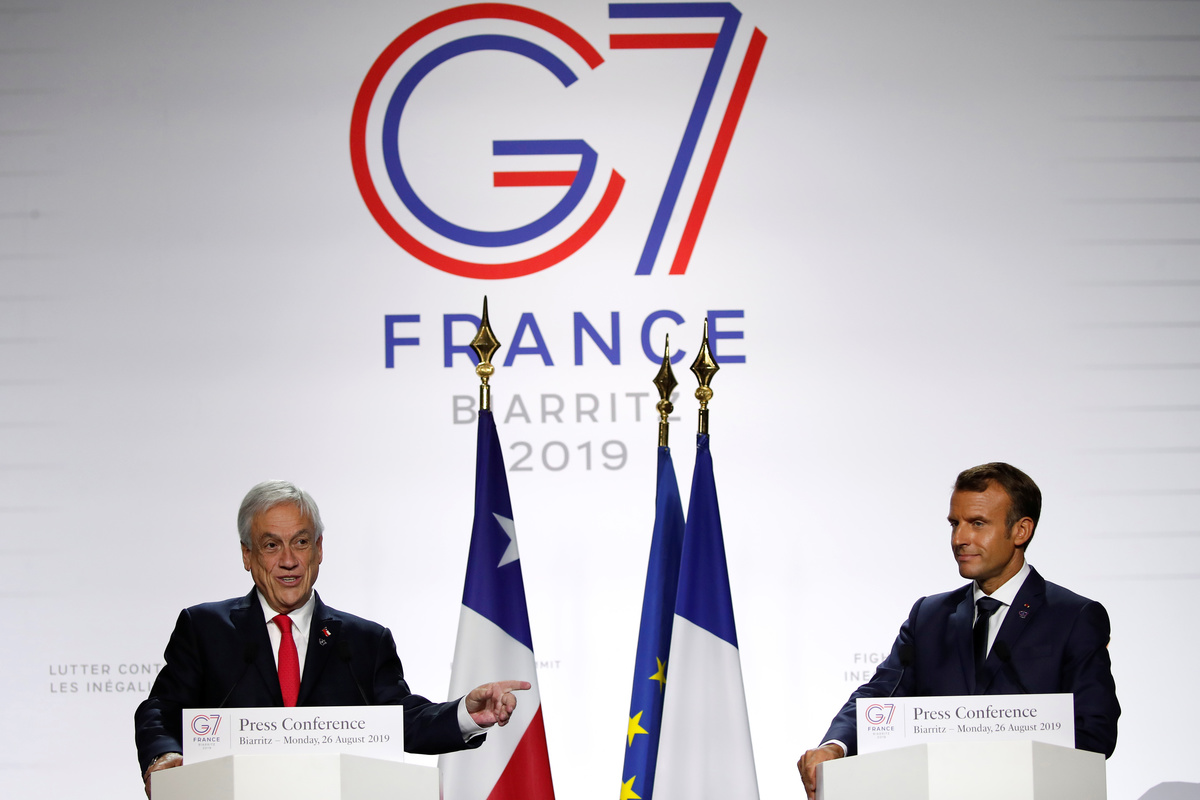
Macron, host of the summit of seven industrialized nations that ended on Monday in the French seaside resort of Biarritz, said that Iranian President Hassan Rouhani had told him he was open to a meeting with U.S. President Donald Trump.
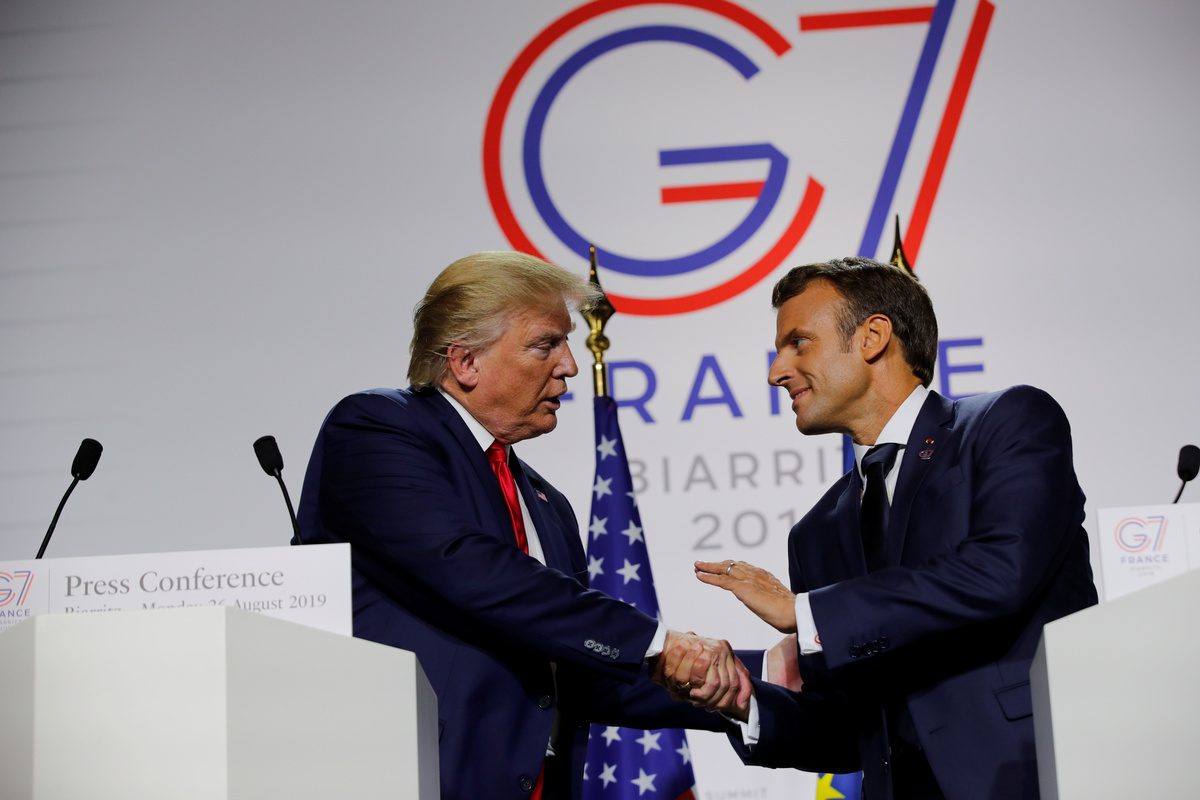
Trump told a news conference before heading home that it was realistic to envisage a meeting with the Iranian head of government in the coming weeks. Both leaders are scheduled to attend the United Nations General Assembly next month.
European leaders have struggled to calm a confrontation between Iran and the United States since Trump pulled his country out of Iran's internationally brokered 2015 nuclear deal last year and reimposed sanctions on the Iranian economy.
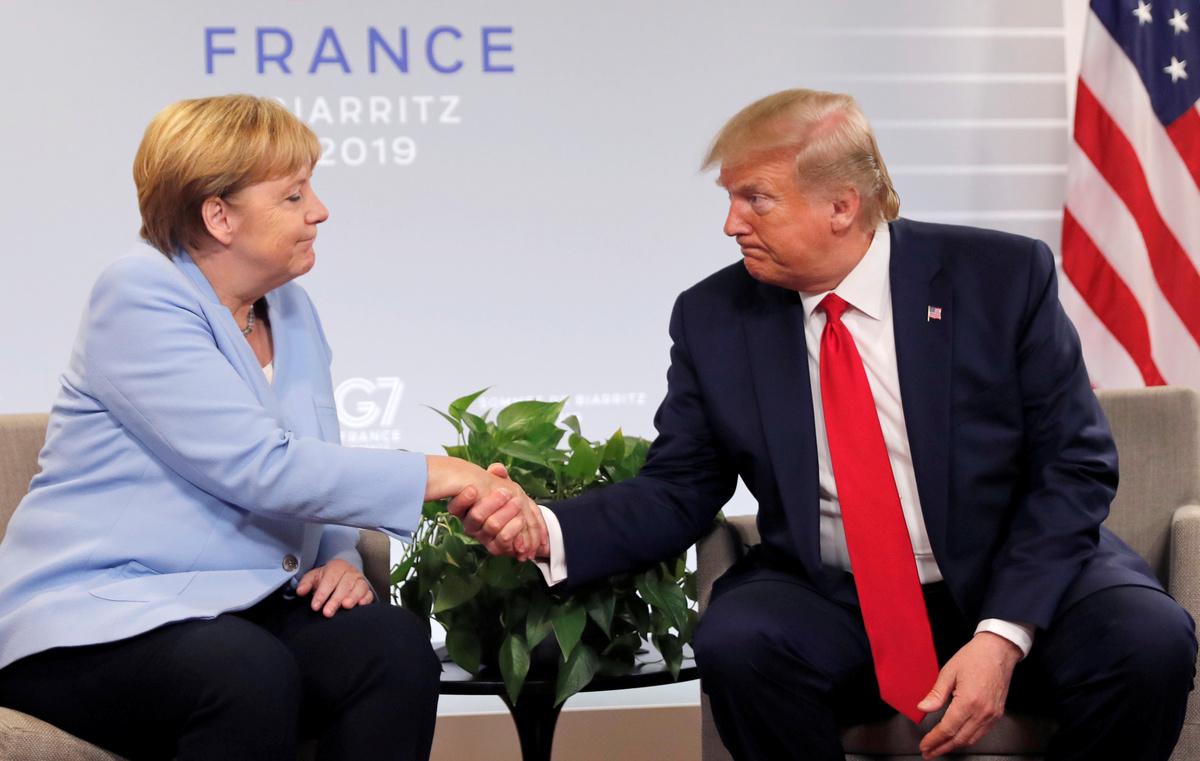
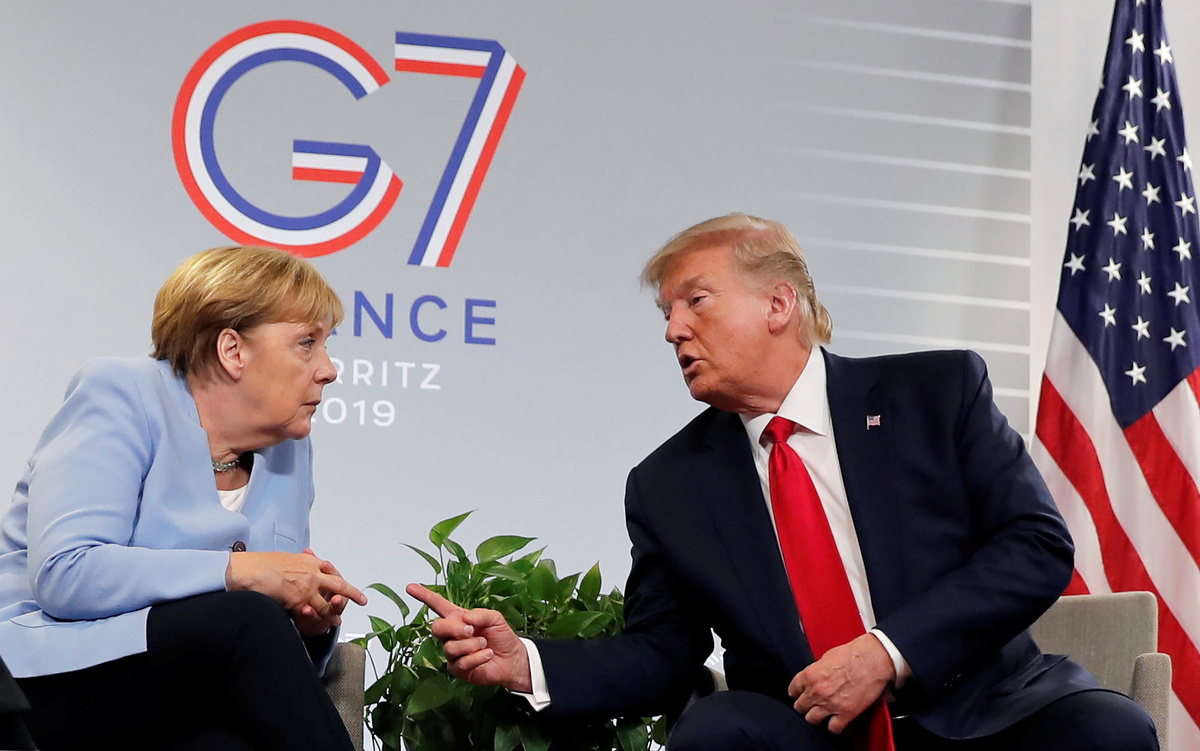
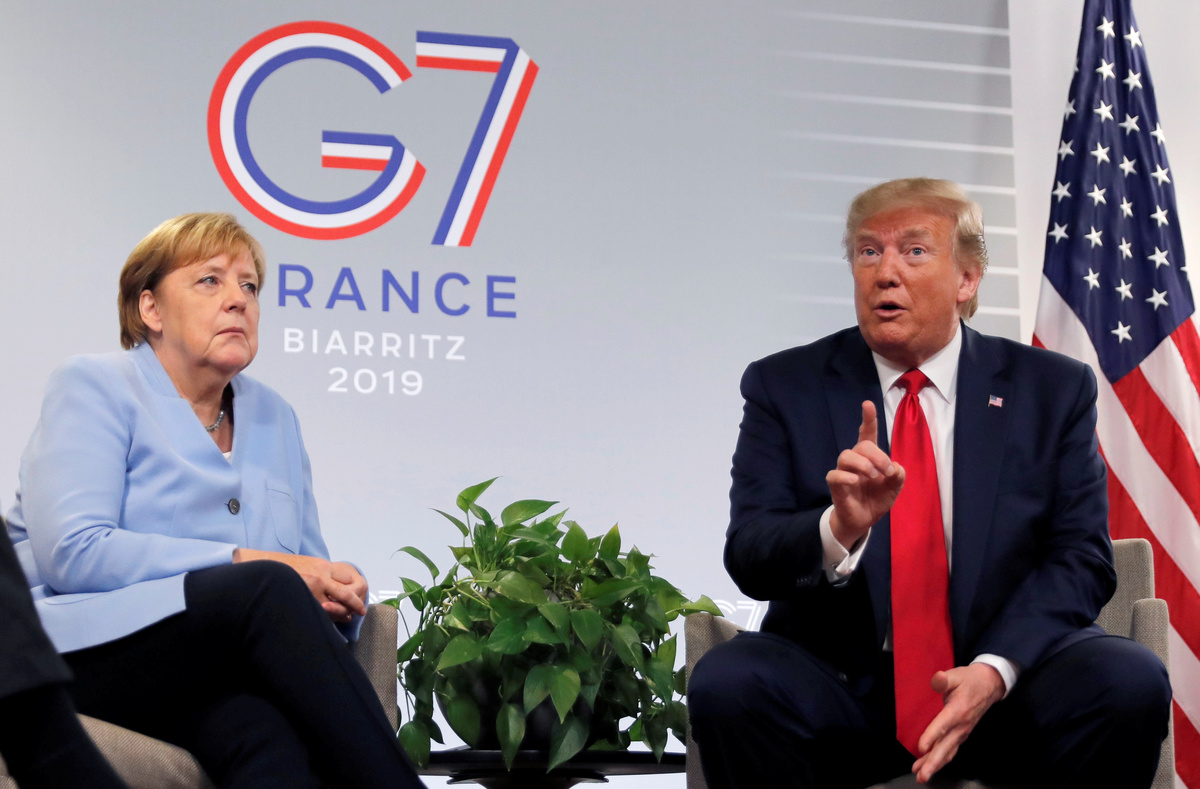
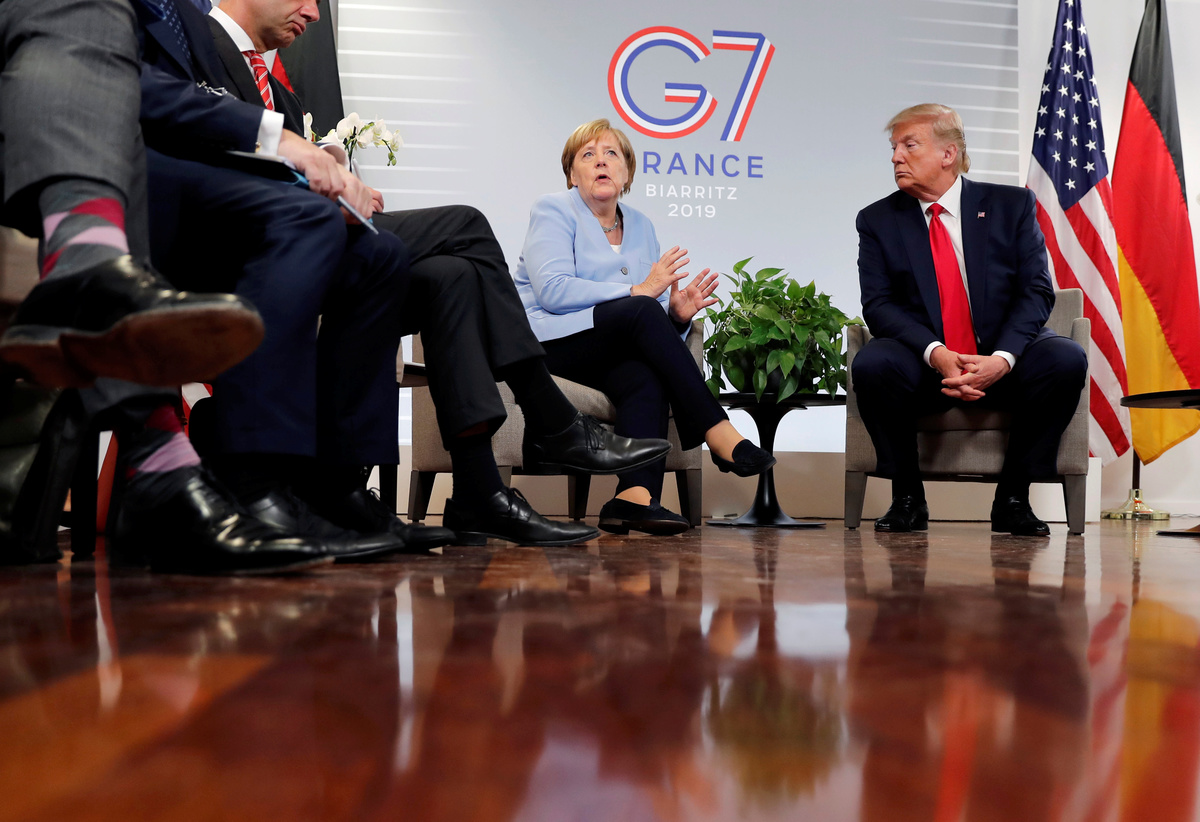
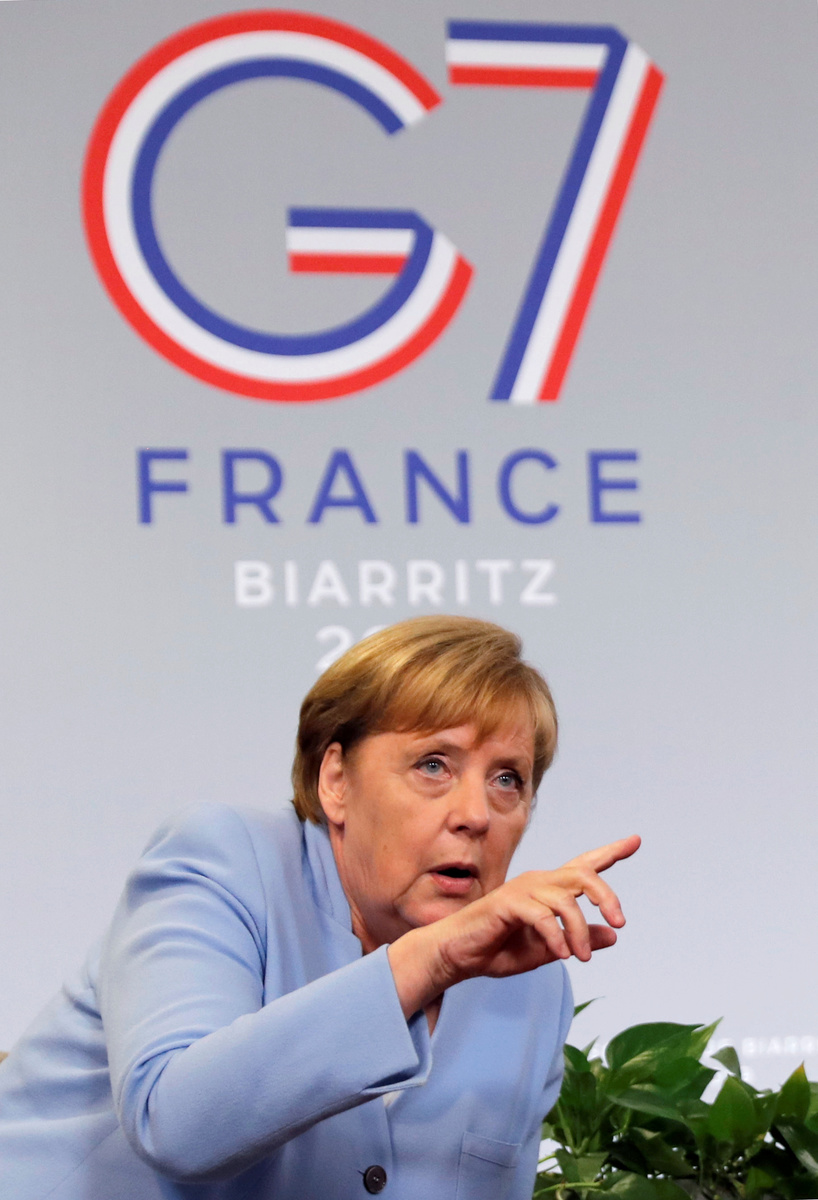
"What unites us, and that is a big step forward, is that we not only don't want Iran to have nuclear weapons, but we also (want to) find the solution to that via political means," German Chancellor Angela Merkel said at the end of the gathering.
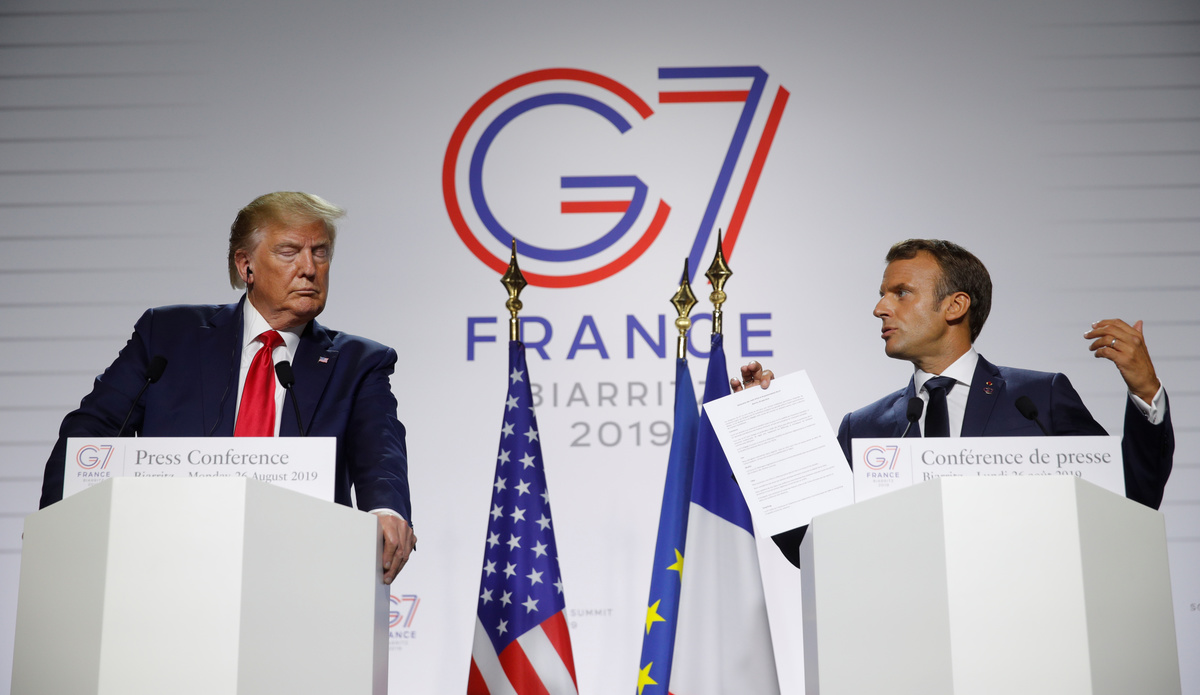
Macron has led efforts to defuse tensions, fearing a collapse of the nuclear deal could set the Middle East ablaze.
Trump ruled out lifting sanctions but said talks were underway to see how countries could open credit lines to keep its economy afloat. He indicated he wanted to address the nuclear deal's timescale and said he did not want regime change.
"I'm looking at a really good Iran, really strong, we're not looking for regime change," he said. "And we're looking to make Iran rich again, let them be rich, let them do well."
But, apparently referring to Iran’s recent rhetoric about its ability to attack U.S. interests, Trump suggested Iran would meet “violent force" if it followed through on its threats.
FEW CONCRETE RESULTS
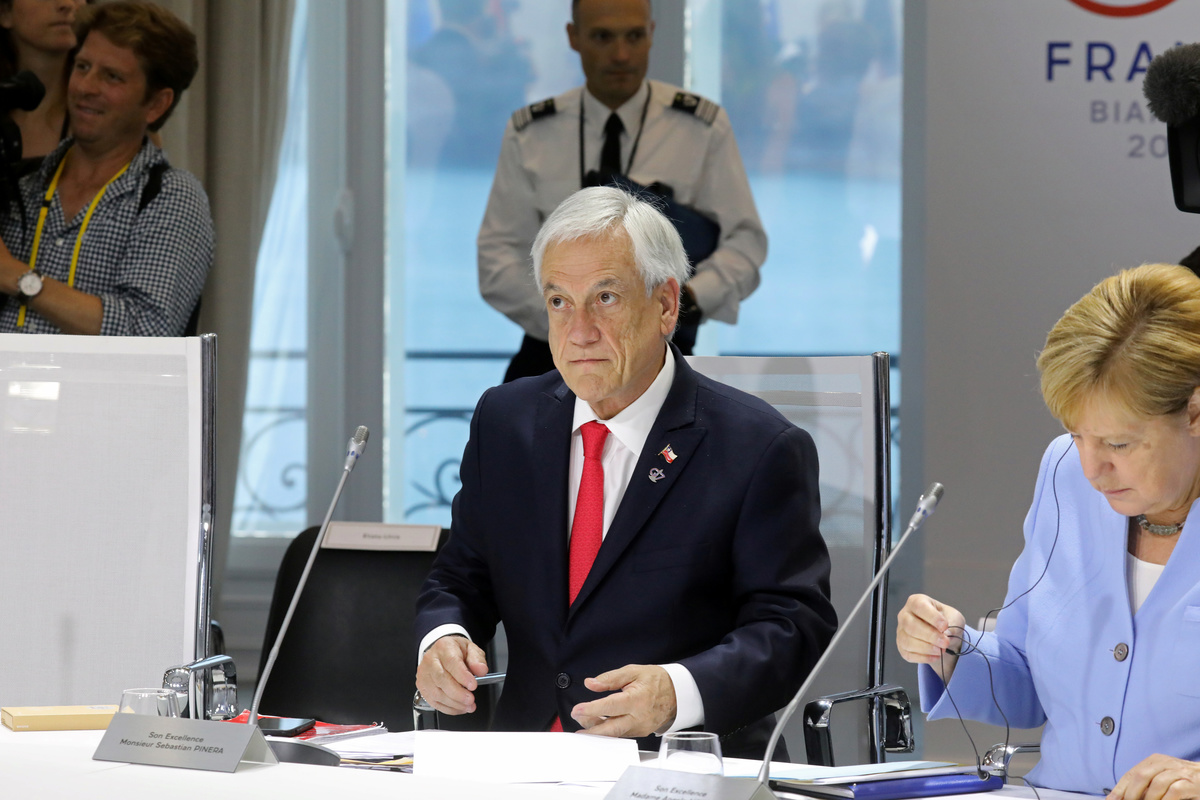
Despite the headway made on Iran, the meeting ended with few significant deliverables because there were so many issues dividing the United States and its allies in particular.
These ranged from Washington's escalating trade war with China, which many fear could tip the slowing world economy into recession, how to deal with North Korea's nuclear ambitions and the question of whether Russian President Vladimir Putin should be readmitted to the group.
The U.S. president up-ended last year’s G7 summit in Canada, walking out of the meeting early and disassociating himself from the final communique having initially endorsed the document.

Trump said he had got on very well in Biarrtiz with fellow leaders from the group that also comprises Britain, Canada, France, Germany, Italy and Japan.
However, Macron decided ahead of the meeting not to try for a communique after last year's quarrel, and in the end France issued a terse one-page summit statement that mentioned trade, Iran, Libya, Ukraine and Hong Kong.
Trump offered an olive branch to China after days of intense feuding between the world's two largest economies over trade that has spooked financial markets and worried his G7 allies.
Washington's dispute with Beijing escalated last week as both sides levelled more tariffs on each other's exports.
However, on Monday Trump said he believed China wanted to make a trade deal after it contacted U.S. trade officials overnight to say it wanted to return to the negotiating table.
He hailed Chinese President Xi Jinping as a great leader and said the prospect of talks was a very positive development.
Asked about the White House's apparent flip-flopping, he said: "It’s the way I negotiate."
NO CONSENSUS ON BRINGING RUSSIA BACK
Trump skipped a summit session on climate change at which they agreed to $20 million technical and financial help for Brazil and its neighbours stop the Amazon forest fires.
Macron said Trump agreed on the initiative but could not attend because of bilateral meeting engagements.
A record number of fires are ravaging the rainforest, many of them in Brazil, drawing international concern because of the Amazon's importance to the global environment.
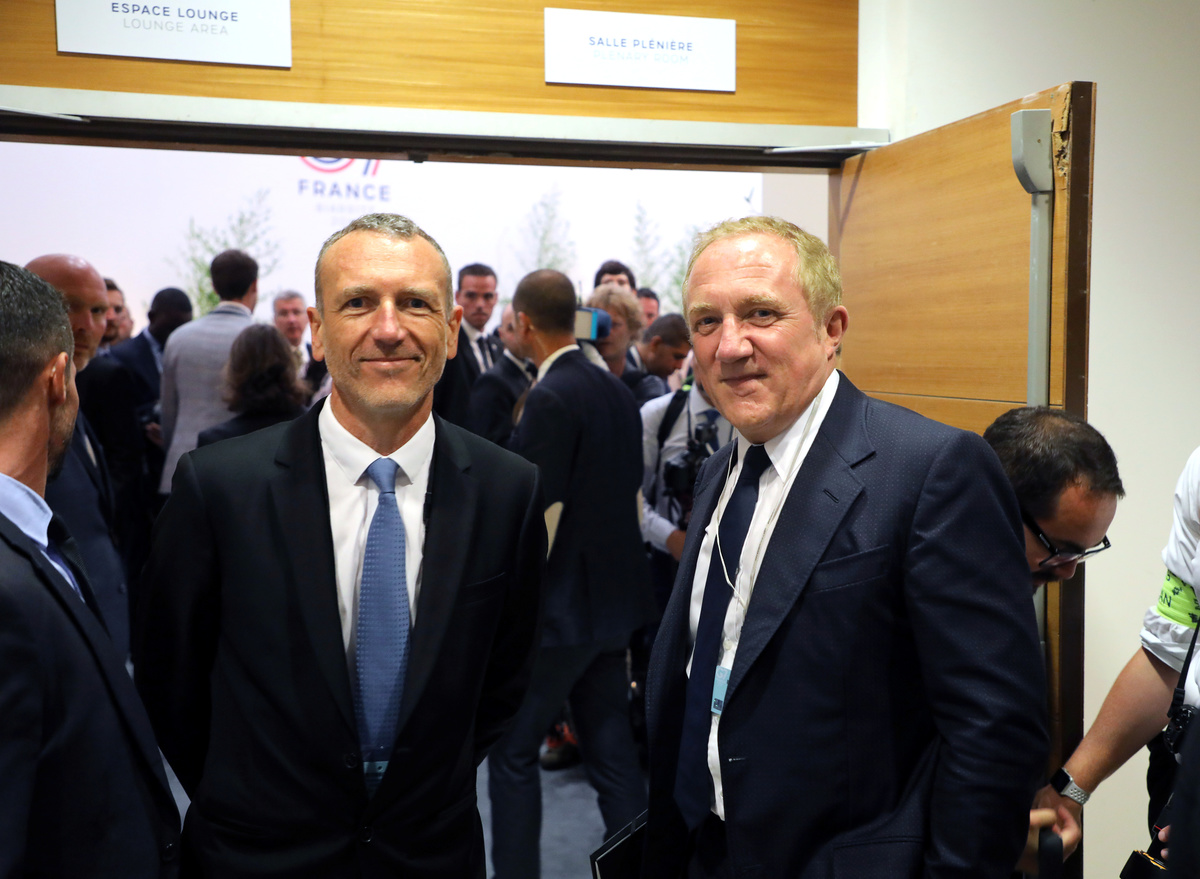
Macron said there was no consensus on Trump's proposal to invite Russia back to what used to be the G8.
Moscow was excluded from the group in 2014 after it annexed Ukraine’s Crimea and then backed an anti-Kiev rebellion in the industrial region of Donbas in eastern Ukraine.
Two European officials said that efforts by summit 'sherpas' to agree on statements on global cooperation on artificial intelligence and gender equality were blocked by the U.S. delegation in talks that went into Sunday night.
"Let's say our sessions have been much harder and longer than previously thought because one delegation blatantly blocked almost everything, showing little will to really negotiate and move forward," said a senior European diplomat, who declined to be named.
U.S. officials were not available to comment on the impasse.
(Reporting by Richard Lough, John Irish, Crispian Balmer, Marine Pennetier, John Chalmers, Jeff Mason, William James, Andreas Rinke and Michel Rose; Writing by John Chalmers; Editing by Alison Williams, Editing by William Maclean)