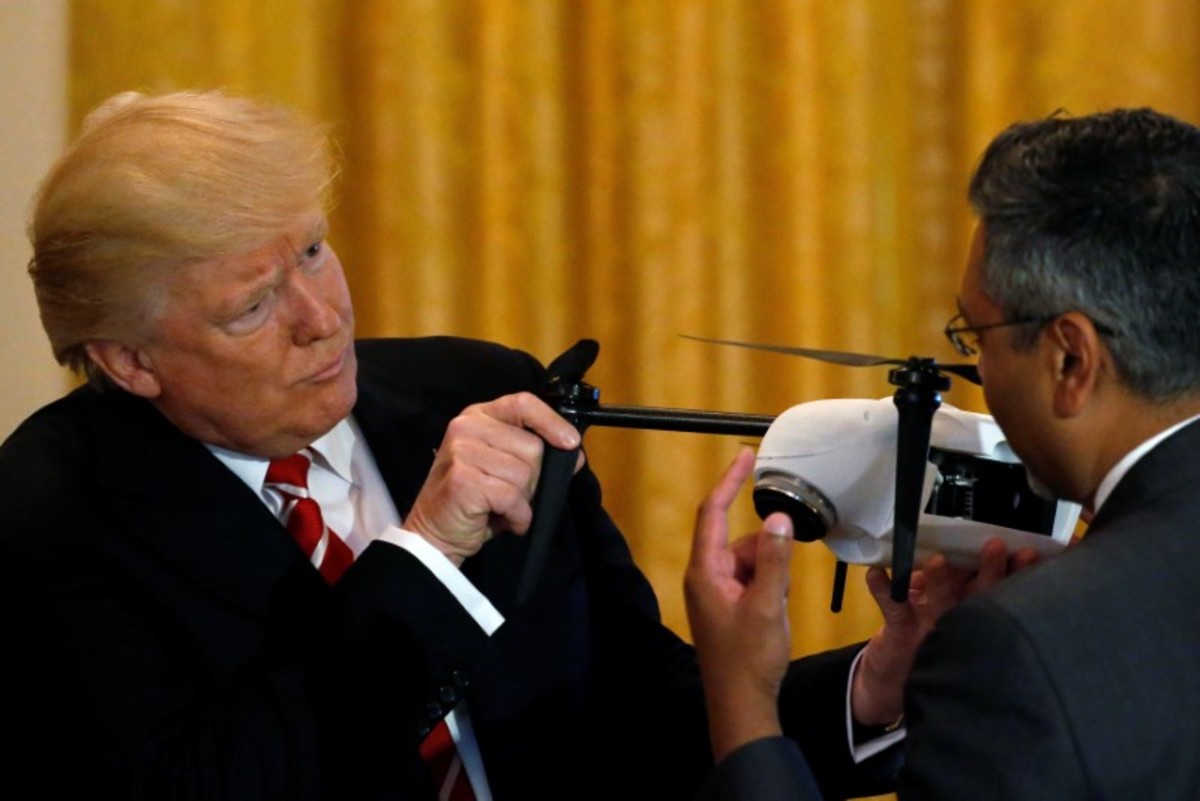
WASHINGTON (Reuters) - U.S. President Donald Trump offered support for emerging technologies including unmanned aerial vehicles and next-generation wireless networks in a meeting on Thursday with the chiefs of AT&T Inc and General Electric Co and other business leaders.
The White House brought together venture capitalists and executives from the telecommunications and drone, or unmanned aerial system, industries to discuss how the government can speed technologies to market.
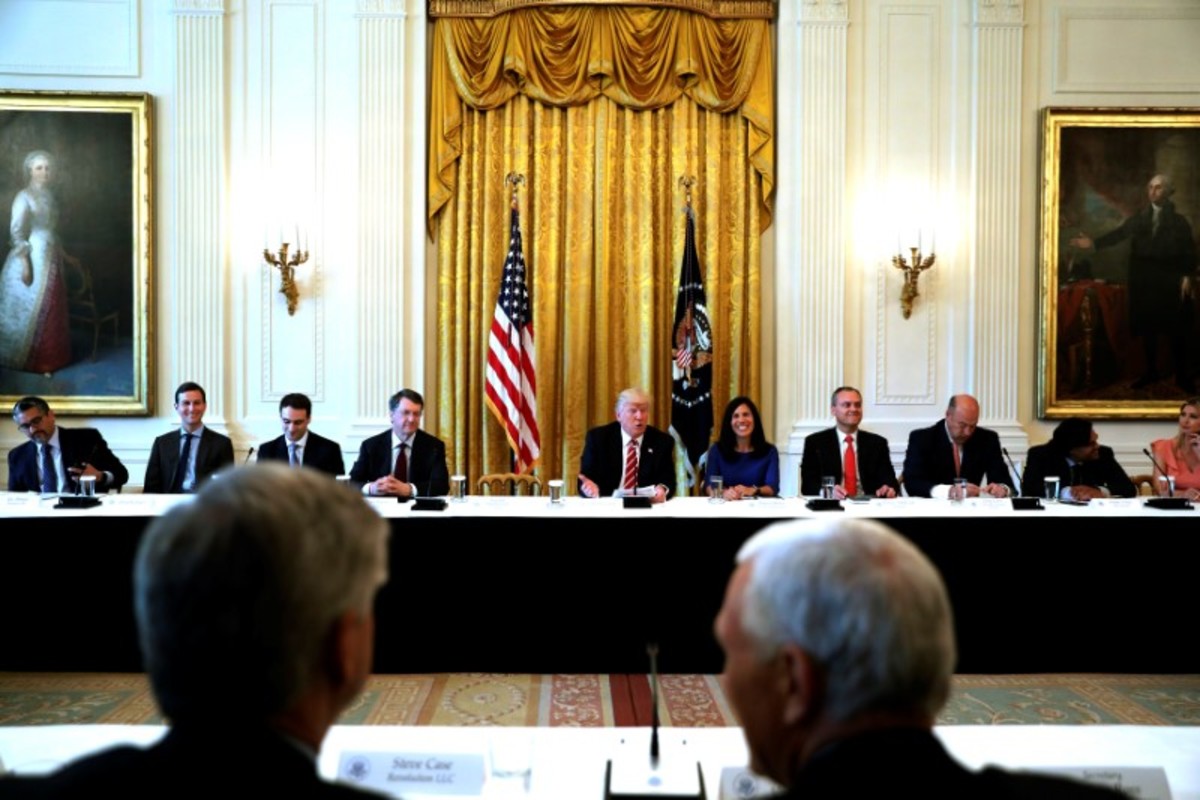
The meeting, which lasted more than three hours including breakout sessions, is part of Trump's effort to tap industry experts on how to boost U.S. competitiveness in various fields and create jobs.
On Monday, Trump met with the heads of 18 U.S. technology companies including Apple Inc, Amazon.com Inc and Microsoft Corp, seeking their help to make the government's computing systems more efficient.
He will meet with energy industry leaders next week.
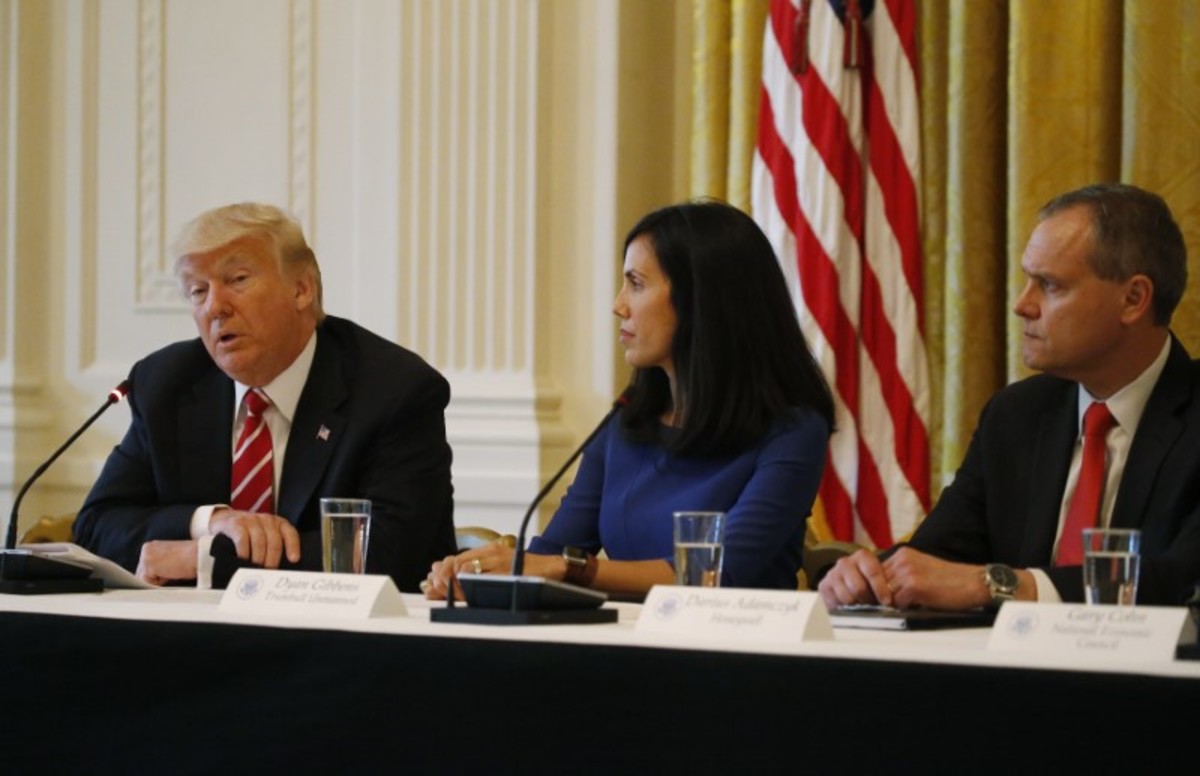
"We want them to create new companies and lots of jobs," Trump told the executives on Thursday. "We're going to give you the competitive advantage that you need."
In attendance were chief executives of several drone companies including Kespry Inc, AirMap, Airspace Inc, Measure UAS Inc, Trumbull Unmanned, and PrecisionHawk Inc.
Drone makers argued that the administration should move faster to approve broader commercial use of drones and noted that the Transportation Department does not require automakers to win pre-approval of self-driving vehicle technologies.
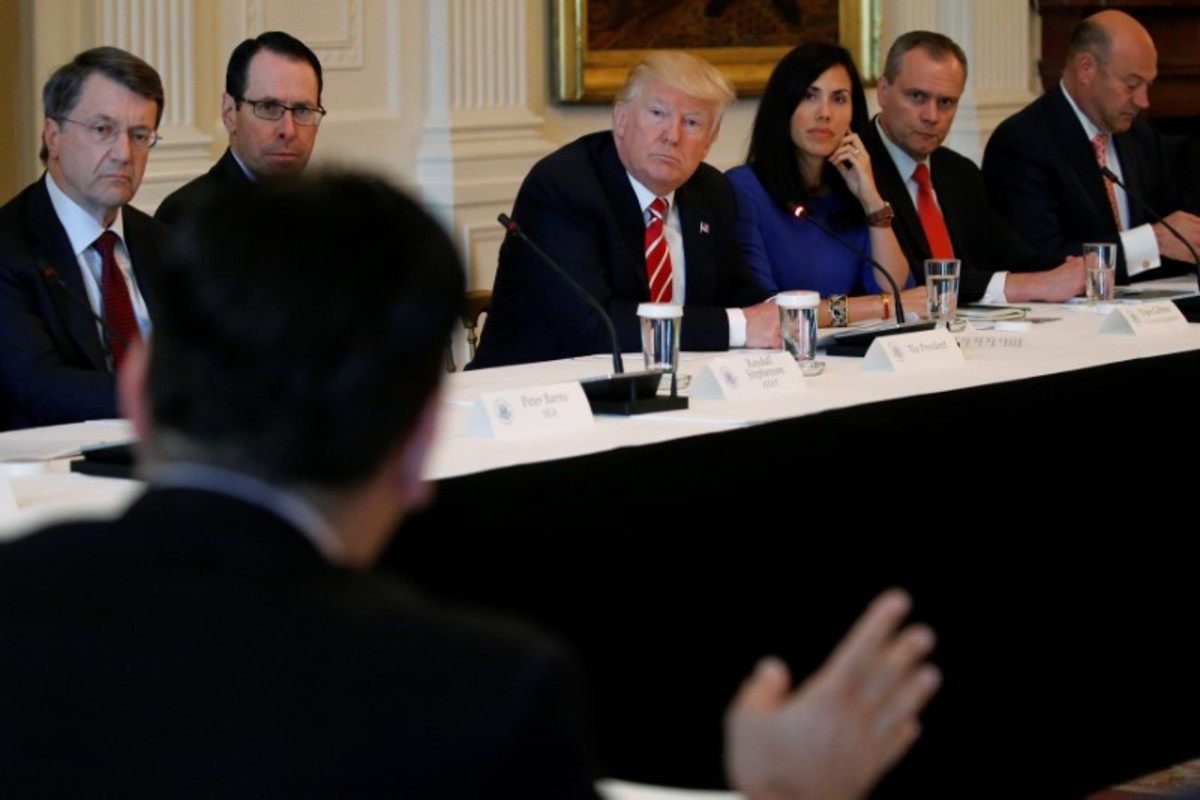
Senior executives at Xcel Energy Inc, Verizon Communications Inc and CenturyLink Inc also took part. Venture capital firms included Revolution LLC, headed by AOL co-founder Steve Case, 500 Startups, Cayuga Ventures, Epic Ventures and Lightspeed Ventures.
Obama administration rules opened the skies to low-level small drones for education, research and routine commercial use. The Trump administration is considering whether to expand drone use for deliveries beyond the view of an operator. Security issues would need to be addressed.
The Federal Aviation Administration in March estimated that by 2021 the fleet of small hobbyist drones will more than triple and commercial drones will grow tenfold to about 442,000.
Last year, regulators cleared the way for next-generation 5G wireless networks, with expected speeds at least 10 times and maybe 100 times faster than today's 4G networks. Testing is under way and deployment is expected around 2020 but infrastructure hurdles remain.
Wireless signals need to be much faster and more responsive to allow advanced technologies such as virtual surgery or remote control of machinery. 5G networks could help to wirelessly connect devices such as thermostats or washing machines.
(Reporting by David Shepardson; Editing by Richard Chang)