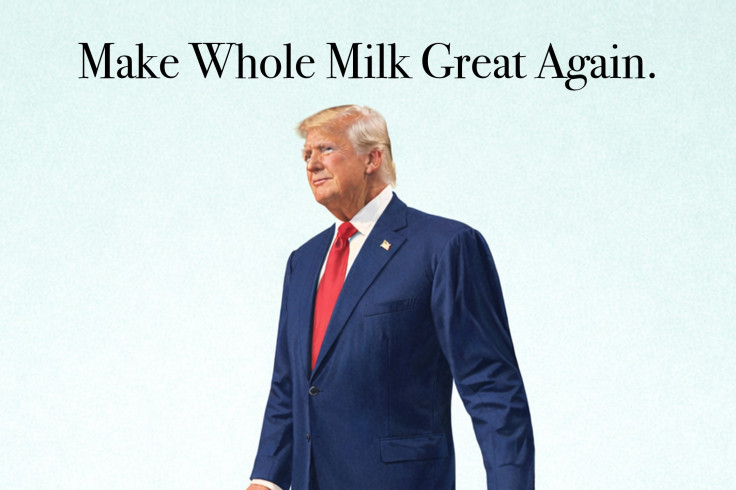
In a move that has captured national attention beyond the corridors of school nutrition policy, United States President Donald Trump has signed the Whole Milk for Healthy Kids Act into law, as announced by the White House. Public school cafeterias will once again be permitted to serve whole and 2% milk.
The change reverses a policy of more than a decade and ties into broader shifts in federal dietary guidance and political priorities.
Whole Milk Back in Schools
On 14 January 2026, Trump formally endorsed a bipartisan bill that restores full-fat dairy options in school meal programmes. This gives school districts the flexibility to offer whole and reduced-fat milk alongside low-fat and fat-free varieties. The law affects the National School Lunch Program, which serves roughly 30 million children nationwide.
The action also broadened access to non-dairy milk alternatives, so long as they meet established nutritional standards and are accompanied by a parental note rather than a physician's note.
On X, the White House also shared a post featuring the president, carrying crates of bottled milk in both hands. Above him is the slogan 'Make Whole Milk Great Again,' which a clear play on his famous campaign catchphrase.
Make Whole Milk Great Again.🥛 pic.twitter.com/l14FZhZDgw
— The White House (@WhiteHouse) January 15, 2026
Inside the Whole Milk Act
The Whole Milk for Healthy Kids Act of 2025 amends the National School Lunch Act, effectively reversing the restriction introduced under earlier federal nutrition rules that limited milk served in schools to low-fat or fat-free options. Under the new law, schools may now offer whole, 2%, 1%, skim and lactose-free milks, as well as fortified non-dairy beverages.
Importantly, the law also allows schools to exclude the saturated fat content of milk when calculating weekly dietary limits on saturated fats. It's a regulatory shift that had prevented higher-fat milks from being offered without exceeding meal plan targets.
The recent policy change aligns with the latest updates to the Dietary Guidelines for Americans, which for the 2025–2030 cycle now includes full-fat dairy as a component of a healthy dietary pattern. This marks a shift from earlier recommendations that prioritised low-fat or fat-free dairy for individuals over the age of two.
Why Whole Milk Was Banned
The policy shift traces back to the Healthy, Hunger-Free Kids Act of 2010 under the Obama administration, which reshaped school nutrition rules. That legislation aimed to combat rising rates of childhood obesity by tightening nutrition standards for school meals, including limits on saturated fat and calories. As part of those reforms, whole milk — with its higher fat content — was largely removed from school menus in favour of 1% or skim milk.
The intention was to align school meal offerings with dietary recommendations at the time, which associated lower saturated fat intake with reduced risk of cardiovascular disease. While the policy was applauded by many public health groups, it was also criticised by some parents and dairy producers who said children were less inclined to drink lower-fat milk, leading to greater waste and missed nutritional opportunities.
Now, Trump's recent legislation successfully nullifies a nearly 15-year-old provision, signalling a definitive shift from prior federal nutrition policy.
'Make America Healthy Again'
The return of whole milk to US school cafeterias is being framed by the Trump administration as part of its wider 'Make America Healthy Again' agenda.
The campaign argues that federal nutrition rules have become overly restrictive and disconnected from evolving science, favouring flexibility and parental choice over rigid limits. Officials say allowing whole milk supports children's access to nutrient-dense foods while also aiding American dairy farmers.