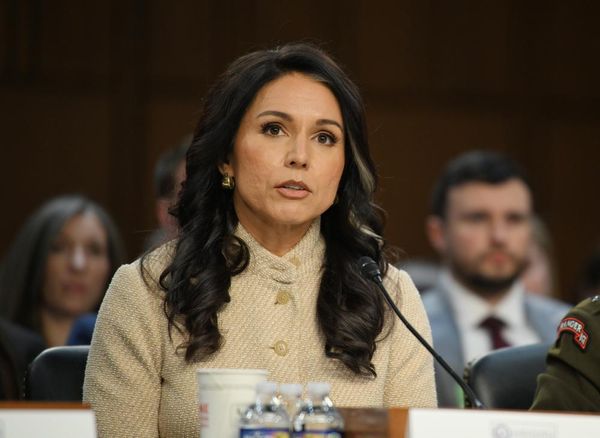
WASHINGTON _ President Donald Trump has delegated authority to determine troop levels in Afghanistan to Defense Secretary James Mattis, the Pentagon chief told lawmakers.
Mattis said Wednesday at a Senate Appropriations subcommittee hearing that he hasn't made any decisions about sending more Americans into the nation's longest-running war. But in testimony earlier this week, Mattis warned lawmakers that the U.S. isn't winning the war in Afghanistan more than 15 years since U.S. forces were deployed to oust the country's Taliban leadership after the Sept. 11 terrorist attacks.
U.S. generals in charge of forces in the region in recent months recommended adding as many as 5,000 troops to about 8,400 already there. While delegating the decision to Mattis is consistent with Trump's tendency to entrust "my generals" with battlefield strategy, it also saves the president from deciding on sending more troops into a war he long ago called a lost cause.
Most of the U.S. troops now in Afghanistan are limited to training Afghan fighters who continue losing territory to the Taliban, although hundreds of U.S. special operations troops are also there to conduct counterterrorist raids against al-Qaida remnants and a growing contingent of Islamic State forces.
Afghan civilian casualties rose to 11,418 last year, the highest since the United Nations began keeping records in 2009, the U.S. special inspector general for Afghanistan reconstruction said in a quarterly report to Congress this year.
Even adding several thousand more U.S. troops would keep levels well below the estimated peak of 100,000 deployed to the country during the Obama administration, not including foreign forces.
Highlighting the continuing security challenges in Afghanistan, three U.S. soldiers were killed in the eastern part of the country last weekend, with a fourth wounded, according to the Pentagon.
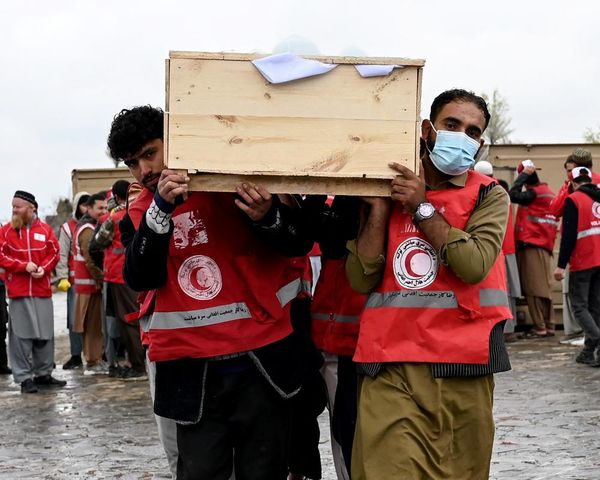
An explosion outside the diplomatic Green Zone in Kabul on May 31 killed at least 150 people and wounded more than 450. Afghanistan's intelligence has service blamed the Haqqani Network, which is supported by Pakistan's main spy agency, for the attack. That was followed by three blasts days later at a funeral attended by politicians, including Chief Executive Abdullah Abdullah, who shares power with President Mohammad Ashraf Ghani and escaped unharmed.