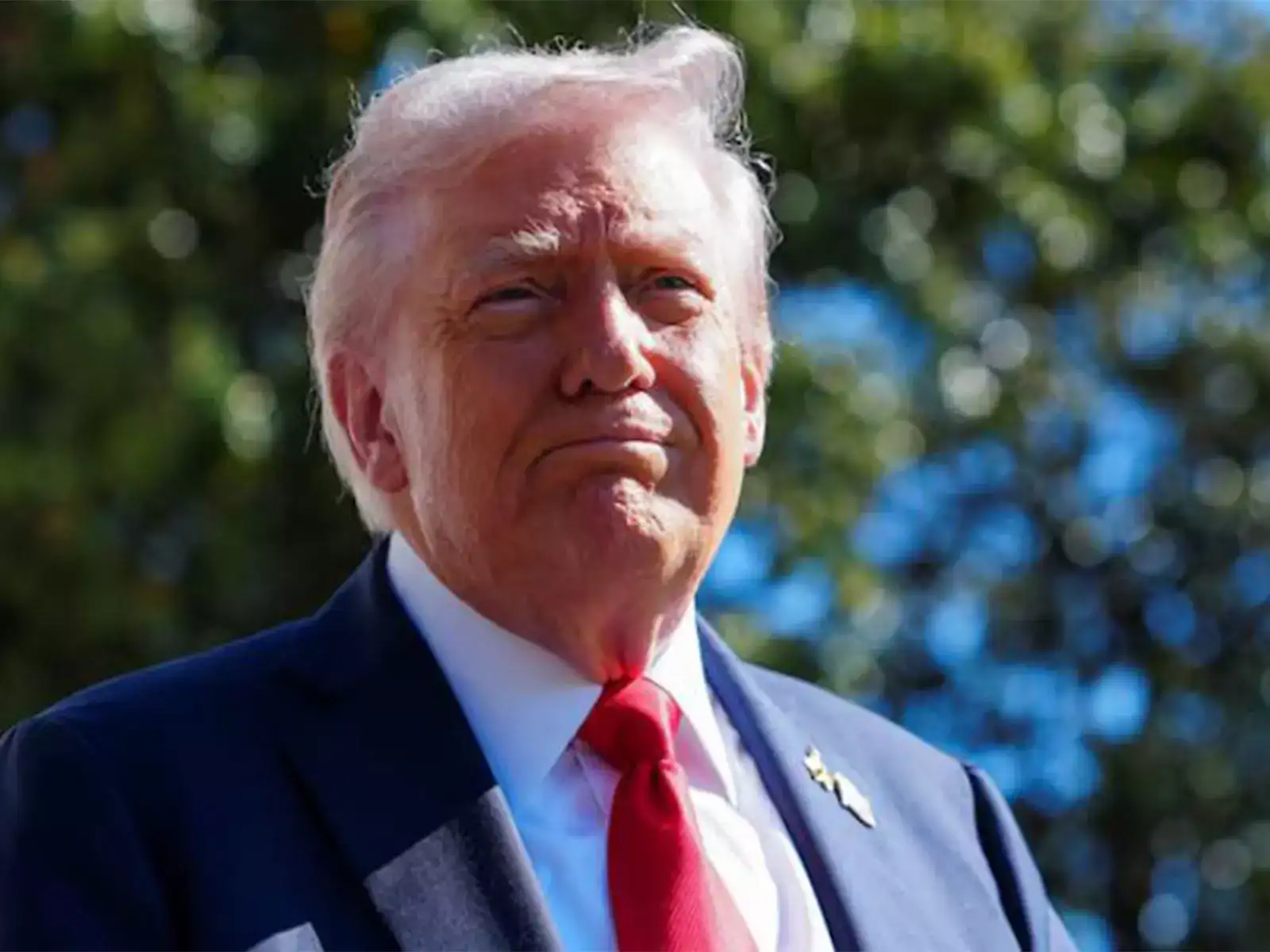
US President Donald Trump on Thursday announced cancellation of scheduled strikes on Iran as discussions and points for ceasefire have been approved by Washington, Israel and other parties. However, he said that the naval blockade will remain in full force. The details of the signing of peace deal will be announced shortly.
"Based on the fact that discussions with the Islamic Republic of Iran have been brought to the highest level of Iranian leadership and approved, I have, as President of the United States of America, cancelled the scheduled strikes and bombings against Iran this evening," he said in a post on Truth Social.
He announced that discussions and final points have been, "in both concept and great detail," approved by all parties involved, including the United States, Israel, Saudi Arabia, UAE, Qatar, Turkey, Pakistan, Bahrain, Kuwait, Jordan, Egypt, and others.
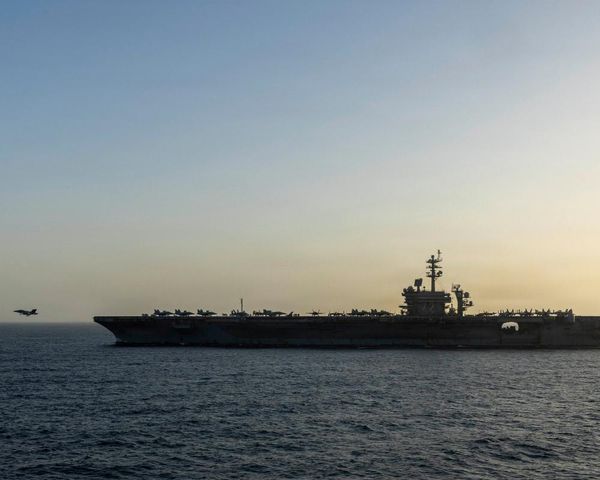
Trump further added that US military's naval blockade will remain in full force and effect "until this transaction is finalized."
However, a confirmation from Iran and other partners is awaited.
Also read: UAE and Iran conduct first face-to-face meeting to try deescalating Middle East tensions
Iran has not yet approved text for US deal
Iran's Fars news agency, citing an unnamed source, said on Thursday that Tehran has not yet approved a text for any deal with the United States.
"No text has been approved for an initial memorandum of understanding with the United States," said Fars, quoting an informed source close to Iran's negotiating team.
Trump threatens strikes on Iran
The peace deal announcement comes hours after Trump threatened Tehran saying US would hit Iran "very hard tonight". He further said that US will "assume total control” of Iran’s oil and gas industries, including the key Kharg Island, in the “not too distant future.”
In another post on the social media platform, he said, "At some point in the not too distant future, we will be taking Kharg Island, and other oil infrastructure points, and assume total control of their Oil and Gas Markets, much like we have with Venezuela, which is working out brilliantly for both Venezuela and the United States of America."
Washington and Tehran have been engaged in a war since February 28, with ceasefire being held at key discussions points including reopening of the Strait of Hormuz, Iranian nuclear programme, US sanctions and halt of Israeli strikes on Lebanon.
US-Iran war: Who is the new mediator in the room?
Earlier on Thursday evening, Bloomberg reported that senior national security officials from the United Arab Emirates (UAE) and Iran held a face-to-face meeting for the first time since the start of the US-Israeli war against Tehran.
People with knowledge of the situation told Bloomberg Abu Dhabi’s latest contact with Iran was mainly motivated by the wealthy Gulf state seeking a detente with a regime it considers an enemy but realizes won’t be dislodged from power.
The meeting was the culmination of multiple attempts by the Iranians to reestablish high-level dialogue with Abu Dhabi, sources said, adding that the UAE had held off to first verify that any interlocutors had a direct line to new Supreme Leader Mojtaba Khamenei and the powerful Islamic Revolutionary Guard Corps.
Qatar's Emir Sheikh Tamim bin Hamad Al Thani held a phone call with Trump on Thursday in which the two leaders reviewed the results of US-Iran consultations that had led to progress on understandings proposed within a negotiating track, the Qatari Emiri Diwan said.
Trump told the emir that efforts were continuing to complete final procedures before announcing arrangements to sign an agreement, the Diwan added in a statement.
'Great' deal with Iran, signing expected in Europe
Trump later announced a "great settlement" with Iran to end the Middle East war, saying he expected a deal to be signed in Europe in the coming days.
"We just made a great settlement of the war with Iran," he told reporters in the Oval Office.
The US president said that they would "subject to finalization of documents, which should get done over the next few days, probably have a signing, maybe in Europe. It's a great thing."
He noted the deal meant that "Iran will never have a nuclear weapon" but revealed no details of how that would happen.
"It was a big, very big thing, but we have a signing soon, and the documents are in pretty final shape, so we'll see," said Trump, adding that he had spoken to regional leaders including Israeli Prime Minister Benjamin Netanyahu.
On the opening of the Strait of Hormuz, Trump added that it would also open once the deal was signed.
Citing a "very detailed MoU," he said that he believes everybody in Tehran has approved the US-Iran peace deal, including Iranian supreme leader Ayatollah Mojtaba Khamenei.
Oil drops as Trump cancels planned strikes against Iran
Oil prices fell sharply after Trump cancelled plans to strike Iran on Thursday.
Brent futures fell $3.37, or 3.6%, to $89.73 a barrel by 1:38 p.m. EDT (1738 GMT), while U.S. West Texas Intermediate (WTI) crude futures fell $3.20, or 3.6%, to $86.83 a barrel, according to Reuters.