US President Donald Trump has begun publicly defending and framing the controversy around Defence Secretary Pete Hegseth's alleged orders as a matter of personal loyalty and media hostility, laying rhetorical groundwork that could shift public and legal attention onto Hegseth.
In recent remarks aboard Air Force One and on social media, Trump repeatedly accepted Hegseth's denials and accused news outlets of fabricating anonymous claims; language that aides say is part of a broader effort to cast scrutiny as politically motivated.
The exchange follows a Washington Post investigation alleging that Hegseth ordered a strike that left survivors and a subsequent follow-on strike that killed them, an allegation the Pentagon has denied and which has prompted congressional oversight.
Trump's Public Defence and the Air Force One Gaggle
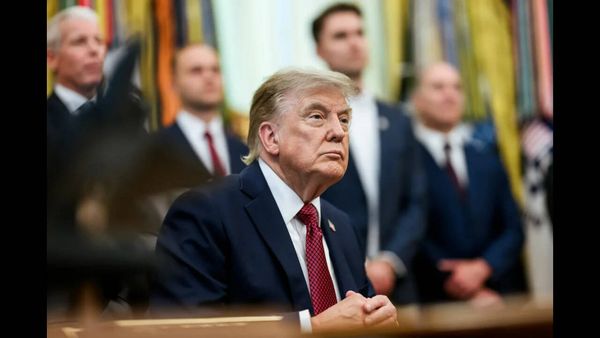
Trump told reporters aboard Air Force One that he 'believe[s] him 100%' when asked whether he accepted Hegseth's denial that he ordered a follow-up strike.
The White House video of the gaggle, posted on the official YouTube channel, shows Trump repeatedly distancing himself from the details while praising the wider maritime campaign described by the administration as targeting 'narco-terrorists'.
That public posture performs two functions, it bolsters Hegseth's public credibility and signals to Republican allies and potential investigators that the President views the reporting as a partisan attack rather than as evidence requiring independent inquiry.
The Allegation, the Denials and the Legal Question
On 29 November 2025, The Washington Post published accounts from multiple people with direct knowledge of the operation stating that Hegseth gave a verbal order, 'the order was to kill everybody', in relation to a 2 September strike on a boat in the Caribbean, and that a follow-on strike killed two survivors in the water.
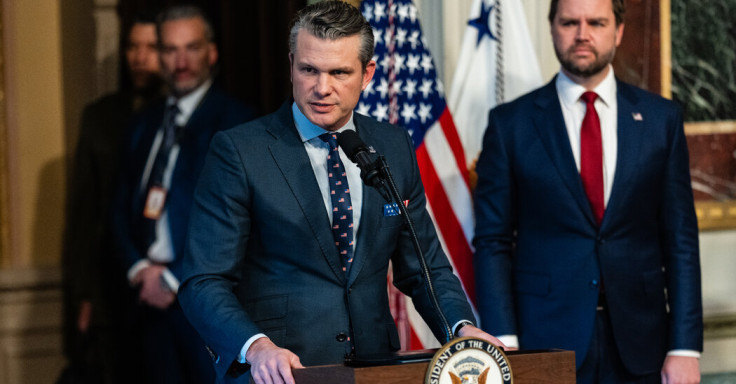
Hegseth has publicly denounced that reporting as 'fabricated' and 'fake news' on his official social-media account, while also defending the administration's strikes as 'lethal, kinetic strikes' lawful under US and international law.
We told the Washington Post that this entire narrative was false yesterday.
— Sean Parnell (@SeanParnellUSA) November 29, 2025
These people just fabricate anonymously sourced stories out of whole cloth.
Fake News is the enemy of the people. https://t.co/CgpNBfb2gf
The legal stakes are high. If the facts alleged by reporters are accurate, retired military lawyers and international-law experts say orders to kill people who are hors de combat could amount to war crimes; the administration has countered that it has established a legal framework treating designated cartel groups as unlawful combatants in a 'non-international armed conflict'.
That determination, communicated to Congress earlier this year, is central to the administration's legal justification for lethal operations at sea.
Congressional Oversight and Institutional Responses
Lawmakers have rapidly moved from outrage to oversight. The House Armed Services Committee leadership issued a joint statement saying it will pursue 'a full accounting of the operation in question', while Senate Armed Services leaders signalled they would exercise vigorous oversight. Those formal committee responses convert a media scandal into a potential institutional inquiry.
Separately, public filings and FOIA requests from civil-liberties groups seeking OLC opinions and presidential directives indicate that legal actors outside Congress are preparing the documentation necessary to test the administration's legal claims in court or in public hearings.
Those parallel tracks mean that, even if Trump successfully frames the matter as a smear, investigators and litigants now possess paths to follow the documentary paper trail, from White House memoranda to Justice Department legal opinions and Pentagon notifications to Congress.
By publicly affirming Hegseth's denials and attacking journalists' motives, Trump is not merely defending an official; he is signalling which narratives he wishes to dominate the public record. That effort can shape how evidence is collected, how witnesses are perceived, and how partisan coalitions form around the contested facts.
Yet rhetoric will not settle documentary or testimonial disputes. Congressional subpoenas, internal Pentagon logs, and any Justice Department memos will be decisive; their existence, timing and content will determine whether the controversy remains political theatre or becomes a legal reckoning.
Trump's early decision to back and publicly shield Hegseth makes a transfer of political heat to the Defence Secretary both likely and deliberate; investigators, lawyers, and the public will now watch whether that strategy protects Hegseth, or exposes the administration to deeper legal jeopardy.