WASHINGTON _ President Donald Trump is considering a proposal to replace his controversial travel ban on six mostly Muslim countries with a set of "tailored" screening rules and restrictions that will depend on the threat from each country, administration officials said Friday.
The officials said Trump has not made a decision and it wasn't clear if he will do so before Sunday, when the current ban expires.
They said he could decide to add more countries to a list that aims to keep terrorists out of America but has been criticized as overly broad and unnecessarily punitive.
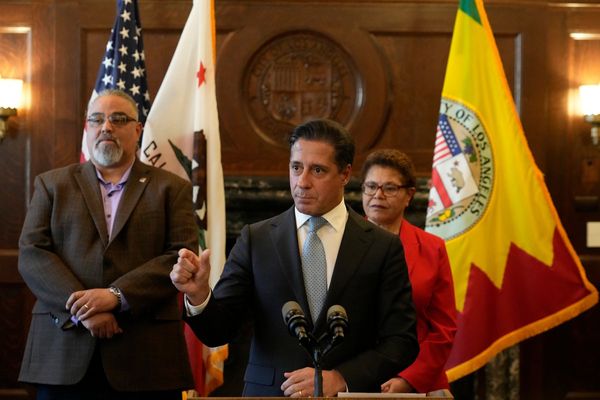
"Quite frankly the screening and vetting status quo is no longer adequate. We need to know who is coming into our country," Miles Taylor, a counselor to Elaine Duke, acting secretary of Homeland Security, told reporters on a conference call.
"We should be able to validate their identity, and should be able to confirm that our foreign partners do not have information that they represent a threat to the U.S," he said.
Trump issued the current order in March after an earlier version ran into a storm of protests and court challenges.
It imposed a 90-day ban on travel from Syria, Iran, Yemen, Libya, Somalia and Sudan. The Supreme Court allowed the order to go into effect in June.
It's not clear what will happen if the order is allowed to expire Sunday. Carl Risch, assistant secretary of State for consular affairs, said the department would be ready to issue guidance to U.S. embassies and consular offices around the world.
Over the last few months, the departments of State, Homeland Security and Defense have studied security levels in numerous countries, evaluating their passport procedures and how willing they were to share information about criminals and potential terrorists with U.S. officials. The report was sent to the White House last week.
After consultations, most countries ended up meeting the new U.S. standards, officials said.
"We got countries that weren't sharing terrorism information to do exactly that," Taylor said. But "at the end of the day, some countries were unable or worse yet, unwilling to comply to the new standards we laid out."
"I'll say some countries did not even have the courtesy to tell us to go fly a kite," he added.
By emphasizing what the officials called a dispassionate and analytical process in the new recommendations to the White House, the administration is laying out a pre-emptory defense against what is almost certain to be new legal challenges.
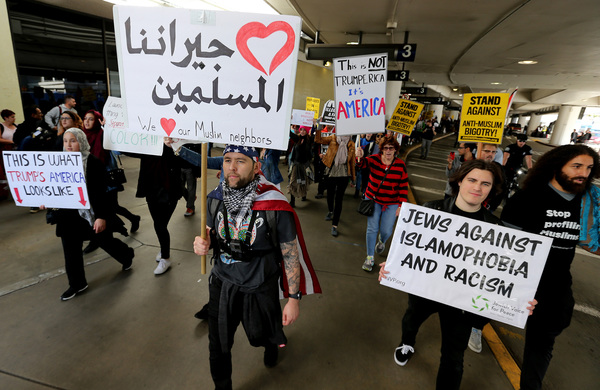
State attorneys general and immigration advocates argued that the original travel ban amounted to illegal discrimination against Muslims, citing Trump's promise during last year's campaign to issue a "total and complete shutdown on Muslims entering the U.S."
That first ban, issued a week after Trump took office, was put into effect with little notice to airlines and immigration authorities, creating days of confusion and stranded travelers before federal judges ordered a freeze on the enforcement.
Trump issued another version in March, removing Iraq from the original list. But after it too drew legal challenges, he fumed on Twitter that he still preferred his original version _ statements that provided more material for lawyers challenging the order.
The Supreme Court is scheduled to take up the case Oct. 10. But the case might become moot if Trump replaces that order.