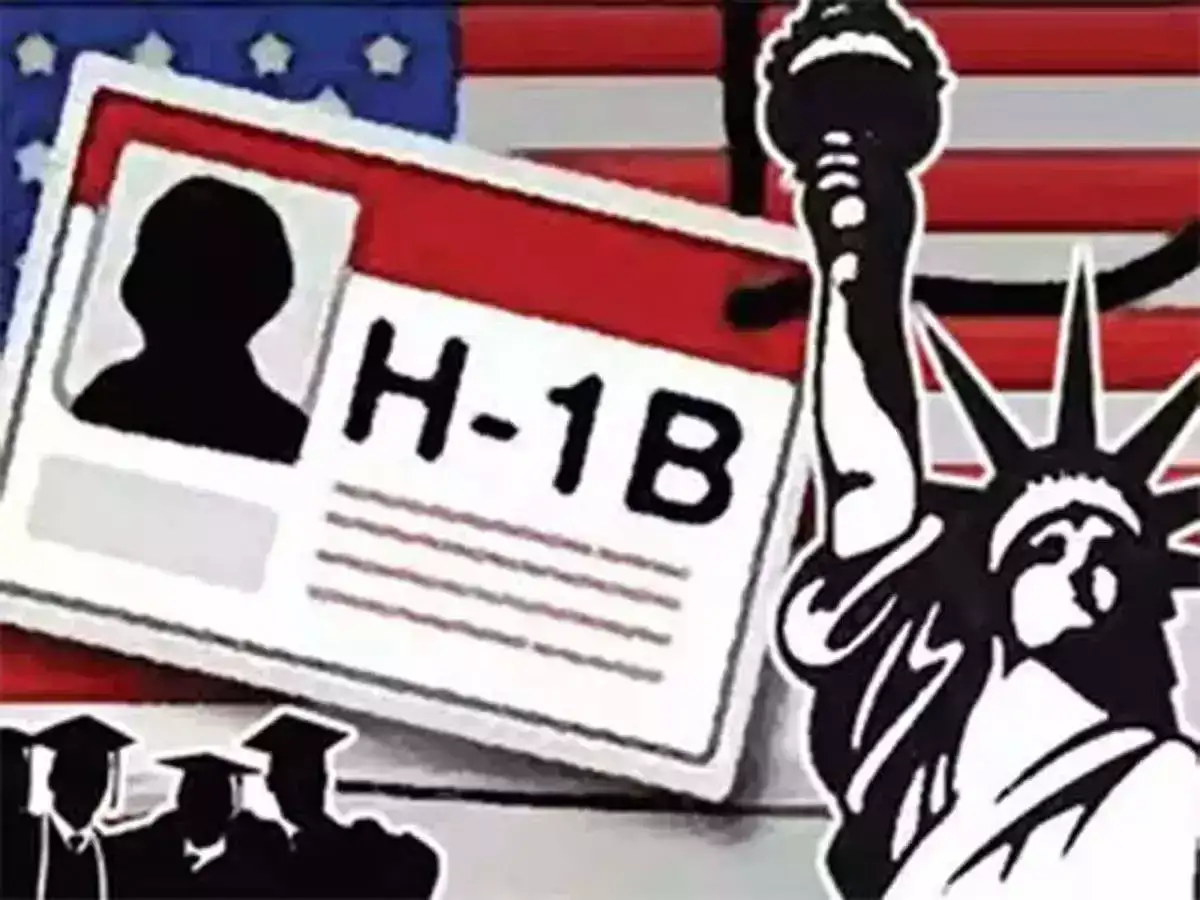
The Trump administration has moved to challenge a federal judge’s order that struck down a $100,000 fee for H-1B visa applications, according to a Bloomberg report.
The US Justice Department filed a notice on Thursday seeking to appeal a ruling issued earlier this week by a federal court in Boston. The decision had invalidated a key immigration measure introduced by President Donald Trump as part of his efforts to curb immigration and promote hiring of US workers.
US District Judge Leo T. Sorokin ruled in favour of a group of states that sued over the policy. The judge found that the presidential proclamation sharply increasing the cost of H-1B visa applications amounted to an illegal tax.
Fee announced as part of immigration push
Trump announced the fee increase through a presidential proclamation in September. The administration said the measure was intended to discourage companies from relying heavily on foreign workers and to prevent alleged misuse of the H-1B programme.
The H-1B visa programme allows US employers to hire college-educated foreign workers for specialised occupations. The visa is widely used by technology companies, healthcare providers and other businesses seeking skilled workers.
Opposition and legal challenges
The fee increase quickly drew opposition from states, business groups and employers that depend on the H-1B programme. Critics argued that the sharp rise in application costs would make it difficult for companies to recruit skilled workers and could hurt industries facing labour shortages.
The Massachusetts case is one of at least three legal challenges against the policy. The US Chamber of Commerce and a nurse recruitment firm have separately sued the administration over the fee.
In a related case, a judge in December declined the Chamber of Commerce’s request to block the fee. The business group later appealed that decision to a federal appeals court in Washington.
Court finds fee was an illegal tax
In his ruling, Judge Sorokin sided with the states challenging the policy and concluded that the administration had exceeded its authority by imposing the fee through presidential action.
The judge found that the dramatic increase in the H-1B application fee functioned as a tax and therefore required congressional approval. The ruling struck down the measure, dealing a setback to the administration’s immigration agenda.
The case is State of California v. Mullin, 25-cv-13829, in the US District Court for the District of Massachusetts, Bloomberg reported.