MIAMI — The United States added Cuba back to its list of states accused of sponsoring terrorism Monday in one of the Trump administration’s last foreign policy decisions, a move that caps four years of escalating economic and diplomatic pressure against the island.
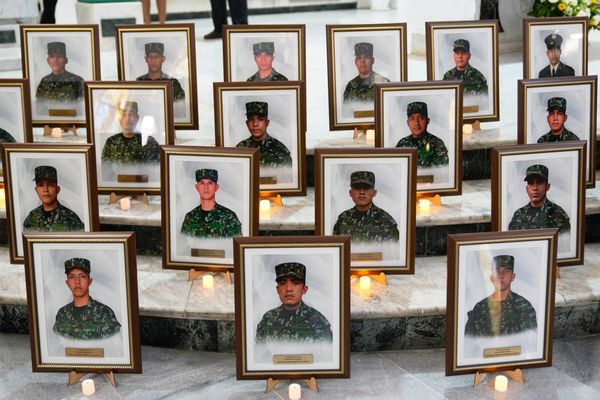
In a statement, Secretary of State Mike Pompeo accused Cuba’s government of having “fed, housed, and provided medical care for murderers, bombmakers, and hijackers.” In particular, he mentioned Cuba’s refusal to extradite to Colombia members of the National Liberation Army guerrilla following a terrorist attack in Bogotá and a breakdown in peace talks.
He also cited the presence on the island of fugitives from U.S. justice like Joan Chesimard, who lives in Cuba with the name Assata Shakur, and is on the FBI’s list of most-wanted terrorists. She was convicted for the killing of New Jersey State Trooper Werner Foerster in 1973.
“With this action, we will once again hold Cuba’s government accountable and send a clear message: the Castro regime must end its support for international terrorism and subversion of U.S. justice,” he said.
The inclusion of Cuba on the blacklist alongside North Korea, Syria and Iran is the culmination of the “maximum pressure” campaign launched by the Trump administration to punish the Cuban government for its support of Venezuelan leader Nicolás Maduro and to dismantle the engagement policies of ex-President Barack Obama.
The decision comes just a week before President-elect Joe Biden is sworn into office. The incoming leader is widely expected to restore at least some of Obama’s opening with Cuba. While it can be reversed, it could nonetheless spell further economic trouble for the island, which is already suffering its worst economic contraction since the fall of the Soviet Union.
“Transactions with the Republic of Cuba would have an increase in scrutiny, resulting in fewer governments and companies wanting to engage with it,” said John Kavulich, president of the U.S.-Cuba Trade an Economic Council, a New York-based nonpartisan organization.
Earlier today, a senior administration official told McClatchy the decision was going to be announced this Monday.
President Donald Trump’s advisers have been weighing whether to return Cuba to the list for some time.
In January 2019, a senior administration official told the Miami Herald that the issue was being considered due to Cuban security and intelligence support for Maduro. A year later, the State Department included Cuba in its list of countries that do not cooperate with the United States in the fight against terrorism, also citing the harboring of Colombian rebels and fugitives of U.S. justice.