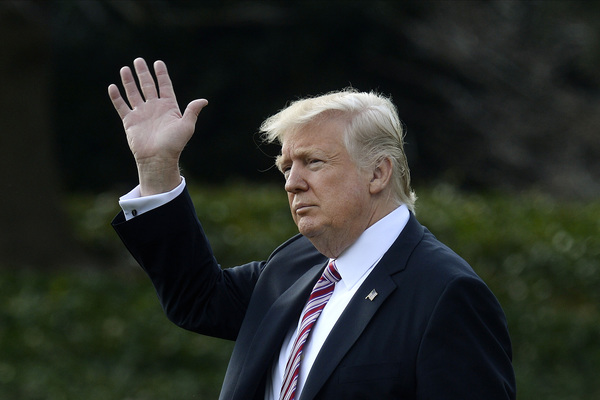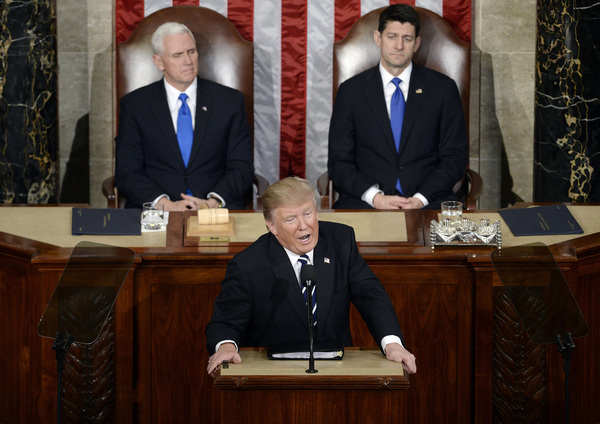
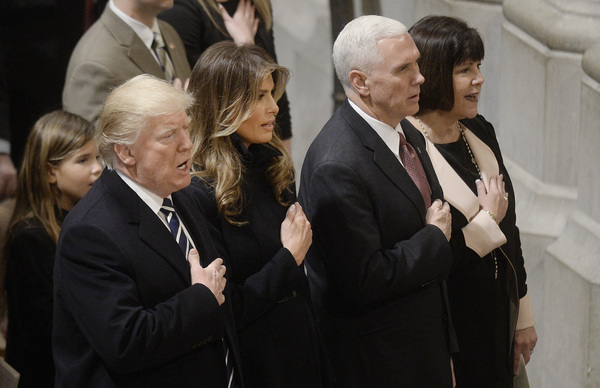
WASHINGTON _ Donald Trump used the grandest stage of the presidency Tuesday night to rally the public around a series of policy priorities that focused on the economy and security instead of the infighting that has plagued his young administration.
In his debut address to a joint session of Congress, the new president touted the steps he's taken to fulfill campaign promises to protect Americans, remove dangerous immigrants and improve health care. He offered a forward-looking vision in a more positive light than the unusually dark narrative about crime and "American carnage" that highlighted his inaugural address.
He paid homage to racial diversity in opening lines that were intended to heal divisions that have only been too pronounced in the last month.

"Tonight, as we mark the conclusion of our celebration of Black History Month," he began, "we are reminded of our nation's path toward civil rights and the work that still remains. Recent threats targeting Jewish community centers and vandalism of Jewish cemeteries, as well as last week's shooting in Kansas City, remind us that while we may be a nation divided on policies, we are a country that stands united in condemning hate and evil in all its forms."
"The time for small thinking is over," Trump said, according to excerpts of his remarks as prepared for delivery. "The time for trivial fights is behind us. We just need the courage to share the dreams that fill our hearts. The bravery to express the hopes that stir our souls. And the confidence to turn those hopes and dreams to action."
As protesters rallied earlier outside the White House, Trump pushed his way through glad-handing lawmakers to the House chamber podium at five minutes past 9 for what the White House told reporters would be an unusually long speech in which he was expected to recount the promises he'd made and the promises he'd sought to keep.
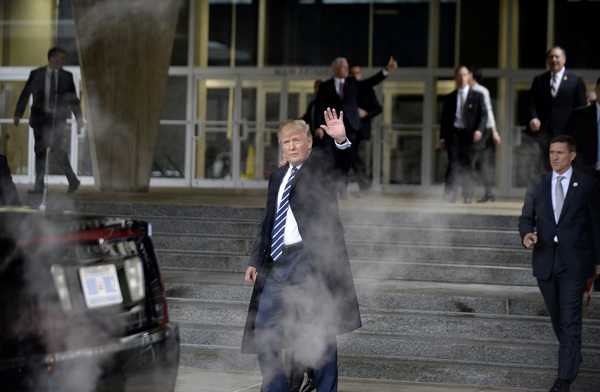
Mixed with doses of populist rhetoric, the prime-time speech was aimed more at the millions of worried Americans watching on television and the internet than the lawmakers, Cabinet secretaries, Supreme Court justices and diplomats sitting just feet from him inside the U.S. Capitol.
"By finally enforcing our immigration laws, we will raise wages, help the unemployed, save billions of dollars, and make our communities safer for everyone," Trump said, according to excerpts.
He boasted about his plans to destroy the Islamic State, or ISIS, which he called a terrorism network that has "slaughtered Muslims and Christians" and struck fear around the world.

"We will work with our allies, including our friends and allies in the Muslim world, to extinguish this vile enemy from our planet," Trump said, according to the excerpts.
Trump highlighted his executive orders on immigration, health care and the economy and cited new initiatives he plans to address in the coming months. Among them: repealing and replacing the Affordable Care Act, spending on roads and bridges, keeping immigrants from entering the country illegally, streamlining regulations, improving workplaces and schools and rewriting the nation's tax laws.
"My economic team is developing historic tax reform that will reduce the tax rate on our companies so they can compete and thrive anywhere and with anyone," Trump said.
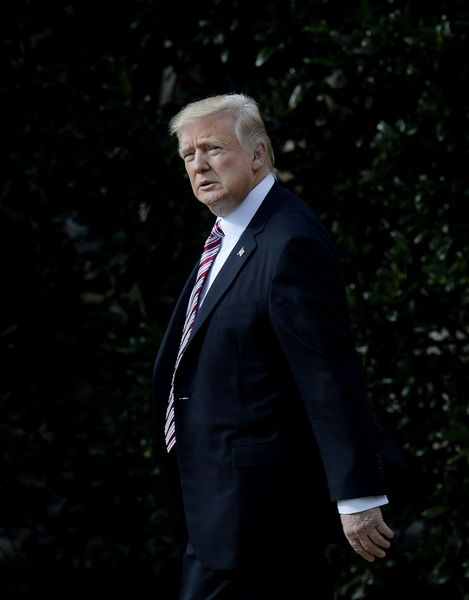
The president planned to call on Congress to help him jump-start the economy, provide greater access to affordable health care and expand educational opportunities "to every child no matter their ZIP code," according to aides.
"What I think the president recognizes _ what we all recognize _ is that this is a once-in-a-generation moment," said House Speaker Paul Ryan, R-Wis. "It is a once-in-a-generation opportunity. We have the opportunity to finally tackle big problems that have held us back for so long."
The speech was Trump's first to a formal assembly of Congress. Although widely regarded as his inaugural State of the Union address, presidents in their first year of office generally do not call it that.
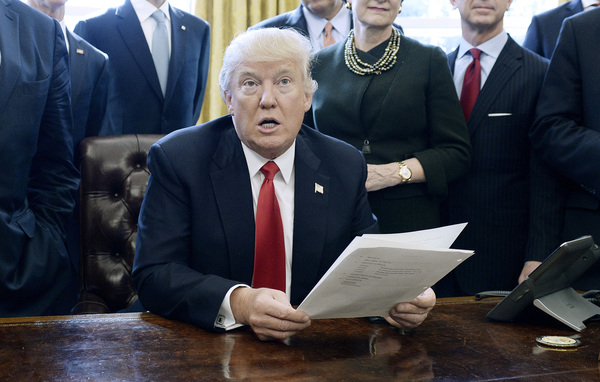
It comes at a difficult time for the new administration. Trump has been beset by allegations that his staff colluded with Russia and one of his first executive orders, intended to slow immigration, has been blocked by an appeals court ruling.
He's struggled to keep the public on board. His approval rating, at just 44 percent, is a record low for a new president, and half of Americans say that his early challenges suggest unique and systemic problems with his administration, according to a new poll from NBC News and the Wall Street Journal.
With Republicans now in control of both the legislative and executive branches of government, Trump called on Congress to finally "repeal and replace" Obamacare.
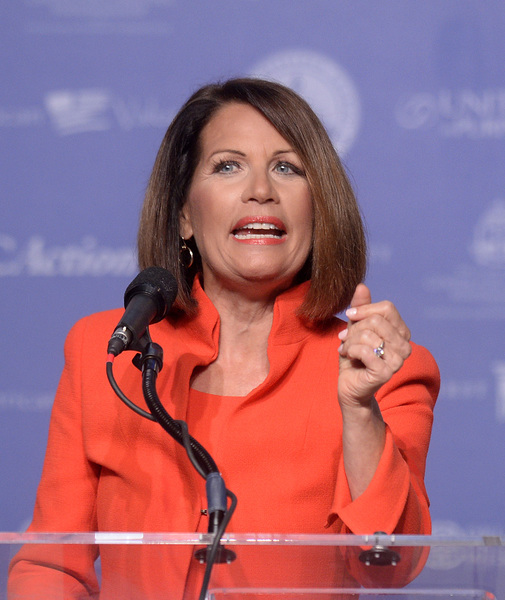
"Mandating every American to buy government-approved health insurance was never the right solution for America. The way to make health insurance available to everyone is to lower the cost of health insurance, and that is what we will do."
But even his own party is haggling over how to do that. Lawmakers returned to Washington on Monday after a week of turbulent town halls and some are worried about the political perils of dismantling the 2010 law without a replacement.
Conservative Republicans are balking at anything but full repeal, including ending Medicaid expansion to the states. They panned a potential replacement bill that was leaked Friday, saying it doesn't go far enough.

"We were elected to fully repeal and replace Obamacare and that's the only thing I will vote for," said Sen. Rand Paul, R-Ky., who dubbed the House version "Obamacare-lite."
Democrats have sought to take advantage of the division and low approval ratings.
House Minority Leader Nancy Pelosi, D-Calif., and members of the House Democratic Women's Working Group dressed in white to demonstrate against Trump and show their commitment to protecting women's rights.
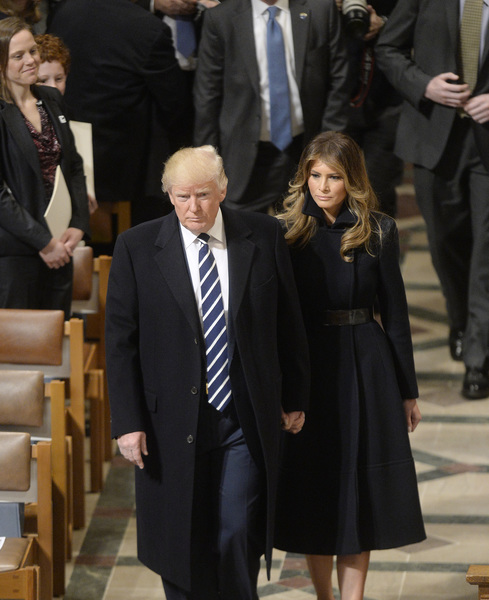
Delivering the Democratic response, former Kentucky Gov. Steven Beshear challenged the new president's assertions that he was working for real Americans. He accused Trump of "being Wall Street's champion," citing the president's Cabinet picks of Wall Street billionaires.
"And even more troubling is that you and your Republican allies in Congress seem determined to rip affordable health insurance away from millions of Americans who most need it," said Beshear, according to an advance text of his speech.
Democrats also tapped immigration activist Astrid Silva to deliver a Spanish-language response to Trump's immigration policies. She accused Trump of inciting fear in immigrant communities and promoting ideas that go against American values.
"President Trump is taking us back to some of the darkest times in our history, criminalizing anyone who is different, pitting us against each other, and sending the wrong message to the rest of the world," Silva said.
In addition to a series of meetings with lawmakers, business executives, law enforcement officials and union representatives, Trump said the ideas for his speech came from a survey to supporters that asked their priorities.
"We've got a bold agenda ahead of us, and the president's going to lay it out and why it's going to make a difference in people's lives," Ryan said Monday after meeting with the president.
Trump began his presidency with a flurry of executive actions and little emphasis on his legislative priorities. With the executive orders now largely issued, he'll need to turn his attention to Congress.
Plans to boost defense spending, overhaul the U.S. health care system and secure the border will need congressional support. Trump foreshadowed a spending battle in the near future, including a $54 billion increase in defense spending, but he offered few details about them except to say they'll be paid by cuts to foreign aid and discretionary spending by the same amount.
Following the speech, Trump planned a trip to promote his initiatives. On Thursday, he will travel to Virginia to give remarks aboard the U.S.S. Gerald Ford, and participate in a roundtable with military officials, shipbuilders and community leaders. On Friday, Trump will attend a listening session on school choice at St. Andrews Catholic School in Florida.

Trump said it is time for America to learn from past lessons. America, he said, is better off when there is "less conflict not more."
"From now on, America will be empowered by our aspirations _ not burdened by our fears," he said.