A region typically accustomed to scorching temperatures rather than persistent rain is now bracing for severe downpours, significantly elevating the risk of flash floods that can emerge and turn deadly within minutes.
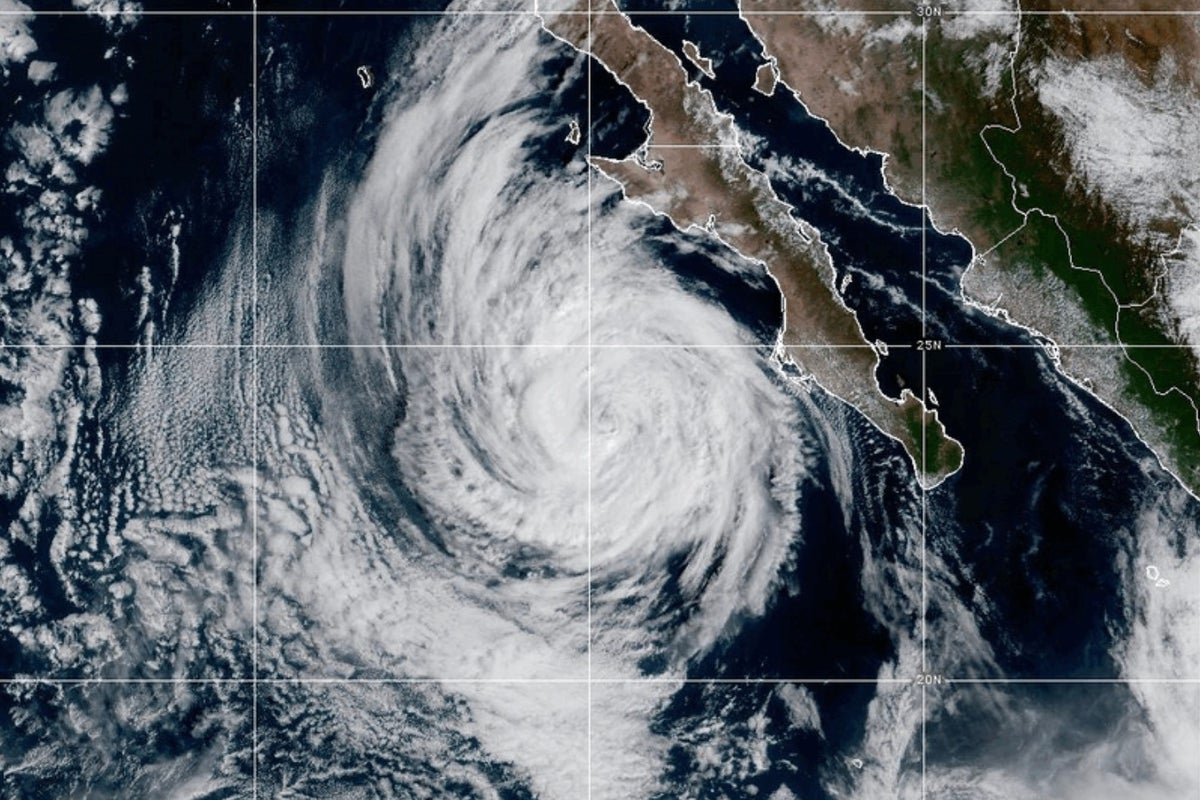
Tropical Storm Priscilla, having been downgraded from a powerful hurricane, has diminished in strength over the eastern Pacific near Mexico’s Baja California peninsula. However, the storm’s remnants still carry substantial moisture and are now advancing towards the southwestern United States, where flood warnings were issued on Thursday.
Meteorologists anticipate that rain bands from Priscilla will drench parts of Arizona, Utah, New Mexico, and Colorado throughout the weekend. These areas could experience as much precipitation in a few hours as they typically receive over an entire year. The grave potential for such intense rainfall is highlighted by recent deadly flooding events in Texas and New Mexico.
“We don’t want to see people caught up in the hazards we are going to be seeing,” said meteorologist Robert Rickey with the National Weather Service in Flagstaff, Arizona.
Arizona will be hit hardest
Northern Arizona is most at risk, with 2 to 3 inches (5 to 8 centimeters) of rain likely in and around Flagstaff, the national park gateway city south of the Grand Canyon.
Some areas could get even more, said Rickey, but where exactly that will happen is impossible to predict very long in advance.
High-elevation Flagstaff gets ample rain, upward of 2 feet (60 centimeters) a year, though not often in such big doses. Southwestern and northeastern Arizona see far less, in some places as little as 5 inches (13 centimeters) or less a year; Phoenix gets just 7 or 8 inches (18 to 20 centimeters) a year.
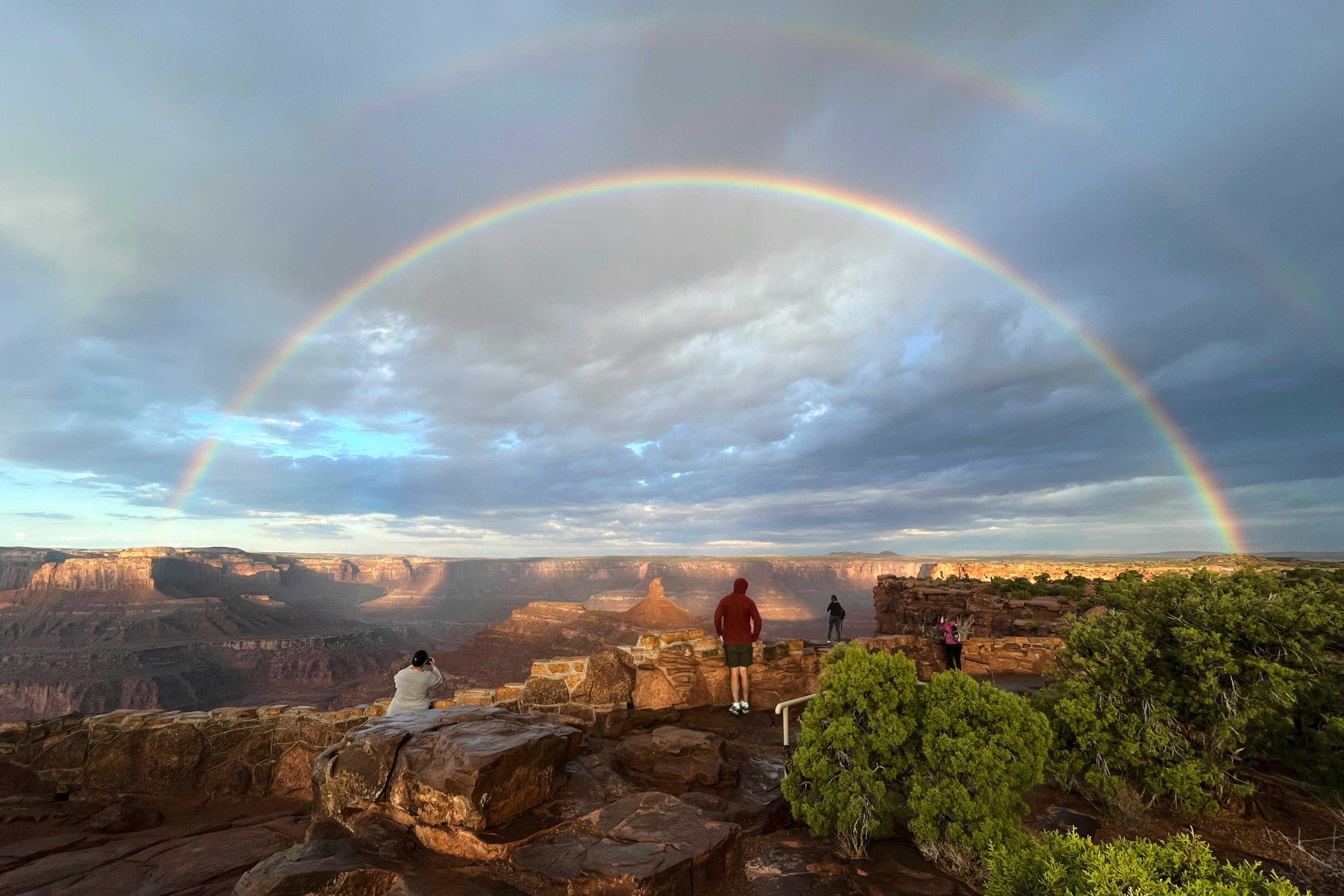
In such deserts, downpours on paved, urban landscapes with minimal drainage infrastructure and in backcountry areas mazed with canyons can become deadly fast.
Worried folks headed outdoors have been calling the National Weather Service asking if they should cancel. The agency has been kept open during the government shutdown.
“I had to have that kind of frank conversation with them,” Rickey said. “Is the risk worth the reward?”
Never go here if heavy rain is possible
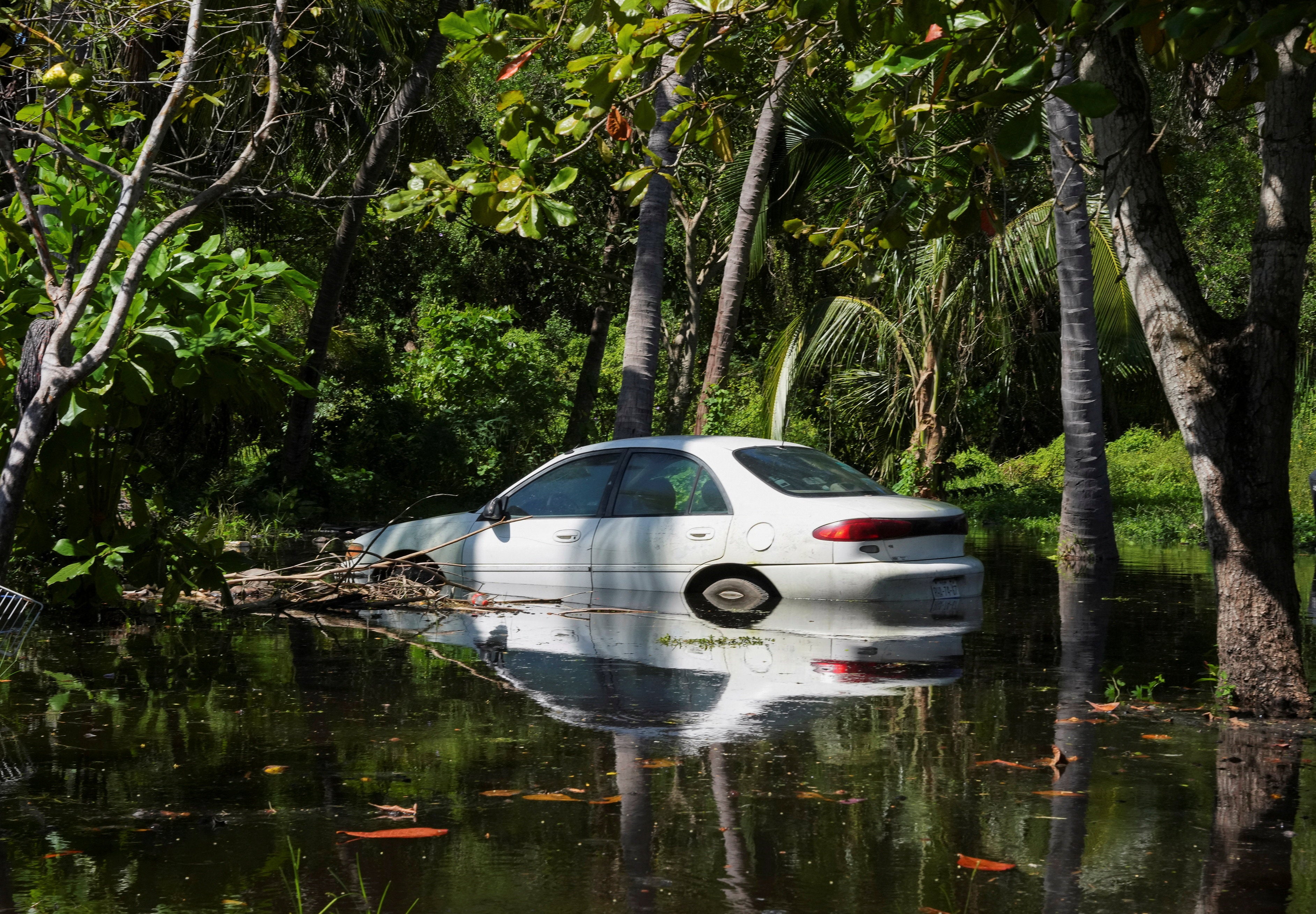
After heat, flooding is the deadliest weather phenomenon in the U.S., killing 145 people in 2024. Many victims were in their cars, braving high water that can be deceptively dangerous.
In Arizona, a “stupid motorist law” allows drivers to be billed up to $2,000 if they drive around a barricade or warning sign into a flooded area and have to be rescued.
By encouraging smarter driving, the law attempts to reduce the state’s dozens of such rescues every year. Some, though, worry the law discourages people from seeking help right away, putting them in worse danger. The law isn’t consistently enforced.
The Southwest’s desert canyons and arroyos are notorious for flash flooding risk. Even a storm miles (kilometers) upstream can turn a dry wash into a raging torrent, churning debris downstream and blocking the way out for hikers and cars.
That is what happened in southern Utah a couple weeks ago, when a desert canyon flood trapped at least 10 people, all of whom were eventually accounted for by officials.
Mountains can also channel deadly flooding. In June, three people, including children ages 7 and 4, were killed in a flash flood at a riverside RV park.
Forested areas can become worse for flash flooding if they have recently burned clear of vegetation that can hold back water and allow it to soak into the ground. This weekend, that includes the North Rim of the Grand Canyon, which burned in a massive wildfire last summer.
The National Weather Service had posted a flash flood watch for most of Arizona, as well as southern Utah and smaller portions of California, Nevada and Colorado.
Strong storms already were moving north across Arizona and southern Utah, bringing up to an inch (2.5 centimeters) of rain in places. Scattered flash flood warnings were posted along the state line, including for Lake Powell and Glen Canyon National Recreation Area.
Hope for the best, prepare for the worst
Much of the Southwest’s rain comes during the summer monsoon season of scattered storms from mid-June through September. Rain from autumn tropical systems like this one might happen once a year, said Rickey, the meteorologist.
In Flagstaff, heavy equipment was being positioned across the city, and staff were monitoring low water crossings and areas where wildfires have burned for potential flooding.
Self-serve sandbags were available to residents at a city park, and water was being released from a pond to make more room for runoff.
The Havasupai Tribe, whose reservation is deep in a gorge off the Grand Canyon and is prone to flooding, advised tourists in a social media post not to hike to certain areas if it is raining or flooding, and to seek higher ground if they see water rushing through the area.
The reservation is one of the most remote in the continental U.S. and is accessible only by mule or foot. Tourists worldwide visit for the blue-green waterfalls and creekside campground.
Mike Rock with Junipine Resort in Sedona, which sits along Oak Creek, said staff were monitoring road and weather conditions, and letting guests know to take precautions.
Picnic tables closer to the creek will be moved if the water rises. If flooding or rock falls shut down nearby roads, staff can stay at the resort, as is typical with bad weather, he said.
“All signs are indicating we’re going to get pretty hard,” he said.
Tropical Storm Jerry has formed in the Atlantic - could it impact the US?
Hurricane Priscilla strengthens to Category 2 storm threatening Baja California
Ibiza and Formentera hit by widespread floods as alert issued for ‘dangerous rain’
Can Trump win the Nobel Peace Prize – and who nominated him?
Trump suggests throwing ‘laggard’ Spain out of NATO
RFK Jr cites TiktTok as he rants to Trump about unproven Tylenol-autism link again
.png?w=600)