Tribal Olympians push the boundaries of the possible – in pictures
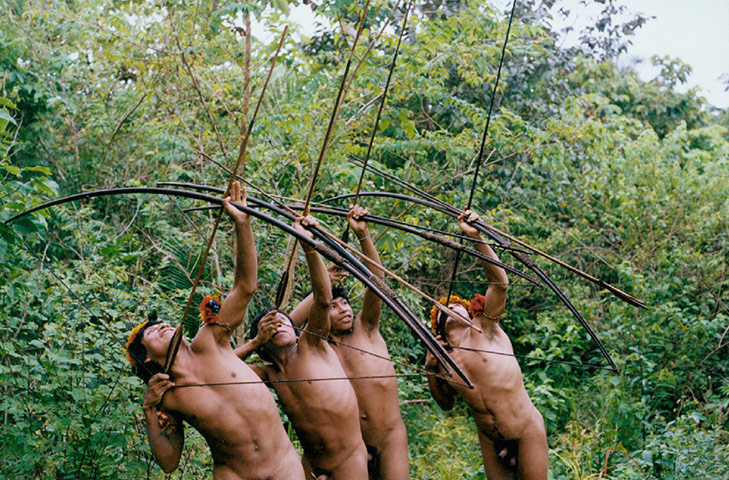
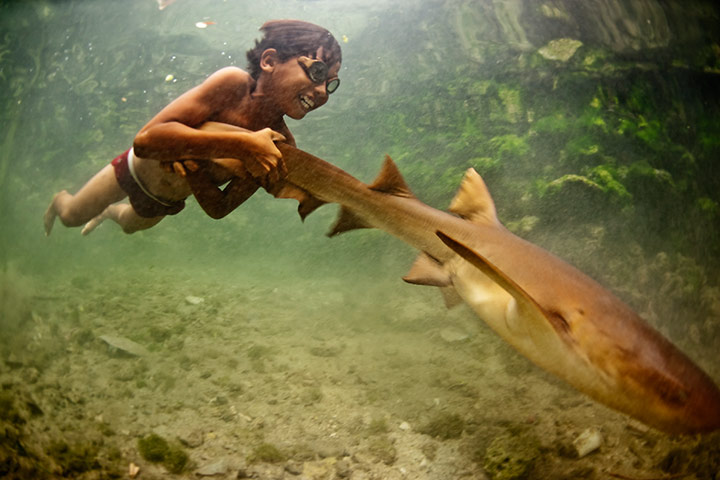
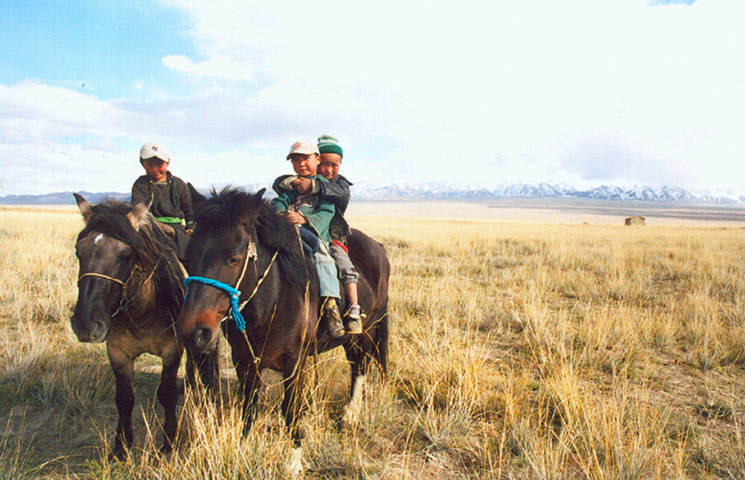
The Awá people of the Brazilian Amazon, Earth’s most threatened tribe, are expert archers. The men hunt with bows up to 1.85 metres long and carry a bundle of arrows made from bamboo, palm fibre, tree resin and bird feathers. Arrow heads vary in shape and size according to the type of prey, which is shot at from tree branches up to 30 metres above the ground. Today, the Awá forest is being cut down faster than that of any other tribe in the Amazon; they will only survive if their land is protectedPhotograph: Fiona Watson/Survival InternationalA young boy wearing homemade wooden goggles grasps the tail of a tawny nurse shark as it pulls him through the shallow waters of the South China Sea. The Bajau people of Sabah, Sulawesi, can free-dive up to 20 metres deep when hunting for fish, pearls and sea cucumbers on the seabed. Known as ‘sea gypsies’, the Bajau spend most of their lives in the water; when they free-dive, they can hold their breath for up to three minutes. Scientists have discovered that the Bajau are submerged for up to 60% of the time they spend in the water – nearly as long as a sea otterPhotograph: James Morgan/http://jamesmorganphotography.co.uk/Survival InternationalThe equestrian skills of Mongolians are exceptional. During the Naadam festival, boys – who are often taught to ride as soon as they can walk, learning on silver-engraved leather saddles that are passed down the generations – race bareback and shoeless across the Mongolian steppe for up to 30km. Some are as young as five. Horses remain an integral part of daily nomadic life: the national drink, airag, is made from fermented mares’ milk, and strands of horse hair are used as ties in nomads’ homesPhotograph: Joanna Eede/Survival International
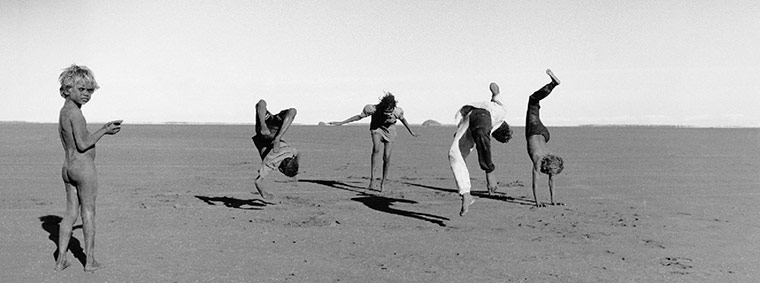
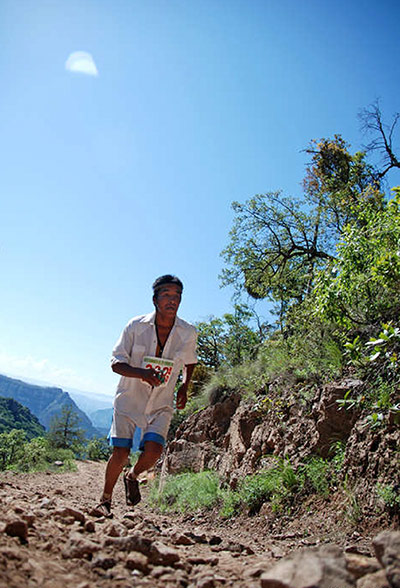
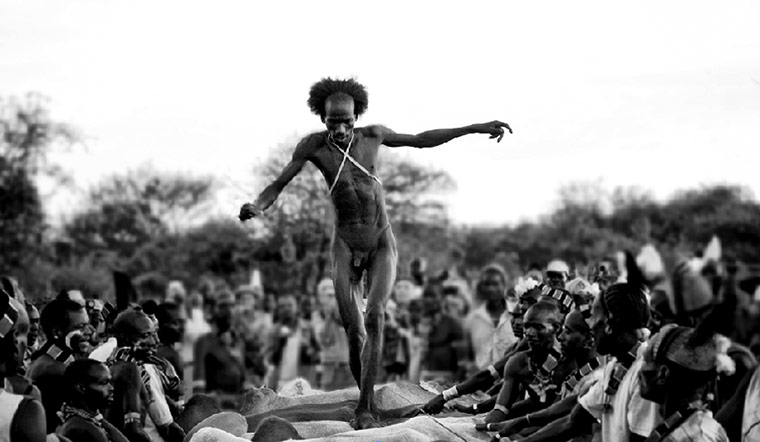
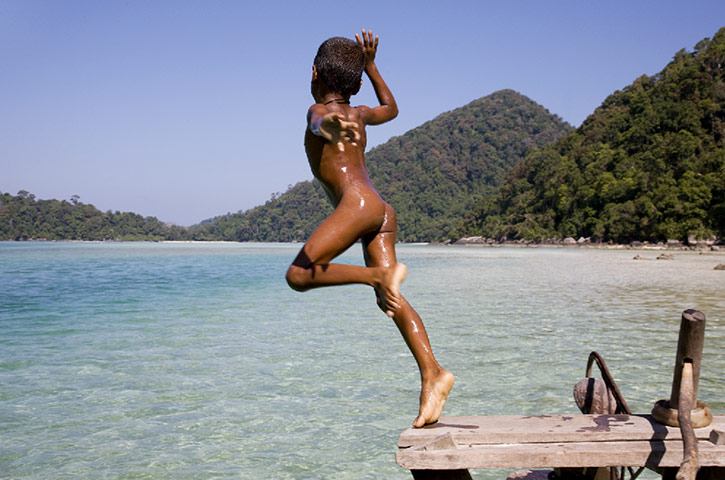
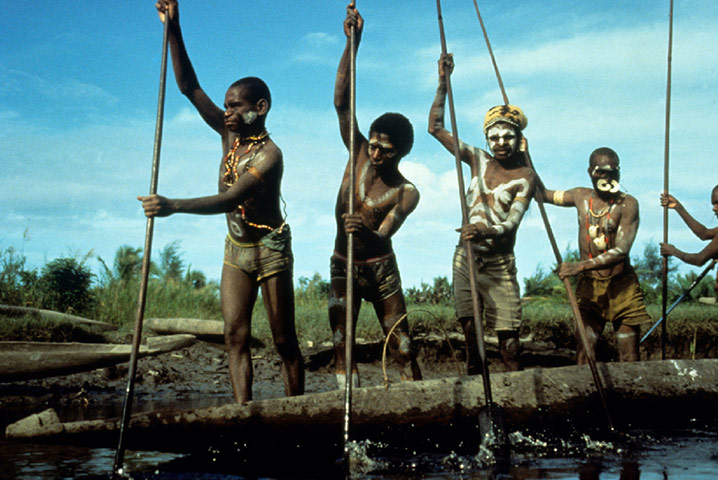
In the shimmering heat of the central Australian desert, Pitjantjatjara Aborigine children flip and twist in an extraordinary display of exuberant acrobatic skillsPhotograph: Alastair McNaughton/www.desertimages.com.au/Survival InternationalHigh in the canyons and deserts of Mexico’s Sierra Madre mountains, long-distance endurance running is a way of life for the Rarámuri – thought to mean 'those who run fast' – or Tarahumara people. The most popular running game is rarajípari, or kick-ball racing, in which men flip a wooden ball with their feet. Major races may last for 48 hours, covering a distance of 150-300km over rugged, high-altitude terrainPhotograph: Jay Dunn/www.MexicoCulturalCalendar.com/Survival InternationalFor the Hamar, a tribe from the Lower Omo valley in Ethiopia, the ability to leap over a line of cattle qualifies a man to marry, own cattle and have children. Before he jumps, his head is partially shaved and – like the cattle – his body is smeared with dung for strength. Failure to leap across the line of bulls and cows can bring shame, but further attempts are allowed. The lower valley of the Omo river is believed to have been a cultural crossroads for thousands of years, but the construction of a giant hydroelectric dam threatens to block the river, end the Omo’s natural flooding cycles, and jeopardise the tribes’ sophisticated flood-retreat cultivation methodsPhotograph: Mario Gerth/Survival InternationalThe semi-nomadic Moken, who live in the Mergui archipelago in the Andaman Sea, south of Burma, are reputedly able to swim before they can walk. A recent scientific study conducted by Sweden’s Lund University showed that the eyesight of Moken children is 50% more powerful than that of their European counterparts. Over hundreds of years, they have developed the ability to focus under water, stretching their visual skills to the limits of what is humanly possiblePhotograph: Cat Vinton/http://www.catvphotography.co.uk/Survival InternationalIn the coastal homeland of the semi-nomadic Asmat people in southern Papua, a few degrees south of the equator, there are no roads. The Asmat use canoes to journey along the extensive network of deep, wide rivers that run through their rainforest. They propel and steer while standing, skilfully maintaining their balance as they navigate the dangerous cross-currents of the tidal waters created by rivers flowing into the Arafura Sea. All Papuan tribal peoples have suffered greatly under the Indonesian occupation, which began in 1963, and is almost unparalleled in its brutalityPhotograph: Jeanne Herbert/Survival International
Sign up to read this article
Read news from 100’s of titles, curated specifically for you.