An expected improvement to the federal bottom line is likely to be eaten up by unavoidable payment blow-outs, as the treasurer seeks to make more room in the budget.
In his mid-year budget next week, Jim Chalmers will reveal an unforeseen increase of $6.3 billion in natural disaster relief, an extra $3 billion in the age pension, $2.1 billion in defence force superannuation benefits and $1.3 billion in veteran entitlements.
As the four programs are demand-driven, the upward revisions since the March budget are not the result of government decisions.
But Dr Chalmers signalled the government would have to tighten its belt to ensure it did not weaken the budget balance, which is forecast to plunge deeper into deficit this financial year.
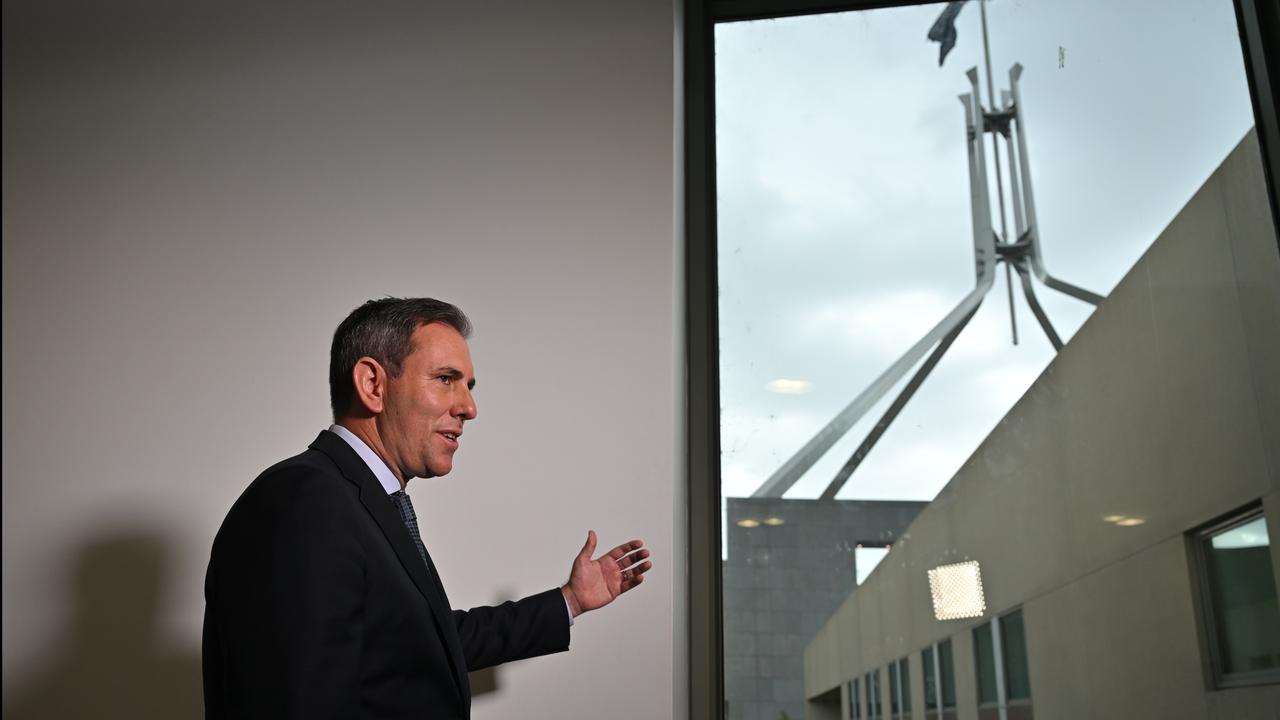
"The biggest job in the mid-year update has been making room for unavoidable pressures and payments without a substantial deterioration in the bottom line," he said.
"While we've already delivered a substantial improvement to the bottom line, estimates variations across a range of areas are putting considerable pressure on the budget."
Veteran economist Chris Richardson says the taxman is likely to rake in an extra $14 billion this financial year and a total of $25 billion over four years, thanks to stronger-than-expected inflation, commodity prices and stock markets boosting super and capital gains tax takes.
But the revenue rainbow that has been filling government coffers in recent years is running out.
Dr Chalmers previously flagged the government would have to make "difficult decisions" in the mid-year budget.
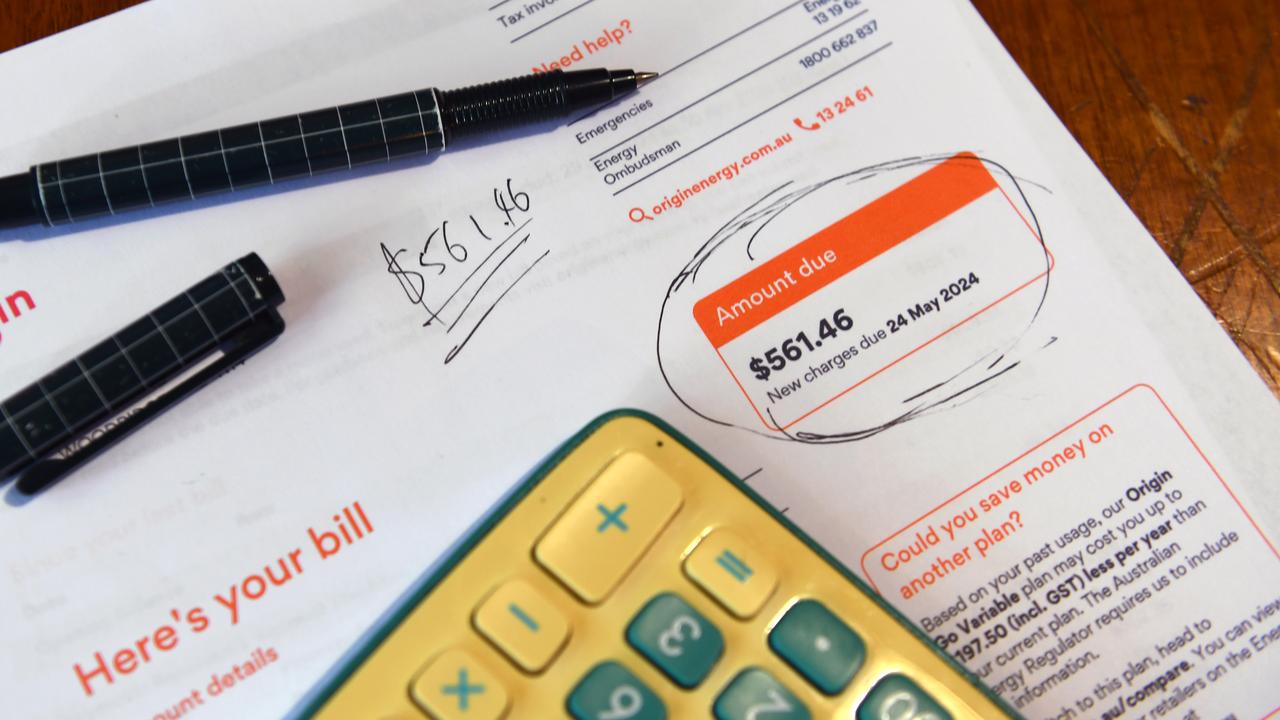
"There will be savings as there have been savings in all of our budgets and all of our updates and the cabinet has decided today on one difficult decision in particular," he said earlier this week in announcing energy rebates would not be extended beyond 2025.
That power bill relief, which has cost the Commonwealth almost $7 billion over three rounds, was already set to be discontinued and was not accounted for in the budget.
Without finding additional savings, the revisions announced on Friday would amount to a $12.7 billion hit to the budget bottom line over the four-year forward estimates.
The government has ordered departments to find five per cent in savings and will also recoup funds through changes to deeming rates.
Deeming rates, which the government uses to assess pensioners' eligibility for social security payments, are set to rise for a second time since September after the government froze the rates at record lows during the COVID-19 pandemic.
The mooted increase, which is decided by an independent body, will be applied in March.
Mr Richardson applauded ending the energy rebates and Labor's other attempts to reel in spending.
But the government had to get more serious about trimming its fiscal largesse, especially as inflation reared its head once more.
"Perhaps the simplest change of all that the government should announce ASAP is some updated rules for the budget," he said.
"No rules are perfect. But some are worse than others, and our current rules are crap."
The coalition has accused Labor of fuelling inflation through its "spending spree".
But recent data has shown the private sector is taking over from the public sector as the driving force in the economy.
A sharp increase in government-funded roles such as aged care, health and education has driven job creation in recent years.
However, HSBC chief economist Paul Bloxham says figures show a slowdown in non-market job creation has taken the steam out of the labour market.
"Over the past year, 36 per cent of job creation has been non-market sector jobs, down from 80 per cent of the job creation over the previous year," he said on the jobs data released by the Australian Bureau of Statistics on Thursday.
"Overall, the pick-up in private sector job creation has not been enough to offset publicly funded job creation, leaving slowing growth in overall employment."