
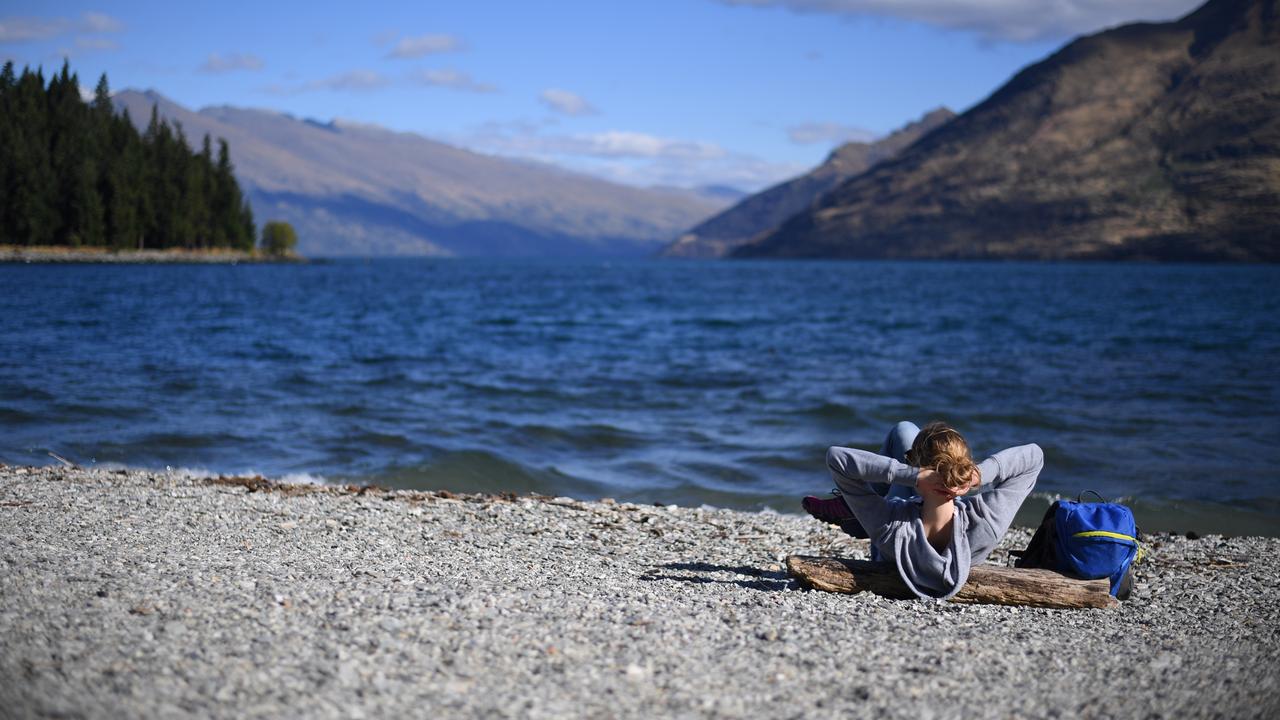
Plenty of Australians are travelling overseas for cosmetic treatments and tweaks but new research suggests half the work might be done just by stepping on the plane.
Academics at Edith Cowan University in Perth have found as well as the mental and physical benefits associated with travel, it can keep people looking younger.
"Ageing, as a process, is irreversible. While it can't be stopped, it can be slowed down," researcher Fangli Hu told AAP.
Exposure to new cultures, languages, surroundings and relaxing activities can stimulate stress responses and elevate metabolic rates, encouraging the body's self-organising capabilities, the study says.
It may also trigger an adaptive immune system response.
"Put simply, the self-defence system becomes more resilient," Ms Hu explained.
"Hormones conducive to tissue repair and regeneration may be released and promote the self-healing system's functioning."
Physical exercise can improve blood circulation, expedite nutrient transport and aid waste elimination to maintain self-healing, and moderate exercise is beneficial to the bones, muscles and joints in addition to supporting the body's anti wear-and-tear system.
Australians are well versed in the mental health benefits of time off work, with an ever increasing number of companies writing doona days into their employment contracts and four-day weeks a hot topic.
But its anti-ageing benefits are revealed in the world-first study applying the theory of entropy - a trend towards death - to tourism.
"Tourism is a part of a healthy lifestyle that can potentially contribute to physical and mental health and promote healthy ageing," Ms Hu said.
"Travelling, you can immerse yourself in a new environment - especially therapeutic landscapes like forests and beaches - and they can help reduce stress and improve people's mental wellbeing."
Being away and out of routine, people are more likely to be active, adventurous and interactive.
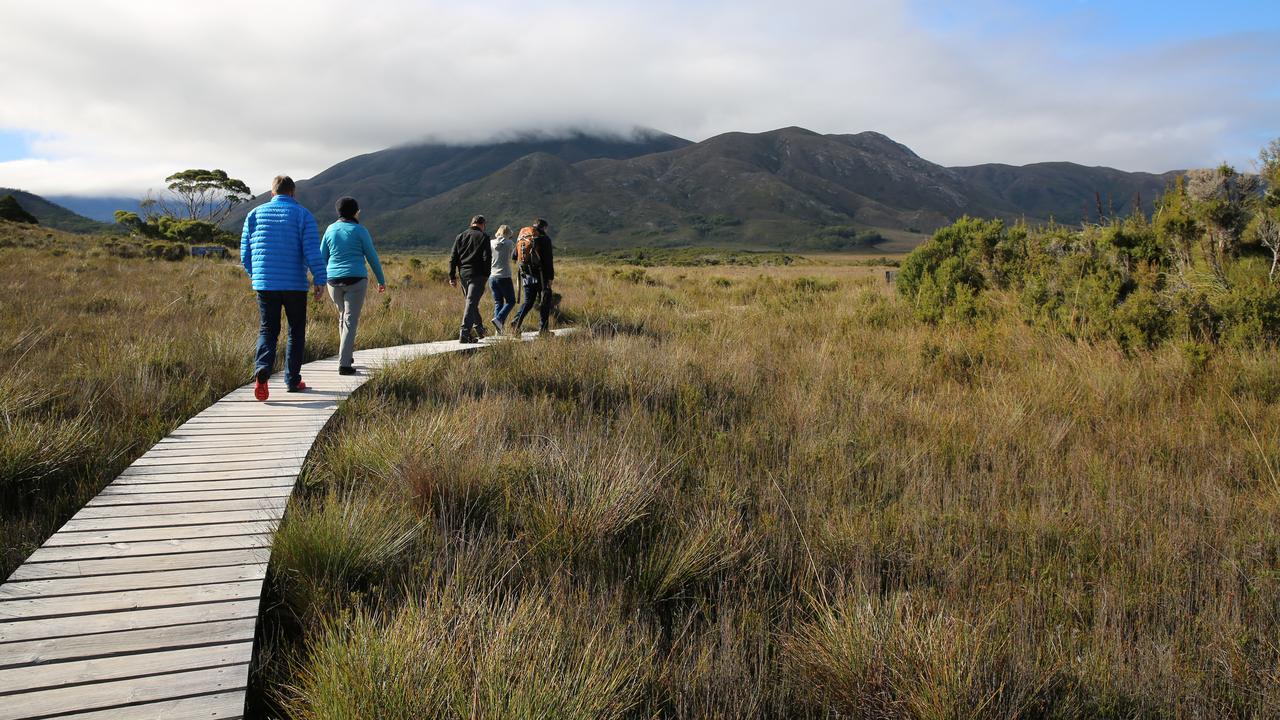
"Travelling can promote physical activity, like walking, hiking, cycling - many activities that can enhance people's cardiovascular health, metabolism, muscle strains and many other aspects of body functionality," Ms Hu said.
"(It) can force us into interaction - interaction with other tourists, interaction with locals, or even animals can improve their moods. It can reduce the feelings of loneliness and can improve cognitive function. Travel can even improve healthy eating - trying fresh and local food."
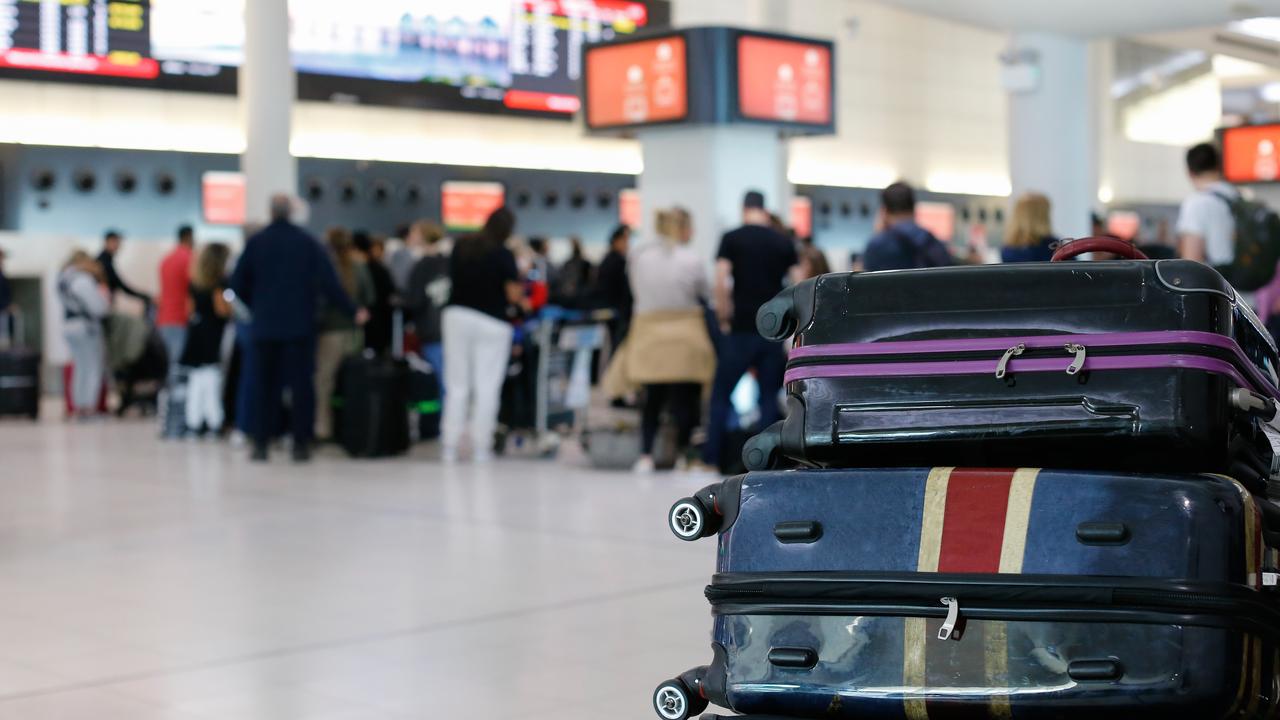
Of course, not everything about travel is enjoyable or relaxing. Who hasn't missed a connection, eaten something that's made them ill or stood waiting for a missing suitcase at the luggage carousel?
"Only positive tourism experiences can have potential health benefits," Ms Hu said.
"Negative ones can lead to health impairment."
But that doesn't mean there's a "one-size-fits-all" approach to a successful holiday.
Different people have different expectations and different needs and must must weigh up their financial, health and access requirements before booking a trip.
There is no need to spend big, Ms Hu said.
"Even weekend trips can have a potential health benefit. It depends on people's situations."