Have you ever returned from a trip with stories you wish you didn’t have? The kind that start with, “It seemed like a good idea at the time,” and end with a call to your bank, your insurance company, or both? Traveling is supposed to be exciting, but in the age of instant bookings and social media oversharing, it’s also easier than ever to make avoidable mistakes. Safety on the road has always mattered, but recent events—like the surge in solo travel, extreme weather disruptions, and even rental scams—have made it more urgent.
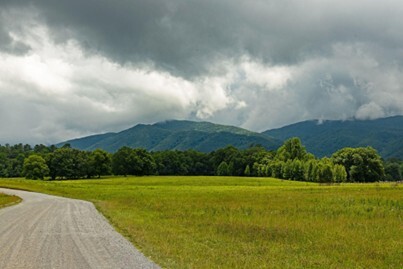
These trends are shaping how we think about trip planning. More people are blending work and leisure travel, meaning laptops, sensitive documents, and expensive equipment are part of the packing list. Others are heading to outdoor destinations, like the Smoky Mountains in Pigeon Forge and Gatlinburg, where the wilderness offers beauty but also its own set of safety concerns. Whether you’re flying overseas, driving cross-country, or hiking through national parks, the basics of safe travel have evolved.
In this blog, we will share practical, specific travel safety tips every explorer should know, with a mix of fresh context and timeless advice to keep your adventures worry-free.
Plan With Precision Before You Go
Good planning is the foundation of safe travel. This starts with researching your destination thoroughly—transportation options, local customs, weather conditions, and health requirements. Check recent traveler reviews, not just glossy tourism board descriptions. The world moves fast, and what was safe six months ago may have changed.
Make copies of your identification documents, like your passport and driver’s license, and store them separately from the originals. Keep digital versions in secure, encrypted cloud storage. Share your itinerary with a trusted friend or family member, including addresses and key contact numbers.
When booking accommodations, look beyond the photos. Verify the property through multiple sources, and read reviews with a critical eye for patterns. For example, if you plan a mountain retreat, Smoky Mountains cabins can be an excellent choice for a mix of seclusion and comfort. If you’re considering one, Timber Tops offers options with amenities like indoor pools and private decks, which can add an extra layer of comfort without compromising safety.
Stay Aware While You’re There
Once you arrive, staying aware is your most valuable skill. This doesn’t mean being paranoid—it means being observant. When you check in, take note of emergency exits and keep a flashlight in an easy-to-reach spot. If you’re in a busy city, be mindful of pickpockets, especially in tourist-heavy areas. Keep valuables in a money belt or crossbody bag with zippers.
Stay alert to your surroundings when using your phone for navigation. Thieves often target distracted travelers. If you need to check directions, step to the side or into a café instead of stopping in the middle of the street. At night, stick to well-lit areas, and when possible, travel in pairs or groups.
Technology can also work in your favor. Share your location with someone you trust through apps like Google Maps or Life360. This way, if something unexpected happens, someone knows where you are in real time.
Protect Your Belongings and Your Data
Physical safety often gets all the attention, but digital safety is just as important. Public Wi-Fi networks, like those in airports and cafés, are convenient but vulnerable to hackers. Use a VPN (virtual private network) to secure your online activity, especially if you’re logging into financial accounts or work files.
When it comes to your belongings, the old advice still holds: never leave valuables unattended. Use safes for passports, spare cash, and electronics you don’t need to carry. In crowded areas, keep your backpack or purse in front of you. If you’re traveling with expensive gear, like a camera or laptop, consider a theft-resistant bag with lockable zippers.
For added peace of mind, invest in travel insurance that covers theft and loss. Policies vary, so read the fine print to understand exactly what’s protected and what’s not.
Be Ready for Health and Weather Challenges
Your health is part of your safety. Before your trip, check if vaccinations or preventative medications are recommended for your destination. Carry a basic first-aid kit, and know where the nearest hospital or urgent care center is located.
In recent years, extreme weather events have become more common, so factor climate risks into your planning. If you’re visiting a destination prone to hurricanes, floods, or wildfires, familiarize yourself with local emergency alerts and evacuation procedures. Even less severe weather changes can affect safety—like slippery trails after rain or icy sidewalks in winter.
Hydration and nutrition also play a role. It’s surprisingly easy to get dehydrated when sightseeing all day, especially in hot or high-altitude areas. Carry a refillable water bottle and pack portable snacks so you’re not relying solely on finding food when you’re already tired or far from restaurants.
Trust Your Instincts, But Have a Backup Plan
Traveling always involves some level of unpredictability. While it’s important to be open to new experiences, it’s equally important to listen to your instincts. If a situation feels unsafe—whether it’s a questionable taxi ride, a poorly lit street, or a stranger who’s overly interested in your plans—remove yourself as soon as possible.
Always have a backup plan. Know alternate routes to your accommodation, and keep a small amount of local currency for emergencies. Have the numbers of local emergency services saved in your phone and written down in case your battery dies.
Flexibility can be a safety net. If plans change due to weather, transport delays, or sudden closures, having alternative options in mind means you can adapt without panicking.
Why Travel Safety is Evolving
The conversation about travel safety is changing because the way we travel is changing. More people are traveling alone, working remotely from foreign cities, and visiting less traditional destinations. Digital risks now sit alongside physical ones, and global events can shift conditions in an instant.
Safety isn’t about removing the fun from travel. It’s about creating a space where you can enjoy the moment without constantly worrying about what could go wrong. When you prepare well, you free yourself to be present—whether that’s watching the sunrise over a mountain range, exploring a historic neighborhood, or sampling street food in a bustling market.
Travel will always come with unknowns, and that’s part of its appeal. But those unknowns don’t have to turn into disasters. With preparation, awareness, and a healthy respect for both physical and digital safety, you can explore with confidence. The goal isn’t to avoid risk entirely—it’s to manage it so the stories you bring home are the kind you actually want to tell.