Group trips sound simple in theory. A few relatives, a handful of friends, maybe a couple of kids running around, and suddenly someone says, “Let’s all take a trip together.” Excitement builds quickly. Then the planning actually starts. That’s the part where things usually get messy. People toss ideas into the group chat at random hours. Someone shares five lodging links without context. Another person has already booked flights before the dates were finalized. It doesn’t take long before nobody remembers what the group actually agreed on.
Large group travel needs some structure, or the whole plan drifts around for weeks. Not a strict structure, though. No one wants a trip that feels like a corporate itinerary; just keep everyone oriented. Who is booking what? Where does information live? What decisions have already been made? Once that basic organization exists, the rest of the trip starts to fall into place naturally.
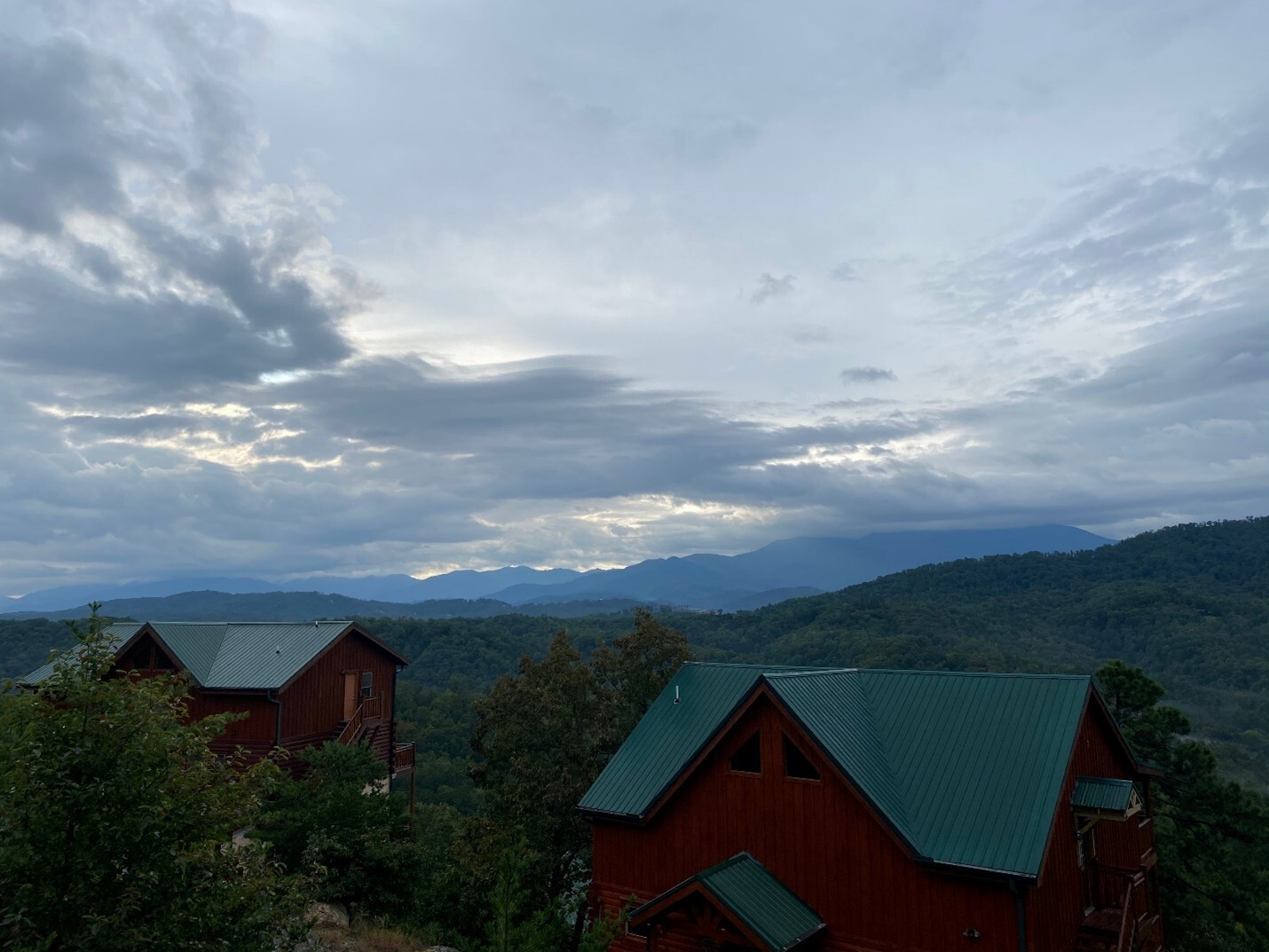
Mountain destinations tend to attract big family groups for exactly that reason. Gatlinburg shows up on a lot of group travel wish lists. The national park sits right next door, and the town stays lively all year.
Set Up a Shared Planning Hub
The first real step in planning a big group trip usually has nothing to do with flights or activities. It’s organization. Without a single place where information lives, planning conversations scatter everywhere. A few messages in the family group chat. Someone starts a side conversation with two cousins. A link gets buried under thirty unrelated texts about dinner plans.
A shared planning hub fixes that immediately. Nothing complicated. A shared document works perfectly. Some groups like collaborative boards or trip planning apps, but the exact tool doesn’t matter much. What matters is that everyone knows where the plan lives. Lodging links go there. Possible travel dates. Activity ideas. Reservation updates. Everything.
Accommodation searches often become the most active part of that hub early on. Large groups usually want everyone to stay together rather than splitting into separate hotels across town. During that search, a lot of families start browsing Gatlinburg cabin rentals for a large family vacation, especially through Hearthside Cabin Rentals. Their properties tend to come up frequently when groups need large living areas, multiple bedrooms, and enough shared space for everyone to actually gather.
Plan Arrival Windows
Trying to coordinate the exact arrival time for a large group almost never works. Someone gets stuck in traffic, leaving their city. Another traveler stops for gas and ends up grabbing lunch. Flights land late more often than people expect. The result usually involves someone apologizing repeatedly while the rest of the group waits around.
Arrival windows work much better. People show up whenever their travel route allows. Plus, the first evening tends to feel smoother that way.
Create Subgroups for Specialized Activities
Large groups rarely want to spend every minute together. It sounds nice at first, but different interests always appear once the trip begins. Some travelers want hiking trails. Others prefer browsing local shops or exploring the town.
Subgroups make the trip far more relaxed. Smaller clusters form naturally based on what people want to do that day. A few early risers head into the park for a morning hike. Another group wanders downtown, checking out shops and bakeries. Someone might stay back at the cabin with coffee and a book.
Everyone reconnects later anyway. Dinner often becomes the gathering point. Stories get shared. Photos get passed around.
Build a Daily Framework
Detailed hourly itineraries tend to collapse the moment a large group tries to follow them. Someone sleeps late. Kids get distracted by something unexpected. A quick breakfast turns into a long conversation.
A loose daily framework works much better. The group might plan one main outing in the morning and a shared dinner later in the evening—everything in between stays open. People can join activities or peel off for something else. Ironically, that relaxed structure often keeps the group together longer. Nobody feels rushed from place to place. Conversations stretch out. Someone suggests an unplanned stop along the road. Trips often become memorable in those unscheduled moments.
Use Polling Tools to Make Group Decisions Efficiently
Group travel planning can stall over surprisingly minor decisions. Someone asks which attraction everyone wants to visit first. Five people respond quickly. Three people forgot to answer. One person scrolls past the message entirely. Then, two days later, someone asks the same question again because the thread got buried under memes and unrelated messages.
Polling tools help cut through that kind of mess. A simple vote lets people react quickly without opening a long discussion. Tap an option and move on. No long explanations required.
Assign Clear Roles Instead of Letting Everyone Plan Everything
Large group trips often begin with good intentions. Everyone wants to help. Everyone has ideas. Strangely enough, that’s where confusion sneaks in.
Three people might research the same attraction without realizing it. Meanwhile, nobody has checked parking options near the cabin or looked into grocery stores nearby. Tasks get repeated while other details slip through unnoticed.
Splitting responsibilities helps the planning feel lighter. One person keeps an eye on lodging details. Another keeps track of activities the group might want to try. Someone else looks at transportation or driving routes. Nobody ends up doing everything. Everyone contributes something. The planning process feels much calmer once those roles settle naturally.
Designate a Local Navigation Lead During the Trip
Large groups walking through unfamiliar places tend to slow down fast. Someone checks their phone map. Another person walks in the opposite direction because their map rotated differently. Suddenly, the group is standing on a corner trying to figure out where to go next.
A navigation lead quietly fixes that problem. One person keeps the route in mind while everyone else chats or looks around. Nothing formal about it. Just someone paying attention to where the group is headed.
Sometimes the role rotates without anyone planning it. One traveler naturally takes over directions during a hike. Another handles the route through town later in the evening. The group keeps moving without turning every intersection into a debate.
Plan Group Meals Strategically to Simplify Dining Decisions
Food decisions can take longer than expected with a large group. Ten people standing around asking “Where should we eat?” rarely reach a quick answer. Someone suggests pizza. Someone else wants barbecue. A third person mentions a café they saw earlier.
Planning a few shared meals ahead of time avoids that daily negotiation. Maybe one dinner reservation during the trip. Maybe a night where everyone cooks together back at the cabin. Outside of those moments, people naturally split into smaller groups anyway. Some head out for coffee early in the morning. Others wander into town later for lunch.
Large group travel rarely feels perfectly organized from start to finish. That’s normal. A little structure just keeps the planning from turning into confusion. Once the basics settle into place, the trip starts feeling natural.