"You'll be in Room 702, Miss Hamm, " the hotel desk clerk said. "The elevators are right over there." He might as well have used the public address system to announce, "Got evil on your mind? Woman traveling alone in 702." You don't encounter that kind of thoughtless endangerment much anymore. But solo women travelers face a new set of threats to safety, given the changes in the infrastructure of travel, including ride sharing and Airbnb. The sharing economy isn't new, but the problems it poses are variations on old issues.
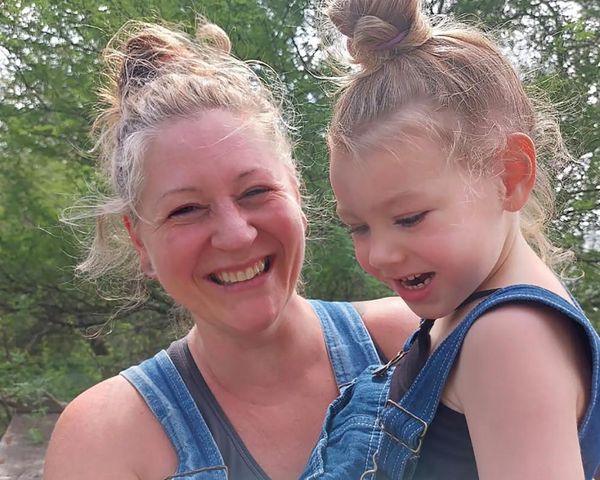
Airbnb and Uber have recently been in the news because of the slayings of women who used those services: Carla Stefaniak of Miami, whose body was found in December on the property of her Airbnb in Costa Rica, and Samantha Josephson, a New Jersey woman attending the University of South Carolina in Columbia, who was killed March 29 after getting into what she thought was her Uber ride. Arrests have been made in both cases.
Security and intelligence experts I spoke with emphasized that their advice is meant for everyone but may be of particular interest to women, especially those who travel alone for business or pleasure.
Focusing on women may strike some as feeding a stereotype. Statistically, women are less likely to be murdered _ 78% of those killed in 2017 were men, according to the FBI Uniform Crime Report.
But other statistics send the pendulum the other way; those FBI crime stats show a 4% increase in rape from 2016 to 2017. The National Sexual Violence Resource Center notes that 91% of rape victims are women and that one in five women will be raped.
It's "100% easier to be a man" traveling than a woman, said Bruce McIndoe, president and founder of WorldAware, a global risk management provider for companies.
Women are treated differently, he said, and are often the object of unwanted attention. "I have female colleagues who won't go to a hotel restaurant," he said, "They say, 'I'm tired of being approached' so they just stay in the room and eat dinner."
The tips will work for anyone of any age. With help from McIndoe and his colleague, Katherine Harmon, the senior director of category intelligence; Kevin Coffey, a retired L.A. Police Department detective who speaks on travel and risk; and Matthew Bradley, regional security director Americas, International SOS and Control Risks.