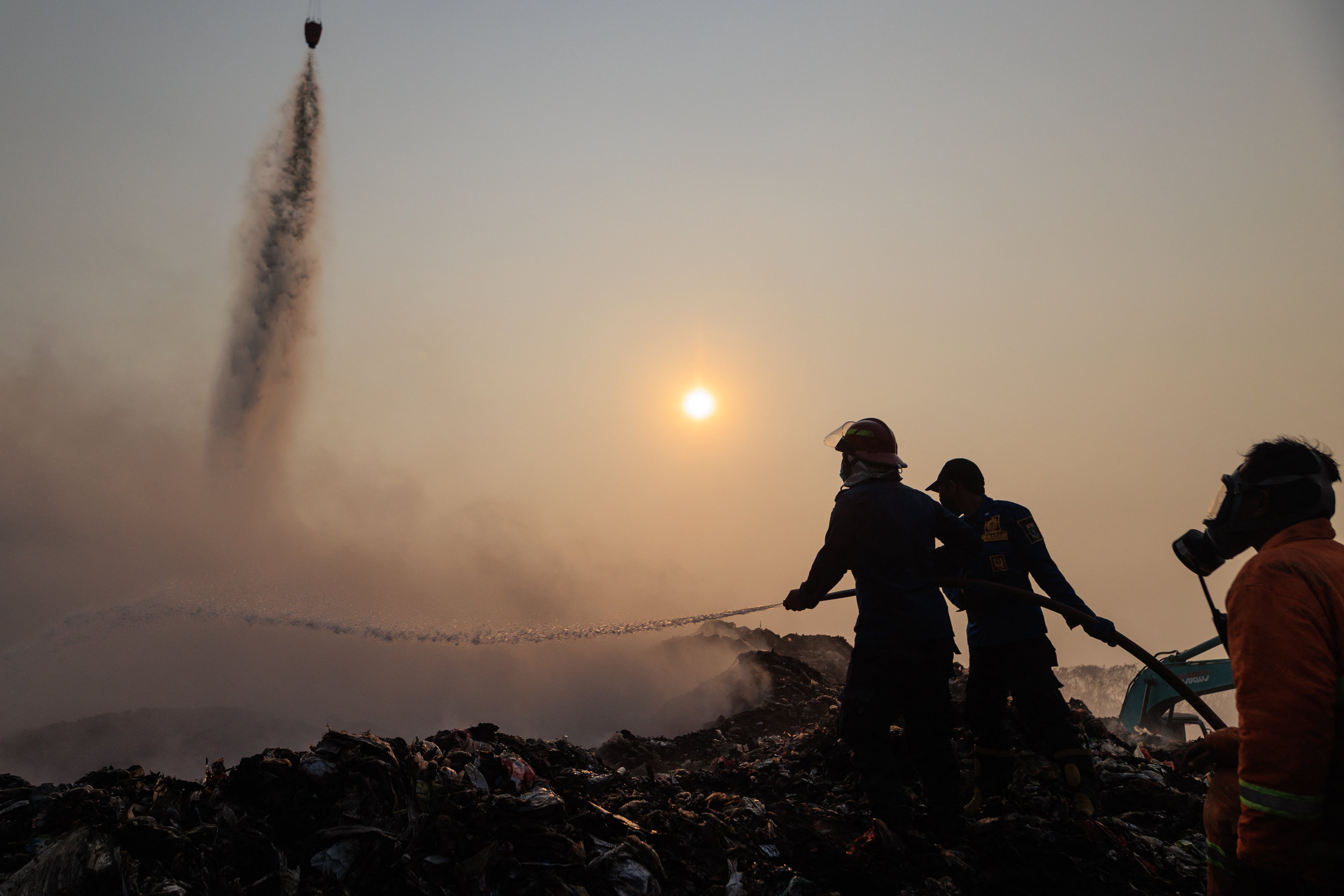
A landfill fire burning for more than a week on the outskirts of Indonesia’s capital of Jakarta and creating hazardous conditions for people in the area has finally been put out, officials said.
The blaze at Jatiwaringin landfill in Jakarta’s Tangerang district, which was raging since 30 June, has now been brought under control, a disaster agency spokesperson said on Friday.
Abdul Muhari, the national disaster mitigation agency spokesperson, said the fire burned an area at the landfill measuring around 15 hectares but was extinguished on Thursday evening.
Indonesian officials in the region declared a two-week emergency after more than 300 cases of acute respiratory syndrome were reported by locals.
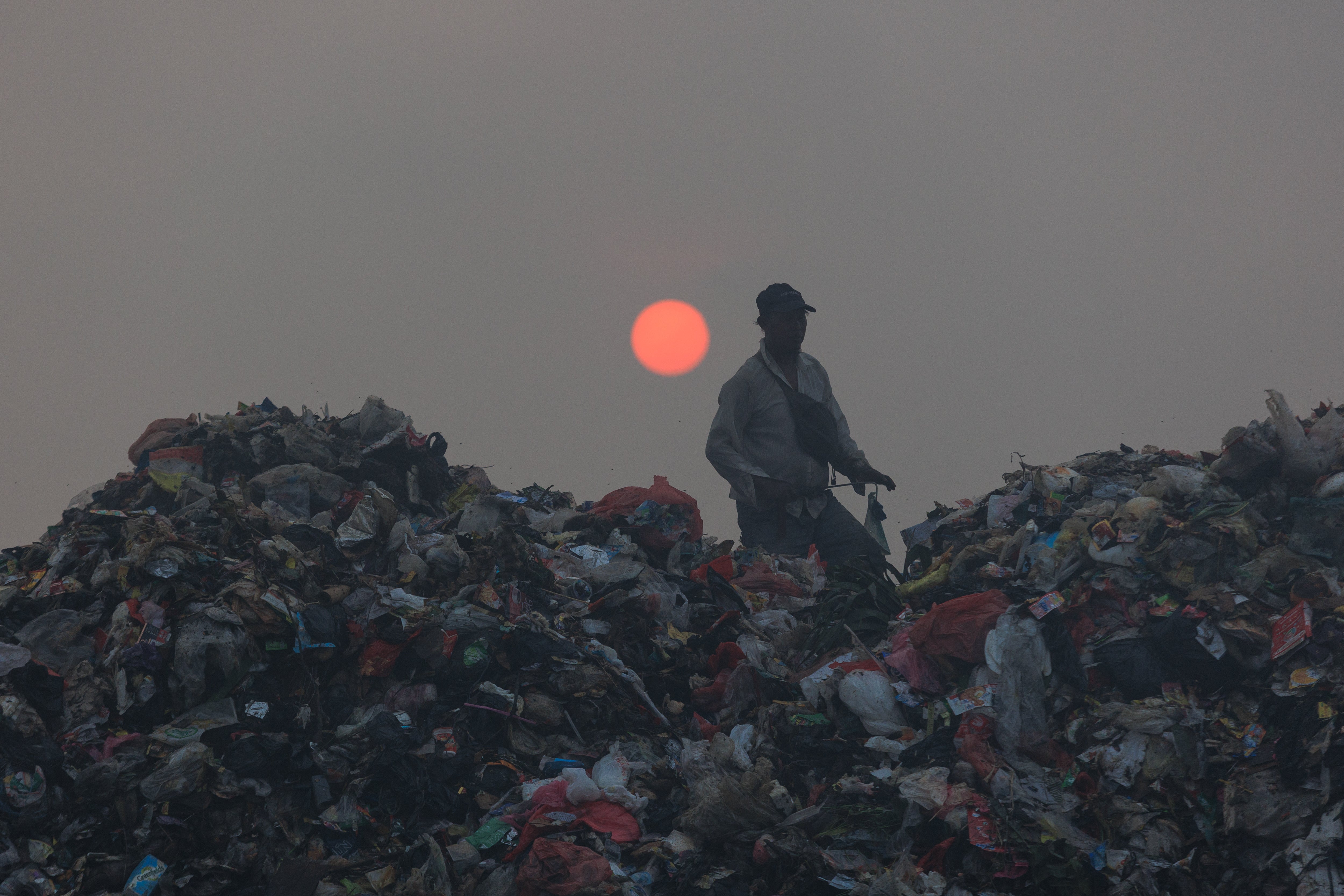
Photos and videos of the incident showed huge black clouds of smoke billowing from the mountain of garbage.
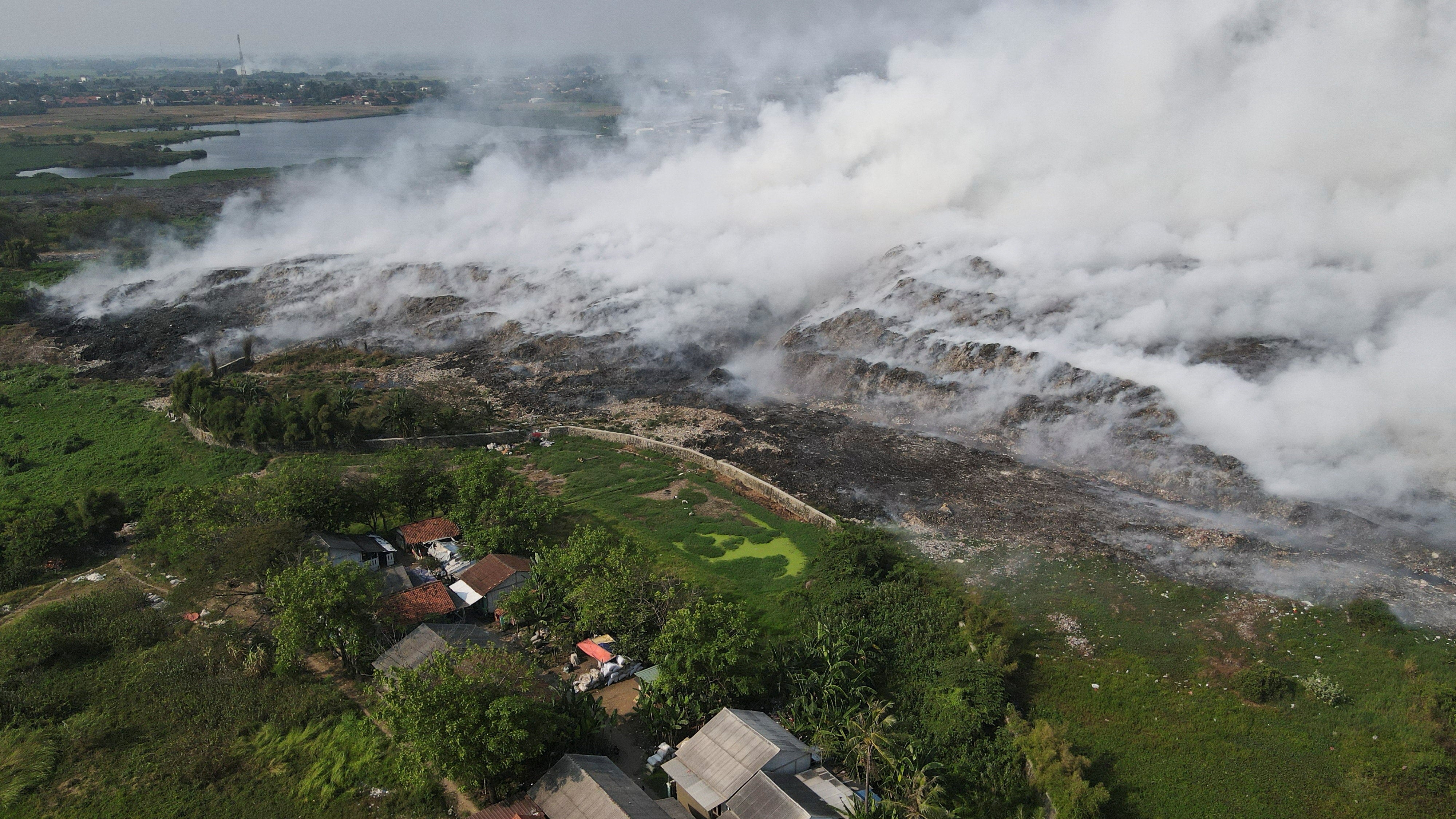
Officials at the local disaster mitigation agency said more than 230 people were evacuated from the area but said no hospitalisations were reported despite the drastic impact on health of the locals.
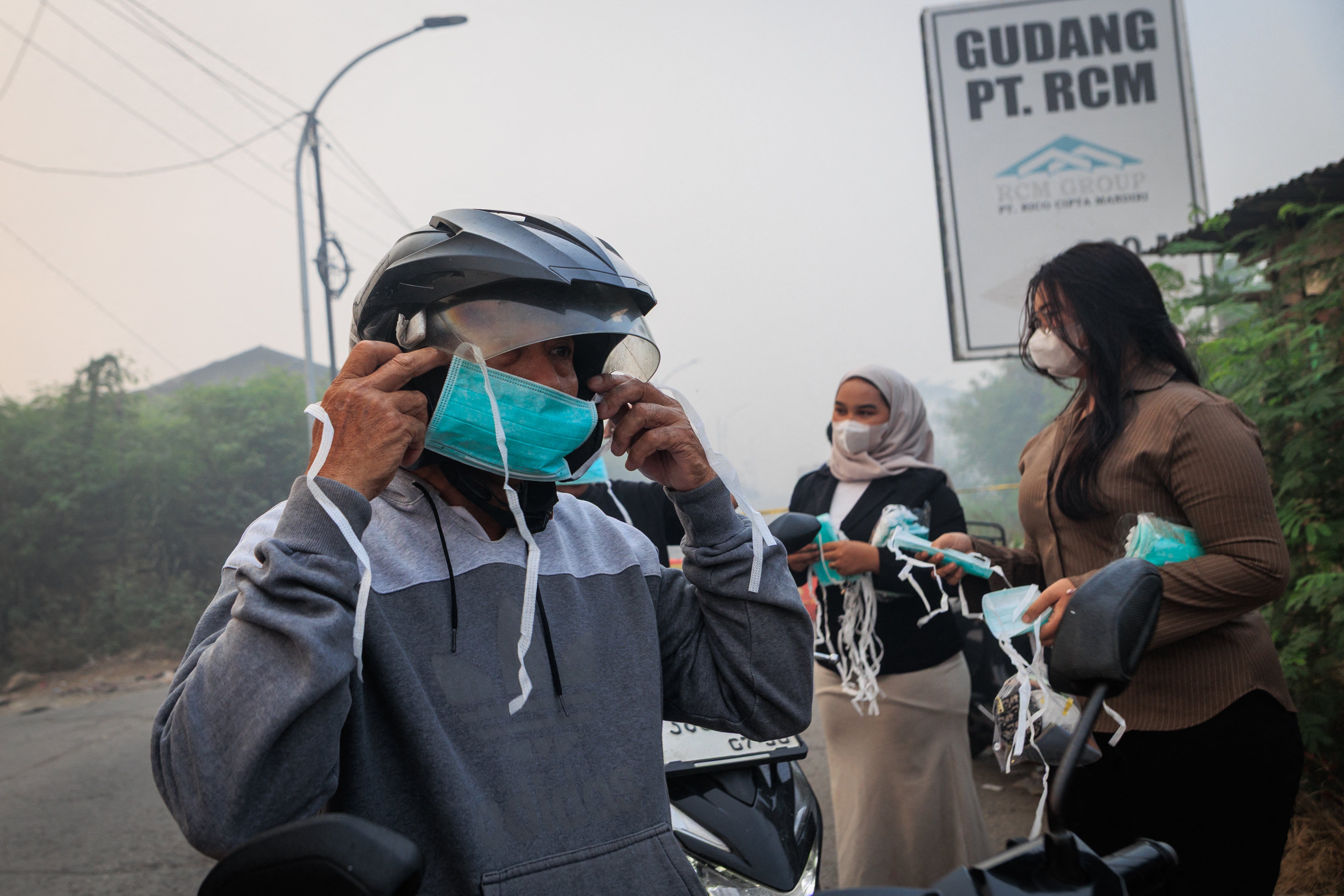
Firefighters were now carrying out an “intensive” cooling-down phase to douse the site, Mr Abdul told AFP.
"The joint team... remains on full alert to accelerate total wetting" of the burned area, he said.
The evacuees who had to flee the area because of the hazardous smoke have now returned to their homes, he said.
It is not immediately clear what caused the fire at the trash mountain but environment ministry official Rizal Irawan said an investigation is on.
Locals at the site said they were expecting an incident like this because of the lethal combination of trapped methane gas under tonnes of waste and the heat wave.
Wahyu Eka Styawan, a campaigner with the Indonesian non-governmental organisation Forum for the Environment (Walhi), said this was a “time bomb of accumulated waste management problems” ignored by authorities for years without any fundamental changes.
"As soon as there is a small spark or heat, the methane gas under the mountain of rubbish immediately ignites," Mr Wahyu told BBC.
Officials at Indonesia's Meteorology, Climatology, and Geophysics Agency (BMKG) said that the country is set to see the dry season get more intense and prolonged than average, owing in part to the heating effects from the El Nino weather pattern.