
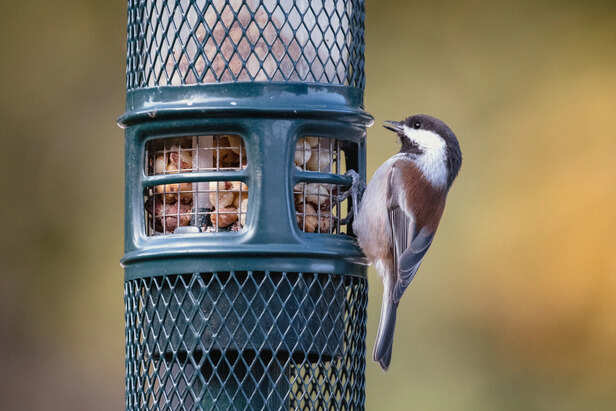
Birds have always symbolised freedom. Their open wings, morning songs, and effortless flight make us feel closer to nature. Yet, across homes around the world, many birds live their lives inside cages. They are fed, cleaned, and cared for. But a deeper question often remains unasked.
Can birds lose their joy when they live in captivity?
While cages may keep birds safe from predators and harsh weather, they can also take away something very precious. Freedom, stimulation, and emotional connection. Just like humans, birds are not only physical beings. They have emotional needs too. When these needs are ignored, their happiness can slowly fade.
This article explores whether birds can experience sadness or depression in cages, what science says about their emotional health, and how pet parents can help their feathered companions live happier lives.
Do Birds Have Feelings? Understanding Their Emotional World
For a long time, people believed that birds function only on instinct. That they eat, sleep, and survive without emotions. Modern research has proved otherwise. Birds are intelligent, sensitive, and emotionally aware creatures. Many species form strong bonds with their mates, their flock, and even their human caregivers. Parrots, cockatiels, budgies, and lovebirds are especially known for their social nature.
Birds can feel joy, curiosity, fear, stress, and grief. Some birds mourn the loss of a partner. Others show excitement when they hear a familiar voice. These emotional responses show that birds experience life more deeply than we once thought. When such emotionally aware beings are kept in limited spaces with little stimulation, it can affect their mental well being.
Why Freedom Matters More Than We Think
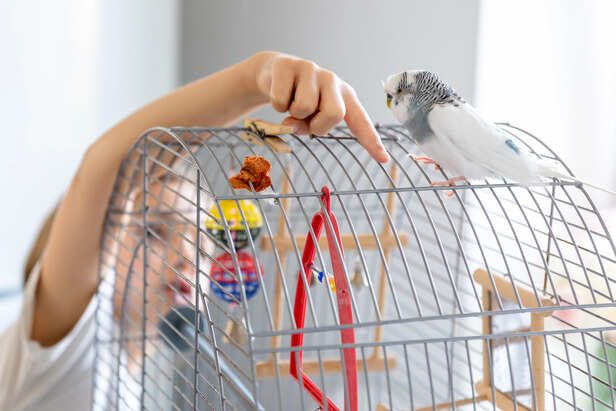
For birds, flying is not just a way to move from one place to another. It is a natural expression of who they are. In the wild, birds spend most of their day flying, foraging, exploring, and socialising. Flight helps them release energy, stay mentally active, and feel in control of their environment. In a cage, even a clean and well maintained one, movement becomes restricted. Wings that were meant to stretch across the sky remain folded for most of the day. Over time, this lack of freedom can lead to frustration and restlessness. Some birds adapt quietly. Others show signs of distress. The absence of flight can affect both their physical health and emotional state.
Signs Your Pet Bird May Be Unhappy in Its Cage
Birds do not cry or complain in obvious ways. Their distress often shows up through subtle behavioural changes that many pet parents miss. One common sign is silence. A bird that once chirped, sang, or interacted may suddenly become quiet. Another sign is aggression. Some birds start biting, screaming, or acting fearful without a clear reason. Feather plucking is a serious warning sign. Birds may pull out their own feathers due to stress, boredom, or emotional pain. Repetitive movements like pacing, head bobbing, or rocking can also indicate mental distress.
Loss of appetite, low energy, and avoidance of interaction are other signs that a bird may be struggling emotionally. These behaviours are not bad habits. They are cries for help.
Can Birds Experience Depression? What Science Says
The idea of birds experiencing depression may sound surprising, but research suggests it is possible. Studies on parrots and other intelligent bird species show that long term isolation, lack of stimulation, and confinement can lead to stress related behaviours similar to depression in humans. Veterinarians and avian behaviourists often use the term psychological distress rather than depression. However, the symptoms are closely related. Withdrawal, self harm, loss of interest, and emotional dullness.
Bird brains contain neurotransmitters like dopamine and serotonin, which are linked to mood and pleasure. When a bird lives in a dull or lonely environment, these chemical balances can be affected. This means that captivity, especially without enrichment, can impact a bird’s mental health.
The Role of Loneliness and Lack of Stimulation
Many pet birds are social animals. In the wild, they live in flocks where communication and bonding are constant. Isolation can be deeply unsettling for them. A bird kept alone in a cage for long hours may feel lonely, even if food and water are always available. Loneliness can lead to boredom, stress, and emotional decline. Mental stimulation is equally important. Birds need variety, challenges, and engagement. Without toys, interaction, or environmental changes, their days start to feel the same. Imagine spending your entire life in one room with nothing new to see or do. For birds, this mental stagnation can slowly steal their joy.
Cage Size, Environment, and Daily Interaction Matter
Not all cages are equal. Cage size plays a huge role in a bird’s happiness. A small cage limits movement and increases stress. Birds need enough space to stretch their wings, climb, and move freely. Placement of the cage also matters. A cage placed in a quiet corner with little interaction can make birds feel ignored. On the other hand, constant noise and chaos can overwhelm them.
Daily interaction with humans is essential, especially for hand raised birds. Talking to them, allowing supervised out of cage time, and responding to their sounds helps them feel connected. A bird’s environment should support both safety and stimulation.
How Pet Parents Can Restore Joy in Captive Birds
The good news is that joy can be nurtured, even in captivity. Providing enrichment is one of the most effective ways to improve a bird’s emotional health. Toys that encourage problem solving, foraging, and play can keep their minds active. Rotating toys regularly prevents boredom. Out of cage time is extremely important. Allowing birds to fly or move freely in a safe space helps them release energy and feel alive.
Social interaction matters too. Talking, singing, and spending time with birds builds trust and emotional security. For social species, having a companion bird can also help, if done responsibly. Even small changes, like placing the cage near a window or playing soft natural sounds, can make a difference.
Can a Caged Bird Be Truly Happy?
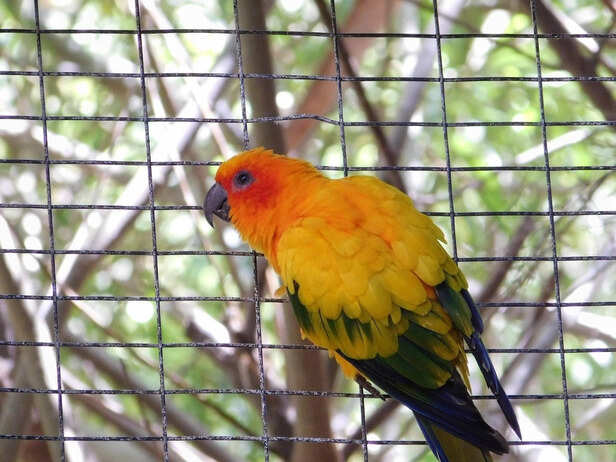
This is a difficult question with no single answer. Some birds adapt well to captivity when their needs are met thoughtfully. They form bonds with humans, enjoy stimulation, and live content lives. Others struggle deeply, especially species that are highly intelligent and social.
Happiness in captivity depends on how much effort is put into understanding the bird’s natural instincts and emotional needs. A cage should never feel like a prison. It should feel like a safe home that supports freedom of expression within limits.
Rethinking Captivity and Our Responsibility
Keeping birds as pets comes with ethical responsibility. Loving a bird means more than feeding and sheltering it. It means respecting its emotional world. Before bringing a bird home, it is important to ask whether we can truly meet its needs. Birds are not decorative objects or low maintenance pets. They are living beings with complex emotions. For those who already share their lives with birds, awareness is the first step. Observing behaviour, learning about species specific needs, and making conscious changes can help restore joy.
Sometimes, love means letting birds experience as much freedom and dignity as possible, even within captivity.
Listening to the Silent Wings
Birds may not speak our language, but they communicate constantly through behaviour, sound, and presence. When a bird loses its joy, it often does so quietly. By paying attention, we can hear what they are trying to tell us. A happy bird is curious, expressive, and engaged with life. Protecting that joy is not just kindness. Because a life with wings deserves more than survival. It deserves happiness too.
Celebrate the bond with your pets, explore Health & Nutrition, discover Breeds, master Training Tips, Behavior Decoder, and set out on exciting Travel Tails with Times Pets!