Modern events demand more than just a stage and a microphone. From corporate conferences to immersive brand activations, audiences now expect visual experiences that captivate, inform, and inspire. As event technology evolves at a rapid pace, organizers face a critical decision: stick with conventional display solutions or embrace newer innovations that redefine what's possible. The transparent LED screen has emerged as one of the most compelling alternatives to traditional displays, offering a blend of visual impact and architectural elegance that standard screens simply cannot match. But does this technology truly outperform projectors, LED walls, and LCD panels for every event scenario? Which solution best serves the dual demands of high-impact visuals and practical portability that event professionals juggle daily? This article provides a thorough comparison between transparent LED screens and traditional display technologies, delivering actionable insights to help event organizers make informed decisions based on their specific venue requirements, audience expectations, and logistical constraints.
What Are Transparent LED Screens? Technology and Types
A transparent LED screen is a display technology that allows light and visibility to pass through the panel while simultaneously projecting dynamic content. Unlike conventional screens that rely on solid backings, these displays use thin LED strips mounted on minimal frameworks, creating gaps between pixel rows that permit see-through visibility. The result is a screen that can show vibrant video, animations, and graphics while maintaining a clear view of whatever lies behind it.
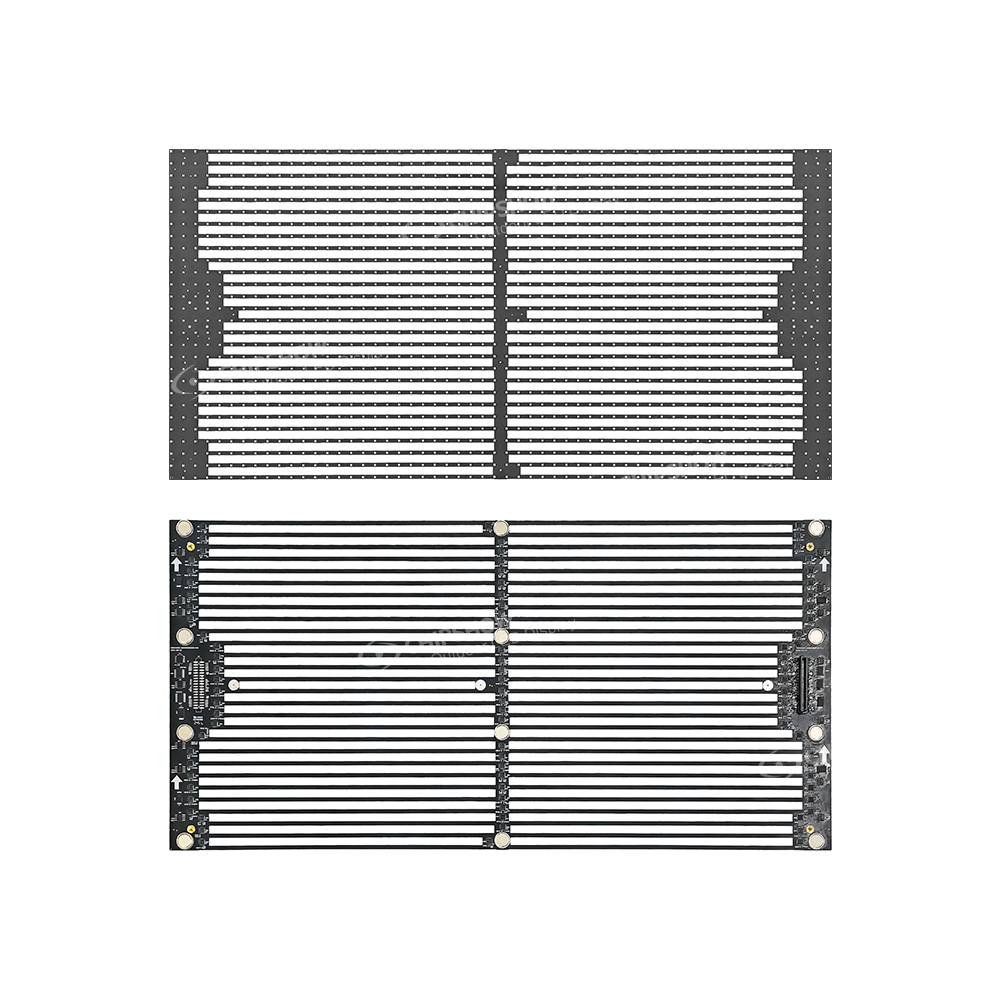
Two primary variants dominate the event market. The transparent LED display features ultra-thin PCB strips with pixel pitches typically ranging from 3.9mm to 10mm, achieving transparency rates between 60% and 90%. The mesh LED screen takes a slightly different approach, using flexible LED modules attached to a net-like structure, making it ideal for curved installations and unconventional stage shapes. Both types share key advantages: high transparency that preserves sightlines, lightweight design that simplifies rigging, and modular construction that adapts to various configurations. In event settings, these screens serve as stage backdrops that reveal performers behind the content, storefront-style product reveals, and suspended aerial displays that appear to float above audiences—applications where traditional opaque screens would obstruct views and limit creative possibilities.
Traditional Displays for Events: An Overview
Traditional event displays encompass three primary technologies that have served the industry for decades. Projectors remain popular for conferences and presentations, casting images onto screens or surfaces using high-powered lamps. They work well in controlled lighting environments but struggle with ambient light, often producing washed-out visuals in brightly lit venues or outdoor settings. Standard LED walls consist of tightly packed LED modules forming a solid, opaque surface capable of delivering exceptional brightness and vivid color reproduction. These panels excel at concerts and large-scale productions but require substantial structural support due to their considerable weight, and their solid construction blocks any view of the stage behind them. LCD screens offer sharp resolution at closer viewing distances, making them suitable for trade shows and smaller breakout sessions, though their limited size scalability and fragile glass panels create logistical challenges for touring events.
Each of these technologies shares common limitations that push event professionals toward newer solutions. Projectors depend heavily on darkened rooms. LED walls add significant load to rigging systems and create visual barriers between performers and audiences. LCD panels lack the scale needed for large venues and demand careful handling during transport. These constraints—combined with growing audience expectations for seamless, immersive environments where technology enhances rather than obstructs the experience—have created demand for display solutions that overcome the fundamental trade-off between visual impact and spatial openness.
Key Comparisons: Transparent LED Screens vs Traditional Displays
Choosing between transparent LED screens and traditional displays requires evaluating specific performance criteria that directly affect audience experience and event logistics. Rather than declaring one technology universally superior, the following comparisons reveal where each solution excels and where compromises exist.
Visual Quality and Immersive Experience
Traditional LED walls deliver superior pixel density and contrast ratios, making them ideal when content detail is paramount—think close-up product shots or text-heavy presentations. Projectors, meanwhile, struggle in any environment where ambient light cannot be fully controlled. A transparent LED screen occupies a unique middle ground: while its pixel pitch is typically wider than solid LED walls (meaning slightly lower resolution at close range), its high transparency display capability creates a layered visual effect that solid screens cannot replicate. Audiences see content floating in space with the stage, architecture, or performers visible behind it, producing a sense of depth that dramatically enhances immersion. Brightness levels on quality transparent panels reach 5,000 nits or higher, ensuring visibility even in well-lit indoor venues. The trade-off is straightforward—if raw resolution matters most, traditional LED walls win; if spatial immersion and visual elegance drive the event design, transparent technology delivers an experience no opaque screen can match.
Portability, Weight, and Setup Flexibility
Weight differences between technologies are substantial. A standard LED wall panel typically weighs 28–35 kg per square meter, demanding heavy-duty rigging and extended setup crews. A lightweight LED panel in the transparent category weighs roughly 12–16 kg per square meter—often less than half the load. This reduction translates directly into faster rigging, lower structural requirements for venues with limited load-bearing capacity, and reduced shipping costs for touring productions. Modular cabinet designs allow crews to assemble large-format transparent displays in significantly less time than equivalent traditional walls, with tool-free locking mechanisms that speed both installation and teardown. For events requiring rapid venue transitions or installations in architecturally sensitive spaces where heavy rigging isn't feasible, this weight advantage becomes a decisive factor.
Aesthetic Integration and Space Utilization
Opaque traditional screens function as visual walls—they define boundaries and block sightlines. This works when the goal is focused attention on content alone, but it limits stage design creativity and can make venues feel smaller. Transparent LED screens fundamentally change spatial dynamics by preserving depth and openness. Stage designers can place screens between the audience and performers without creating separation, layer multiple transparent panels at varying depths to produce parallax effects, or hang displays from ceilings without casting the oppressive shadow of a solid wall. Retail activations benefit from storefront installations where products remain visible behind promotional content. Conference stages gain visual sophistication when speakers appear to stand within the content rather than in front of it. This integration capability means transparent displays enhance existing architecture and stage elements rather than competing with them, giving event designers far greater creative flexibility in how they utilize available space.
Solving Event Organizers' Needs with Transparent LED Solutions
Event organizers operate under competing pressures: deliver unforgettable visual experiences while managing tight timelines, limited budgets, and unpredictable venue constraints. Transparent LED technology addresses these tensions not as a compromise but as a purpose-built solution that aligns technical capability with practical event realities.
Need for High-Quality Visual Displays: How Transparent LED Screens Deliver
Start by auditing your event's visual priorities. If the program includes keynote presentations with detailed graphics, product launches requiring cinematic reveals, or live performances where atmosphere matters as much as content clarity, the display choice must reflect those demands. For large-scale venues—convention halls, outdoor festivals, or multi-story atriums—a mesh LED screen provides the scale needed without overwhelming the space, since its flexible structure conforms to curved trusses and irregular surfaces while maintaining brightness above 4,500 nits. For mid-sized corporate events where branding precision matters, a transparent LED display with tighter pixel pitch (3.9mm to 7.8mm) delivers sharp logos and readable text while keeping the stage environment visible and connected to the audience. Manufacturers like Chipshow have developed transparent panel lines specifically engineered for the demands of live event environments, offering high brightness output and modular designs that streamline deployment. The practical solution is matching transparency ratio to content type: choose 70–80% transparency when background visibility is essential to the design concept, or opt for 60–65% when content density takes priority. This deliberate selection process ensures visual quality serves the event narrative rather than working against it.
Requirement for Lightweight and Portable Options: Implementation Strategies
Portability planning begins during the venue assessment phase, not after equipment is ordered. First, determine the venue's rigging capacity—many historic buildings, rooftop spaces, and temporary structures cannot support loads exceeding 25 kg per square meter, immediately ruling out traditional LED walls. Lightweight LED panel solutions in the transparent category solve this by cutting structural demands nearly in half, opening venues that were previously incompatible with large-format displays. Second, evaluate your production schedule. Events requiring same-day load-in and load-out benefit from modular transparent panels with quick-connect systems that two technicians can assemble without specialized tools, reducing crew size and overtime costs. Third, for touring productions visiting multiple cities, calculate cumulative shipping savings—lighter panels mean fewer trucks, lower fuel costs, and simplified customs documentation for international events. The implementation strategy is sequential: assess structural limits first, then match panel weight specifications to those limits, and finally design the content and rigging plan around confirmed hardware. This approach eliminates costly last-minute substitutions and ensures every venue on the tour receives a consistent, high-quality visual experience.
Practical Implementation Guide for Event Organizers
Moving from technology comparison to actual deployment requires a structured approach that accounts for creative vision, technical constraints, and financial realities. The following guidance distills best practices from successful transparent LED installations across corporate, entertainment, and retail event sectors.
Step-by-Step Selection Process
Begin with venue reconnaissance. Measure available installation areas, document rigging points and load capacities, and photograph sightlines from key audience positions. Next, define your content strategy—events featuring bold graphics and video loops tolerate wider pixel pitches (7.8–10mm), while those requiring readable text or fine brand details need tighter configurations (3.9–5.2mm). Third, determine the transparency ratio based on what sits behind the screen. A stage with performers or scenic elements warrants 75–90% transparency; a screen functioning primarily as a content surface with minimal background importance can use 60–70%. Fourth, request physical samples or arrange a showroom visit to evaluate brightness and color accuracy under lighting conditions similar to your venue. Finally, confirm that the chosen transparent LED display system is compatible with your content management workflow—ensure signal inputs, resolution mapping, and control software integrate with existing production infrastructure without requiring additional converters or custom programming.
Installation, Maintenance, and Cost Considerations
Plan installation in three phases: structural preparation, panel mounting, and content calibration. Allocate at least 30% less rigging time compared to traditional LED walls, but budget additional time for brightness and color uniformity adjustments across transparent panels, since their open structure makes inconsistencies more noticeable. For maintenance, transparent screens benefit from front-accessible module replacement—individual LED strips can be swapped on-site without dismantling entire sections, minimizing downtime during multi-day events. Regarding return on investment, calculate value beyond single-event costs. A lightweight LED panel system that opens access to previously unusable venues, reduces crew requirements by two to four technicians per installation, and cuts shipping weight by 40–50% generates compounding savings across a season of events. Factor in the creative premium as well: transparent displays command higher audience engagement scores and stronger social media response, translating directly into measurable brand value for clients willing to invest in differentiated experiences.
Choosing the Right Display Technology for Your Next Event
The comparison between transparent LED screens and traditional displays reveals a clear trajectory in event technology. While projectors, LED walls, and LCD panels continue to serve specific purposes—particularly when maximum resolution or controlled environments are available—transparent LED solutions address the growing demand for displays that enhance rather than obstruct event environments. The transparent LED screen delivers measurable advantages in weight reduction, setup efficiency, and creative versatility that directly solve the logistical challenges event organizers face daily. Its ability to maintain high brightness while preserving sightlines and spatial openness gives designers freedom that opaque technologies fundamentally cannot offer. For touring productions, the lightweight LED panel format compounds savings across multiple venues while maintaining consistent visual quality. For fixed installations, the architectural integration possibilities open creative directions that redefine audience engagement. As event audiences continue expecting more immersive, visually sophisticated experiences, organizers who adopt transparent display technology position themselves ahead of competitors still relying solely on conventional solutions. Evaluate your upcoming event calendar, assess your venue constraints, and explore how transparent LED technology can elevate your next production from standard to extraordinary.