Since our founding, Sussex has been a research-led university carrying out groundbreaking work that impacts directly on the wider world. One of the cornerstones of our governing strategy is to deliver internationally high quality research of lasting academic value that benefits and enriches society.
Our work addresses major world issues, leading in areas of expertise such as climate change and development studies. We have recently been ranked 34th among 200 top world universities for research influence in the Times Higher Education World University Rankings 2014-15.
Our academic staff are engaged in a wide variety of research that has a global impact on populations and individuals worldwide. They come to Sussex from diverse places around the world – one in four of our teaching and research staff is from overseas, helping us maintain a global outlook. Here are some examples of Sussex research that is having great impact internationally.
Fighting podoconiosis, a ‘neglected’ tropical disease
Podoconiosis is a widespread non-infectious disease of the lower legs that causes swelling, pain, disability and extreme social stigma for sufferers. It affects the wellbeing of an estimated four million people annually and constrains economic development in a number of tropical counties.
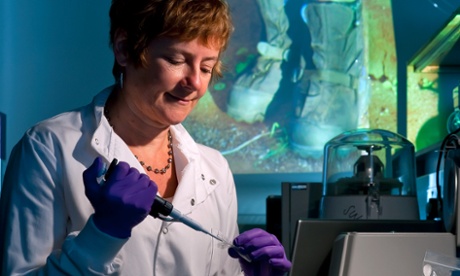
Through world-class genetic, public health and social science research, a group at Brighton and Sussex Medical School has generated evidence for a simple programme of podoconiosis treatment and prevention that has already reached an estimated 60,000 patients in endemic areas of Ethiopia, providing significant clinical, social and economic benefits.
Low-carbon technology transfer: enhancing international policy on climate change
Climate change is arguably one of the most pressing international issues of the modern age and tackling this seemingly immense problem requires radical innovation in energy consumption and a global switch from high- to low-carbon economies.
Research by the Sussex Energy Group is helping to facilitate the transfer of low-carbon technology to developing countries by informing new policy approaches, including international collaborative research and development and the establishment of climate innovation centres.
The research findings were presented at meetings of the United Nations Framework Convention on Climate Change, among others, and contributed to material proposals for new policy approaches. Emerging ideas from Sussex, together with proposals by research partners in other institutions around the world, all served to emphasise the potential of climate innovation centres in developing countries as a policy mechanism through which low-carbon technological capacity building could be achieved.
Improving crowd management practices around the world
Crowd disorder is a significant social problem that costs millions in resources and man hours, and has considerable human cost in terms of injury, arrest and imprisonment. Research at Sussex on the dynamics of crowd behaviour has improved our understanding of the psychological effects of two distinct types of crowd participation: events that involve collective conflict against authority and collective resilience in emergency situations.
This work has had direct influence, nationally and internationally, on crowd management practices in both of these contexts. In terms of policing crowds, the research has helped generate new public order practices that are being implemented by police forces in the UK and across Europe. The insights into collective resilience in disasters has informed new guidance on psychosocial care for people in emergencies from organisations such as NATO and the UK’s Department of Health.