

Stubborn or Simply Confused?

Many pet parents feel frustrated when their pet does not listen. It may look like stubbornness, but in most cases, pets are confused about what is expected from them. When training is unclear or inconsistent, pets struggle to respond correctly.
Mistake 1: Inconsistent Commands

Using different words for the same action can confuse your pet. For example, saying “come,” “come here,” and “come now” for the same command can make it harder for them to understand.
What to do instead:
Stick to one clear command for each action and repeat it consistently.
Mistake 2: Lack of Patience

Training takes time, and expecting quick results can lead to frustration. Pets learn at their own pace, and rushing the process can make them anxious.
What to do instead:
Be patient and give your pet time to understand and respond.
Mistake 3: Punishing Instead of Guiding

Punishment can make your pet fearful rather than obedient. It can also damage the bond between you and your pet.
What to do instead:
Focus on positive reinforcement by rewarding good behavior with treats, praise, or affection.
Mistake 4: Overtraining in One Session
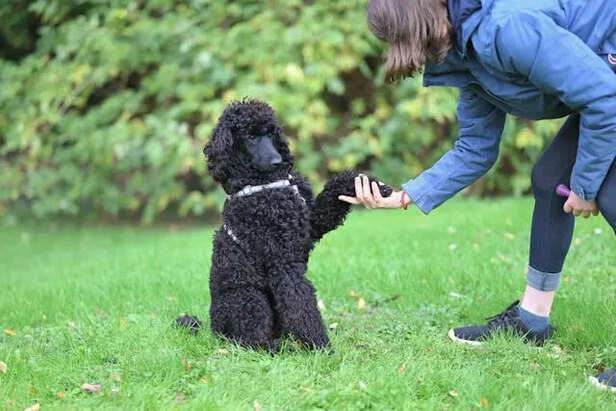
Long training sessions can tire your pet and reduce their interest. When they are tired, they are less likely to respond.
What to do instead:
Keep training sessions short and engaging, around 10 to 15 minutes.
Mistake 5: Ignoring Timing

Rewarding or correcting your pet too late can confuse them. They may not connect the action with the response.
What to do instead:
Give rewards or corrections immediately after the behavior.
Mistake 6: Not Understanding Your Pet’s Personality
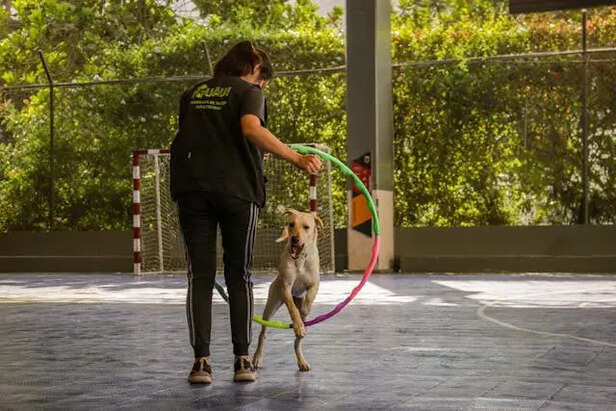
Every pet is different. Some are energetic, while others are calm. Using the same training method for all pets may not work.
What to do instead:
Observe your pet and adjust your training style according to their personality.
Signs Your Training Approach Needs a Change
- Your pet ignores commands
- They seem stressed or scared
- They lose interest quickly
- They repeat unwanted behavior
These signs show that your training method may need improvement.
Smarter Training, Better Results
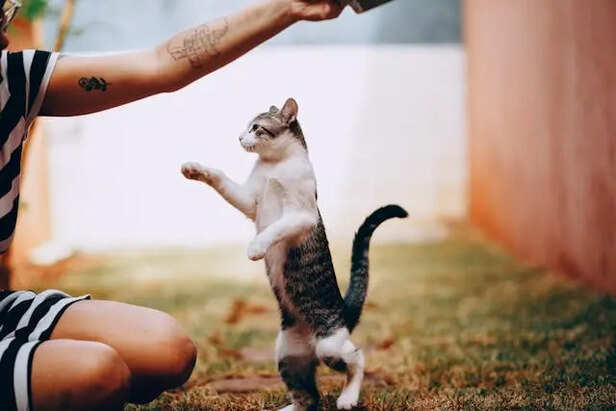
Good training is about clarity, patience, and consistency. Small changes in your approach can lead to better results:
- Use simple and clear commands
- Reward good behavior
- Keep sessions short and positive
- Be consistent every day
Your pet is not trying to be difficult. Most of the time, they are just trying to understand you. By avoiding common training mistakes and focusing on positive methods, you can build a stronger bond with your pet. With the right approach, training becomes easier, more effective, and enjoyable for both you and your furry companion.
Celebrate the bond with your pets, explore Health & Nutrition, discover Breeds, master Training Tips, Behavior Decoder, and set out on exciting Travel Tails with Times Pets!