Air ambulance medics have called for UK doctors to be trained to work alongside armed police responding to a marauding terrorist attack to ensure victims get immediate life-saving care.
It follows concerns about the three-hour delay in paramedics reaching some victims of the 2017 attack on London Bridge and Borough Market as they were unable to enter the “hot zone” — where attackers may still be present.
A similar issue occurred on Sunday when terrorist Sudesh Amman was shot dead by armed police after attacking three people with a knife.
London Ambulance crews were on the scene in four minutes but said they were held back by police until they confirmed it was safe for them to approach patients.
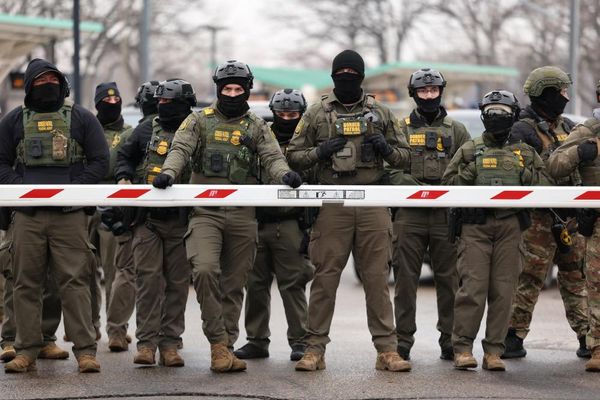
Doctors working for London’s Air Ambulance today said specially trained medics should be able to accompany armed officers to prevent victims dying in a “therapeutic vacuum”.
In an article in the British Medical Journal, they suggested the UK follows France, the US and Australia in having elite doctors embedded with armed police units and on call 24/7.
During the siege of the Bataclan concert hall in Paris in 2015, two doctors integrated with French counter-terrorism police were able to evacuate 100 casualties in 30 minutes — half an hour before the terrorists were killed.

A report into the 2017 London Bridge attacks, published last November by Judge Mark Lucraft, the chief coroner, said emergency services “performed well” and with bravery.
But he said the use of “hot zones”, which placed areas out of bounds to medics, was “inflexible” and “gave rise to a risk of delay in getting medical help to casualties”.
Dr Claire Park, an air ambulance doctor and adviser to the Met, told the Standard: “This was a problem before the chief coroner made his recommendations.
"It’s the police who lead in the hot zone. Being part of the police response means we would be under their command.”
The article, written with LAA’s current and former medical directors Gareth Grier and Gareth Davies, and experts in France, the US and Australia, said: “The dying process does not wait for a warm or cold zone to be in place or for the threat to be completely suppressed.”

A warm zone is where there are no attackers and a threat remains, but medics can enter under armed guard. A cold zone is where no known threat exists.
Dr Park said: “The things that kill people kill people in five, 10, 15 minutes, not three or four hours. We know that [medical aid] needs to be done more quickly. We would never be able to do it if we didn’t have the appropriate tactical training.”
All eight victims of London Bridge and Borough Market died within 15 minutes, Judge Lucraft said.