Returning to London from Kent on Sunday evening, my wife and I were suddenly aware of groups of people, some sitting in deckchairs, on the bridges over the A20, which links the capital with the south coast. "I bet it's that Cannonball fancy car race," I said.
I was wrong. It was actually that Gumball fancy car race. The Cannonball is the 1980s Hollywood version, whereas the Gumball is a real-life, daft-named dash across a number of countries, all in aid of ... well, not much other than allowing, I guess, some wealthy car fanatics to live a dream.
So it wasn't long before a procession of Ferraris, Maseratis and even a silver Lamborghini swept past on their way from central London to the continent.
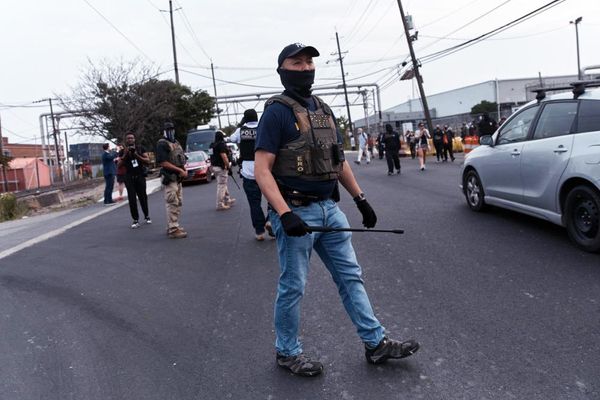
Actually, swept isn't the word; they looked more like a plane taxiing at an airport. Here were cars designed to achieve speeds of around 200mph effectively shackled in a 40mph speed zone. And there were enough police around to make sure they stuck to 40mph. But perhaps not for very long.
Then events turned tragic. A Macedonian motorist died after his vehicle collided with a Porsche 911 taking part in the Gumball, causing the rally to be called off.
In a statement, the organiser, Maximilian Cooper, said he was "very saddened" by the accident - the first of its kind in the nine-year history of the event.
It has been bad for companies linked to the rally, too.
Even before the death, the Gumball didn't appear to retain much of the sense of fun and freedom encapsulated by Burt Reynolds in the original films. Some cars were seized in Holland, where street racing is banned, and German police took an even tougher view.
Following events in Macedonia, police are sure to clamp down on any future Gumball. Plenty will say it was - literally - an accident waiting to happen. Maybe they should stick to the track.