Traditional methods for producing kawara roof tiles are increasingly being applied to daily goods such as tableware and small decorative items.
Users can enjoy the natural texture of clay, and these items are good for decorating dining tables, giving them a modern Japanese ambiance. However, it is also necessary to pay special attention to their maintenance.
Kawara are generally produced in the following way: Clay is poured into a mold to be shaped, then dried and baked to solidify it at temperatures of 1,000 C or higher. Depending on their production areas and methods, kawara have different characteristics. They are divided into two types: tokigawara (pottery-like kawara), which is given various colors as it is glazed, and ibushigawara, which is finished into a color of oxidized silver without using glazes.
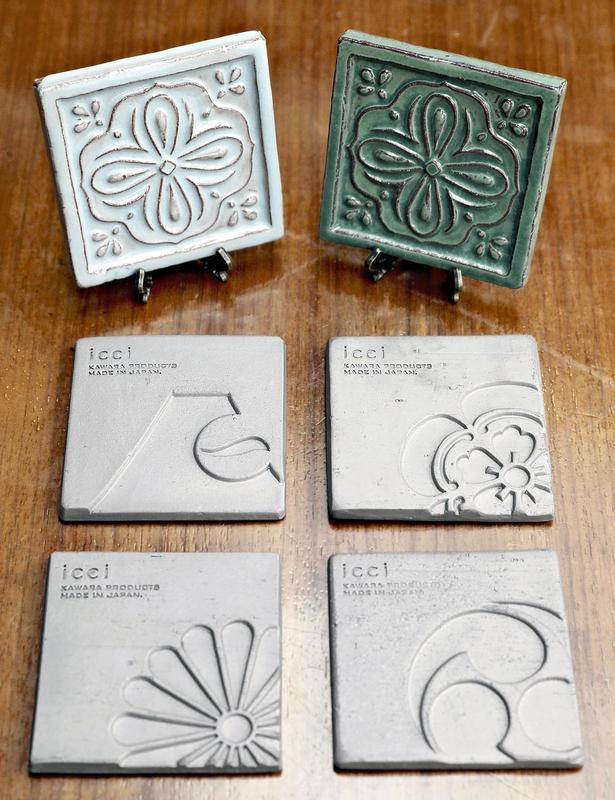
Yasuhiro Ichinose, 41, an accredited roof tile technician, affixes kawara roof tiles to houses. At his own home, Ichinose uses various daily goods that were made with kawara techniques.
"Demand for kawara roof tiles has been shrinking, but kawara designs have diversified in recent years. Use of kawara products has been expanding into tableware and decorative items," Ichinose said.
Such products are shaped differently than conventional roof tiles, but the production methods are the same.
Products made with the traditional ibushigawara method have a sophisticated appearance and go well with Western-style living spaces, according to Ichinose.
Ichinose is president of Ichinose Kawara Kogyo, a roof-tiling company in Fuefuki, Yamanashi Prefecture. In 2016, the company established a brand of household goods called icci KAWARA PRODUCTS. The brand's goods are made with the ibushigawara method.
The brand offers about 25 items, including tableware, bowls and trays, which passed screenings for heat resistance and food sanitation. Some of them are being used as dishes in a French restaurant, Ichinose said.
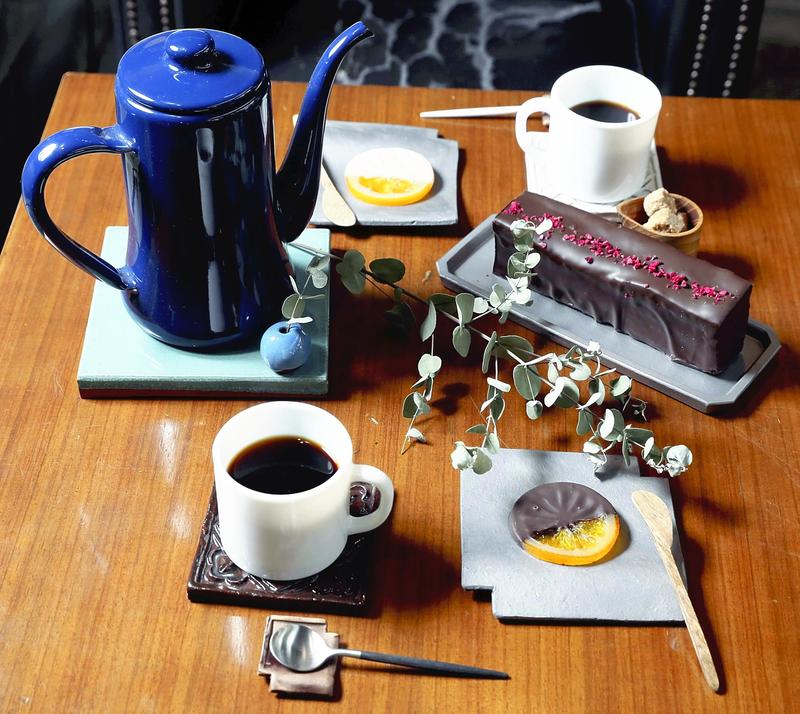
"With a little effort in the combination of items, you can create a modern Japanese atmosphere on the dining table," Ichinose said.
For a cafe-like setting, Ichinose suggested small kawara dishes and coasters featuring family emblems, on which he placed cakes and pottery mugs. The products go well with a wooden table, creating a relaxed atmosphere.
"You can feel a sense of nature from kawara, and they go well with wood and pottery. They balance well with other items," he said.
Dishes and trays made of tokigawara materials featuring colors, such as vivid blue-green and brown, will provide additional decoration to a dining table.
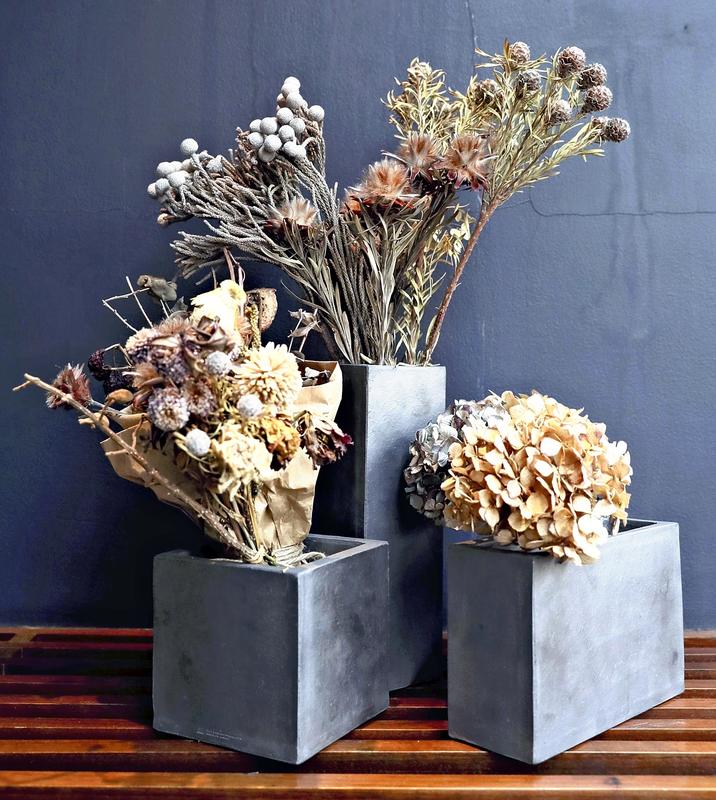
Kawara vases holding dried flowers are also charming. Users should be careful about putting water in the vases because it may seep out.
"After many years, users will be able to enjoy changes in their appearance, as if they were vintage items," Ichinose said. However, care must be taken regarding maintenance.
Kawara materials are easily cracked and stained with fingerprints or oil. Placement is also important, because they could break if dropped on the floor.
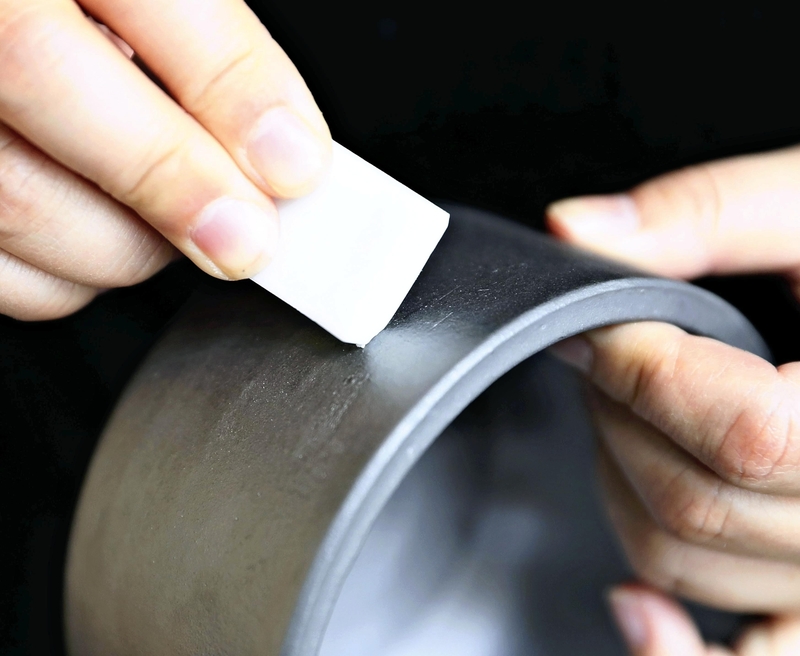
If the products are stained, wipe them softly using a sponge and neutral kitchen detergents. Don't use a scrub brush, as that could scratch their surfaces.
Regular rubber erasers can also be used to easily remove stains.
Pop objects
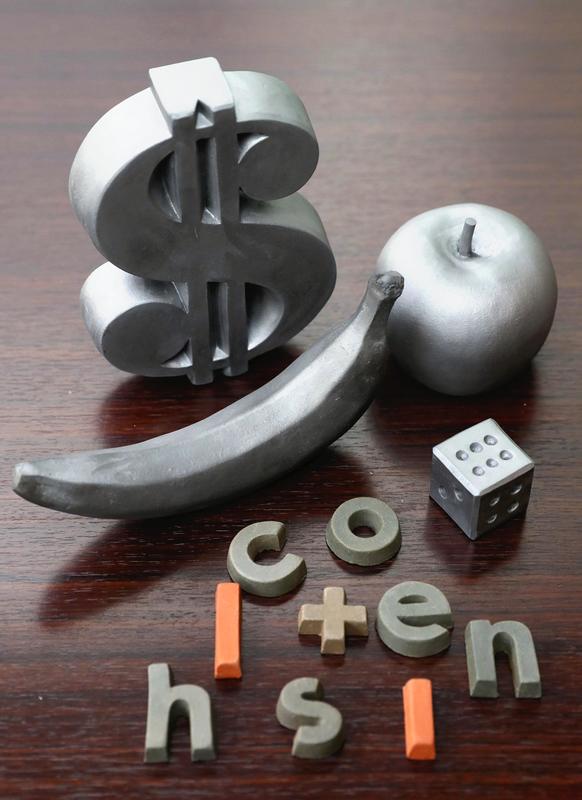
Some products made with kawara materials can be used as casual interior goods. They come in various unique shapes, such as a bananas, apples, letters of the alphabet, dice and a dollar sign.
Their image is completely different from kawara roof tiles, and they will beautifully decorate living rooms and other places.
Read more from The Japan News at https://japannews.yomiuri.co.jp/