Regional folk toys and crafts -- such as carved wooden bears, manekineko beckoning cats, daruma dolls and akabeko hariko papier-mache cows -- are being reevaluated as items through which to appreciate traditional culture.
There is something comforting about such toys, which retain traces from old times, even when they have been given a contemporary twist.
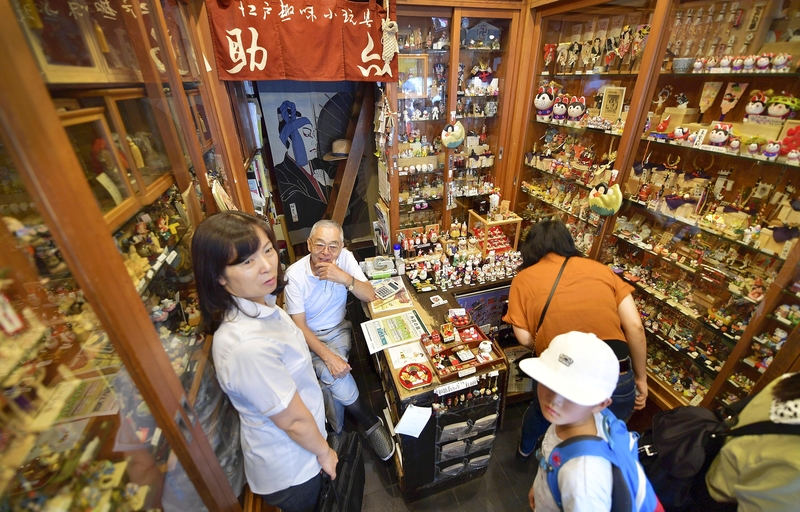
Sukeroku, on the Nakamise-dori shopping street in the Asakusa district of Taito Ward, Tokyo, is a store specializing in regional folk toys popular in the Edo period (1603-1867).
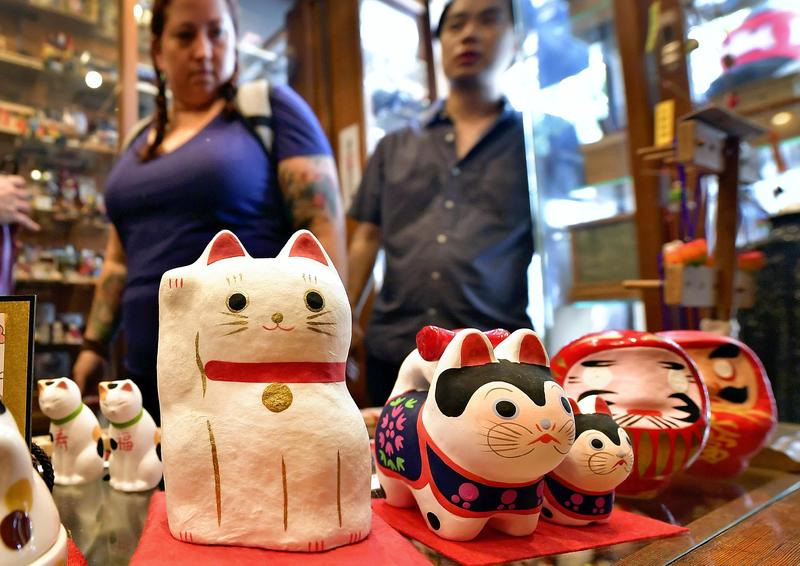
The shelves of the shop are filled with small but precisely crafted toys, including figurines of red-eared owls and tanuki raccoon dogs holding abacuses, made from such materials as paper, wood and clay.
Hideto Ikeda, 9, from Kobe, said the toys surprised him: "They are better made than toys today. They feel nice, too."
"Precisely because we are in an age when the same goods can be bought everywhere, I want to stick to products full of wisdom and effort passed down since long ago," said Yoshitaka Kimura, 82, the store's fifth-generation owner.
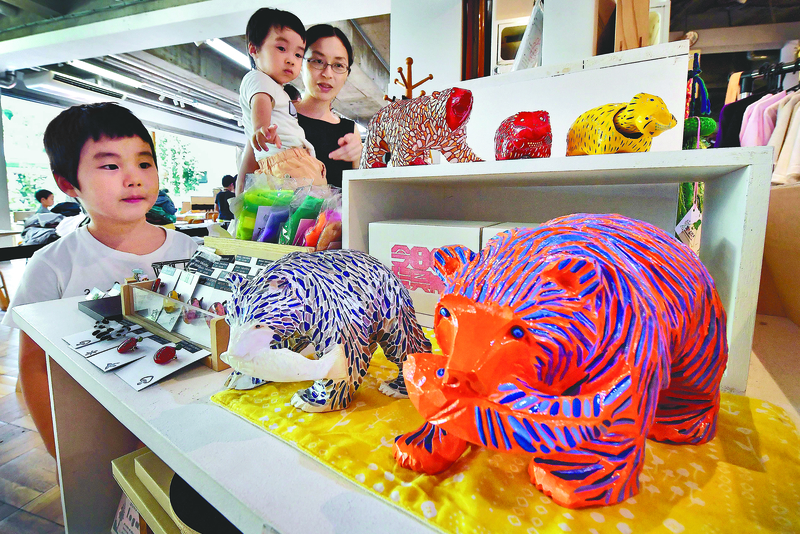
At cultural facility 3331 Arts Chiyoda in Chiyoda Ward, Tokyo, colorful carved wooden bears are on display. Craftsman Go Watabe, 40, buys carved bears secondhand or through online auctions and paints them.
Their combination of nostalgic and modern tastes has been praised. There are some people who ask him to paint their own wooden bears.
Such toys and regional folk crafts have been imbued since long ago with the passion of craftspeople and the joy of families.
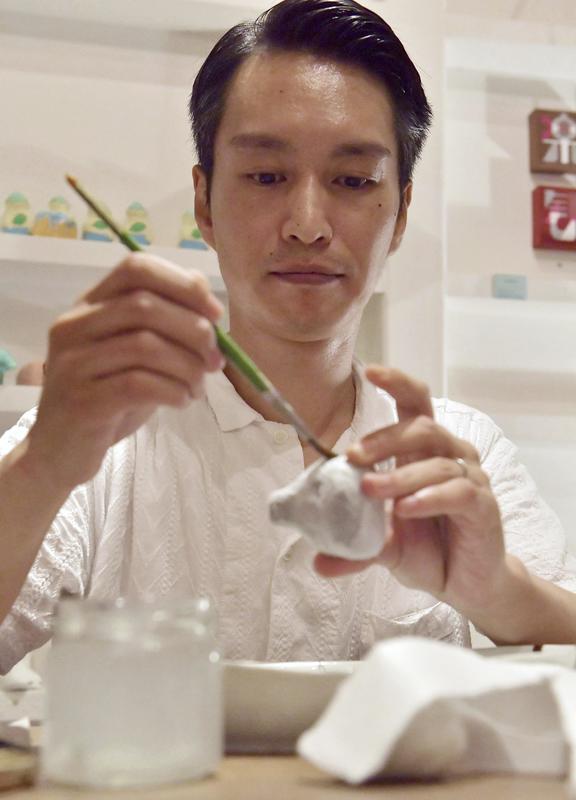
"It's important for us to create objects that convey warmth and hope when people hold them in their hands, even when the designs of such items change over time," said Watanabe.
Read more from The Japan News at https://japannews.yomiuri.co.jp/